If you’ve been trying to lose weight but feel stuck — maybe you’ve tried cutting carbs, skipping dinner, or surviving on salads — a 1500 calorie diet might be the reset you actually need.
It’s one of the most popular calorie targets for weight loss, and the best part? It works really well with Indian food. You don’t have to give up dal, roti, or rice. You just need to know how much to eat and when.
In this post, we’ll break down what a 1500 calorie Indian diet plan looks like day by day, share a 7-day sample meal plan, and explain how to make it actually work in real life.
What Is a 1500 Calorie Diet?
A 1500 calorie diet is exactly what it sounds like — you aim to eat around 1500 calories total per day. For most women with a moderate activity level, this creates a healthy calorie deficit, which means your body starts using stored fat for energy.
The key thing to understand here is that this isn’t about starving yourself. It’s about eating the right foods in the right portions so you stay satisfied, stay nourished, and lose weight gradually.
A good 1500 calorie Indian diet plan will include:
- Enough protein to maintain muscle
- Complex carbs from dal, roti, and rice for energy
- Healthy fats from nuts, seeds, and a little ghee
- Plenty of fiber from vegetables and fruits
- Good hydration throughout the day
Who Is a 1500 Calorie Meal Plan Good For?
A 1500 kcal diet tends to work well for:
- Women looking to lose weight gradually and sustainably
- People with a desk job or low to moderate activity levels
- Those managing PCOS, thyroid issues, or blood sugar concerns
- Anyone moving away from crash diets toward something more realistic
That said, it’s not a one-size-fits-all number. Men who are active, people with specific health conditions, or those with higher energy needs may need more. Before starting any structured plan, it’s worth checking in with a dietitian — especially if you have an existing health issue.
If you’re based in Chennai and want a proper assessment, you can consult Dietitian Richa online for a plan built around your specific lifestyle and goals.
How to Split 1500 Calories Across the Day
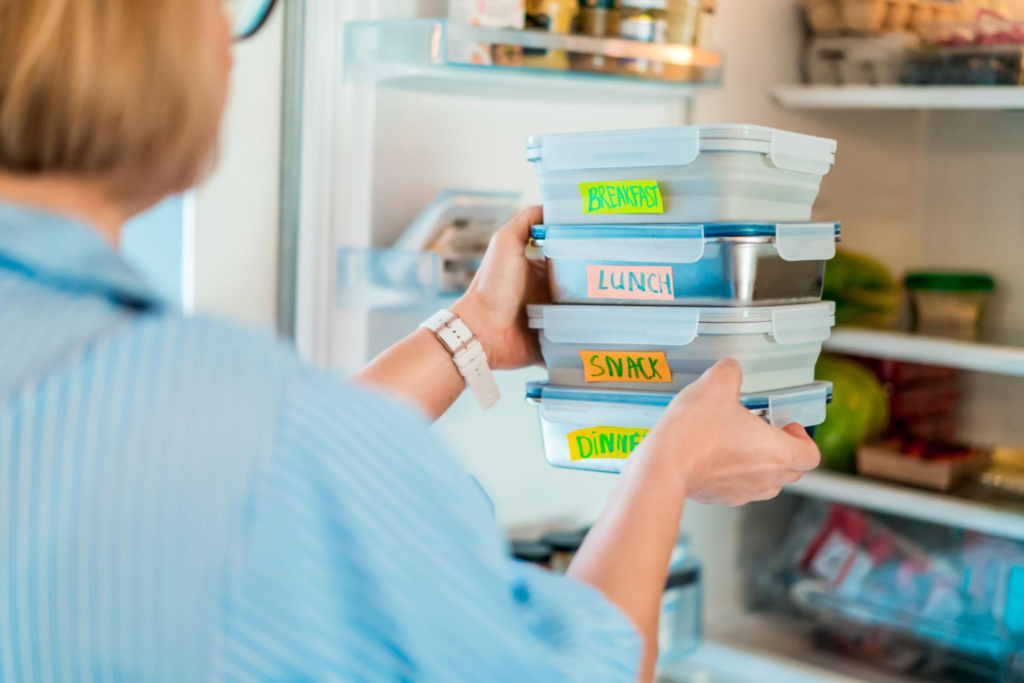
The way you distribute your meals matters just as much as the total calories. Skipping meals or eating most of your calories at night makes weight loss harder, even if the total is right.
Here’s a simple way to break it down:
- Early morning (6–7 AM): 100–150 calories
- Breakfast (8–9 AM): 300–350 calories
- Mid-morning snack (11 AM): 100–150 calories
- Lunch (1–2 PM): 400–450 calories
- Evening snack (5 PM): 100–150 calories
- Dinner (7:30–8:30 PM): 300–350 calories
This keeps your energy steady throughout the day and stops you from getting so hungry that you overeat at night.
7-Day 1500 Calorie Indian Diet Plan
This is a sample week based on everyday Indian food. It’s not a prescription — it’s a starting point to show you what balanced eating at 1500 calories can look like.
Day 1
- Early morning: Warm lemon water
- Breakfast: 2 moong dal chillas + small bowl mint chutney
- Mid-morning: 1 small apple
- Lunch: 1 cup brown rice + 1 cup dal + sabzi + salad
- Evening: Green tea + handful of roasted makhana
- Dinner: 2 multigrain rotis + paneer sabzi + cucumber raita
Day 2
- Early morning: Jeera water
- Breakfast: Oats upma with vegetables + 1 glass buttermilk
- Mid-morning: 1 small banana
- Lunch: 2 rotis + rajma curry + salad
- Evening: Black coffee + 2 rice cakes
- Dinner: Vegetable khichdi (1 bowl) + low-fat curd
Day 3
- Early morning: Warm water + 5 soaked almonds
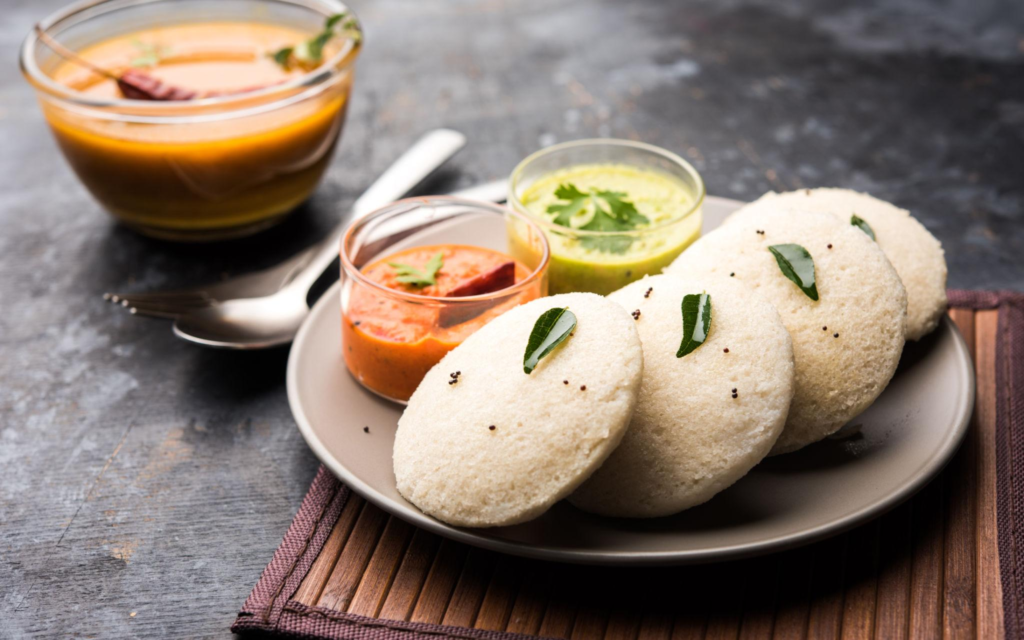
- Breakfast: 2 idlis + sambar + small coconut chutney
- Mid-morning: 1 small guava
- Lunch: 1 cup rice + fish curry (or chole if veg) + salad
- Evening: Herbal tea + small bowl sprouts
- Dinner: 2 rotis + mixed veg sabzi + dal
Day 4
- Early morning: Methi water
- Breakfast: Poha with vegetables + 1 glass low-fat milk
- Mid-morning: Coconut water
- Lunch: 1 cup brown rice + sambar + 1 boiled egg (optional) + salad
- Evening: Green tea + 5 walnuts
- Dinner: 2 rotis + palak dal + low-fat curd
Day 5
- Early morning: Warm ginger water
- Breakfast: 2 besan chillas + tomato chutney
- Mid-morning: 1 small orange
- Lunch: 2 rotis + mixed dal + gobi sabzi + salad
- Evening: Buttermilk + small handful roasted peanuts
- Dinner: Vegetable daliya (1 bowl) + low-fat curd
Day 6
- Early morning: Warm lemon water
- Breakfast: 1 plain dosa + sambar
- Mid-morning: 1 small pear
- Lunch: 1 cup rice + chicken curry (or rajma if veg) + salad
- Evening: Green tea + 1 multigrain rusk
- Dinner: 2 rotis + paneer bhurji + cucumber raita
Day 7
- Early morning: Chia seeds water
- Breakfast: Vegetable upma + 1 glass buttermilk
- Mid-morning: 1 cup papaya
- Lunch: 2 rotis + dal tadka + salad
- Evening: Herbal tea + handful of makhana
- Dinner: Brown rice khichdi + 1 cup curd
Practical Tips to Make This Diet Actually Work
Reading a meal plan is easy. Sticking to it in real life is the hard part. Here are a few things that genuinely help:
Don’t skip breakfast. It’s the one meal most people think they can skip to save calories. But skipping it usually leads to overeating later. Eating a decent breakfast actually makes the rest of the day easier to manage.
Cook at home as much as possible. Restaurant food — even the healthy-looking stuff — is often loaded with hidden oil, salt, and calories. When you cook at home, you control exactly what goes in.
Watch your cooking oil. This is one of the easiest places to accidentally go over your calorie limit. Aim for no more than 3–4 teaspoons per day. Use a non-stick pan and measure your oil instead of pouring it from the bottle.
Drink enough water. Aim for 8–10 glasses a day. Hunger and thirst can feel very similar, and sometimes a glass of water is all you need to stop a craving in its tracks.
Don’t trust “diet” packaging. A lot of products labeled low-fat or diet-friendly are loaded with sugar or refined flour. Whole, home-cooked food will always win over packaged diet snacks.
Be consistent, not perfect. One heavy lunch with the family on a Sunday won’t ruin your progress. What matters is your pattern over weeks and months — not a single meal.
Foods to Eat More Of
Carbs: Brown rice, oats, daliya, jowar, bajra, whole wheat rotis, sweet potato, rajma, dal
Protein: Moong dal, masoor dal, chana, paneer (moderate), curd, eggs, chicken breast, fish
Fats: Almonds, walnuts, peanuts, chia seeds, flaxseeds, 1 tsp ghee per day (no need to cut it completely)
Vegetables: Spinach, methi, lauki, tinda, karela, capsicum, cabbage, cauliflower, cucumber
Fruits: Guava, papaya, apple, pear, orange, watermelon — eat the whole fruit, not the juice
Foods to Limit
- Fried snacks: samosa, vada, pakoda
- Maida-based items: white bread, biscuits, namkeen, puri
- Sugary drinks: packaged juice, cola, chai with excess sugar
- Full-fat dairy in large amounts: cream, processed cheese
- Indian sweets and desserts on a daily basis
You don’t have to eliminate these forever. Just keep them occasional rather than everyday.
Will 1500 Calories Actually Be Enough?
This is the question most people have. Honestly — yes, for most people, it is enough. The reason people feel hungry on low-calorie diets is usually because the food choices are wrong, not because the calories are too low.
1500 calories of dal, sabzi, roti, fruit, and protein-rich food keeps most people feeling full and satisfied. 1500 calories of biscuits, chai, and fried snacks leaves you hungry in an hour.
The quality of your food is just as important as the quantity.
Why Generic Plans Don’t Always Work
A meal plan from the internet gives you a starting point. But it doesn’t know your sleep schedule, your cooking habits, your cravings, your blood reports, or whether you’re dealing with something like PCOS, thyroid issues, or blood sugar concerns.
A good dietitian takes all of that into account. They build a plan that works for your body, your routine, and your food preferences — not someone else’s.
If you’re in Chennai and ready to get a proper personalized plan, Dietitian Richa offers online consultations with meal plans designed specifically for you.
Frequently Asked Questions
Can I follow a 1500 calorie diet if I have PCOS?
Yes, but the plan needs to be structured carefully. PCOS affects how your body manages blood sugar and hormones, so the carb-protein balance matters a lot. A generic plan may not account for this. It’s best to work with a PCOS dietitian for personalized guidance.
Will I definitely lose weight on 1500 calories?
For most people whose maintenance calories fall between 1800–2200, yes. You’ll typically lose 0.5–1 kg per week, which is a healthy and sustainable pace. Results depend on consistency, activity level, and food quality.
Can I eat rice on this diet?
Yes. About 1 cup of cooked rice at lunch fits perfectly within a 1500 calorie plan. Brown rice has more fiber and keeps you fuller longer, but white rice in the right portion is fine too.
Is 1500 calories too low for men?
It can be. Most active men need 2000–2500 calories to maintain weight, so a bigger deficit makes more sense. If you’re male, consult a dietitian to figure out the right number for your body.
How do I track calories in Indian food?
Use measuring cups for rice, dal, and rotis. Measure your cooking oil (each teaspoon is about 40 calories). A food tracking app can help in the beginning until you get a feel for portions. Over time, it becomes second nature.
Ready to Start?
A 1500 calorie Indian diet plan doesn’t have to mean giving up good food or feeling hungry all day. When it’s built around real meals — dal, sabzi, roti, fruit, curd — it’s something you can actually stick to.
If you want a plan that’s made for your body and your lifestyle, reach out to Dietitian Richa. Online consultations are available, and every plan is personalized to your goals, health history, and food preferences.
Better food. Better health. Better life.