You’ve been eating less. Skipping dinner. Cutting rice. Yet the scale barely moves.
Here’s what most people get wrong about weight loss — it’s not just about eating fewer calories. It’s about eating the right nutrients. And in most Indian diets, one nutrient is almost always missing in the right amounts: protein.
If your meals are mostly roti, rice, dal, and sabzi, you’re probably getting 40–50g of protein per day. But for effective, sustainable weight loss, most adults need anywhere between 60–100g of protein daily depending on their body weight.
That gap? That’s why you feel hungry two hours after lunch. That’s why you lose weight and then gain it all back. And that’s exactly what this 7-day high-protein diet plan for weight loss is designed to fix — using everyday Indian food you already love.
No supplements. No exotic ingredients. Just real food, planned smartly.
Why Protein Is the Most Important Nutrient for Weight Loss
Before we get to the meal plan, let’s quickly understand why a high protein diet plan for weight loss works so well.
1. It keeps you full longer
Protein takes longer to digest than carbs or fat. When you eat a protein-rich breakfast, you’re less likely to reach for a biscuit or samosa by 11 AM.
2. It protects your muscle mass
When you cut calories, your body can start breaking down muscle for energy. Protein prevents this. More muscle means a faster metabolism, which means more fat burning — even at rest.
3. It boosts calorie burning
Your body burns more calories digesting protein than it does digesting carbs or fat. This is called the thermic effect of food. It’s not dramatic, but it adds up.
4. It reduces cravings
Protein helps regulate hunger hormones like ghrelin. Less hunger = fewer impulsive food choices = more consistent weight loss.
How Much Protein Do You Need Per Day for Weight Loss?
This is one of the most common questions — and a very fair one.
The general guideline for how much protein per day for weight loss is:
- 0.8–1g of protein per kg of body weight if you’re relatively inactive
- 1–1.2g of protein per kg of body weight if you’re moderately active (walking, light exercise)
- 1.2–1.5g of protein per kg of body weight if you exercise regularly
So if you weigh 65 kg and take light walks, you need roughly 65–80g of protein per day.
Most people on a standard Indian diet are getting far less than this. The good news? With a little planning, you can easily hit your protein target without switching to a completely different cuisine.
Best High-Protein Indian Foods for Weight Loss
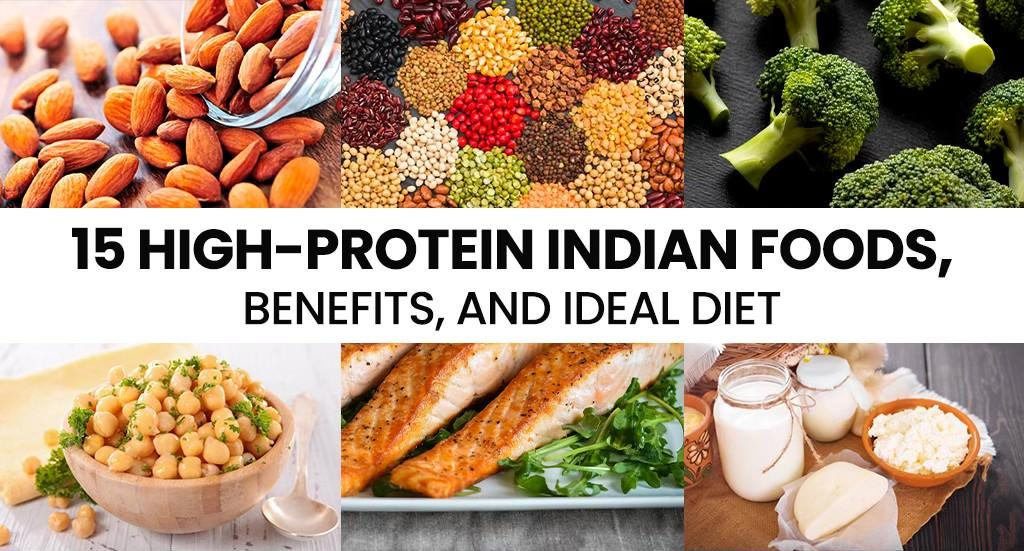
Here are the best high-protein Indian foods for weight loss that you can easily include in your daily meals:
| Food | Protein (per 100g / serving) |
| Paneer | 18g per 100g |
| Soya chunks | 52g per 100g (dry) |
| Moong dal (cooked) | 7g per 100g |
| Chana dal (cooked) | 8g per 100g |
| Rajma (cooked) | 9g per 100g |
| Chickpeas / Chole (cooked) | 9g per 100g |
| Eggs | 13g per 100g |
| Low-fat curd / Greek yogurt | 6–10g per 100g |
| Tofu | 8g per 100g |
| Chicken breast (cooked) | 31g per 100g |
| Fish (rohu / pomfret) | 18–20g per 100g |
| Sprouts (mixed) | 4–6g per 100g |
| Skimmed milk | 3.5g per 100ml |
For a protein-rich vegetarian diet, the best combination is dal + paneer + curd + sprouts spread across your meals. You don’t need all of them at once — just make sure each meal has at least one protein source.
7-Day High-Protein Indian Diet Plan for Weight Loss
This protein diet chart for weight loss is built around Indian kitchen staples. Each day provides approximately 1,400–1,600 calories and 70–90g of protein, which is suitable for most women looking to lose weight. Men or more active individuals may need to increase portion sizes.
A few things to remember before you start:
- Drink 2.5–3 liters of water daily
- Have your meals at roughly the same time each day
- Don’t skip meals — spacing protein intake across the day works better than eating it all at once
- Adjust portion sizes based on your hunger and energy levels
Day 1 — Monday
Early morning (6:30–7 AM)
Warm lemon water with a pinch of jeera powder
Breakfast (8–9 AM)
2 moong dal chillas + 2 tbsp mint-coriander chutney + 1 small bowl low-fat curd
(~22g protein)
Mid-morning snack (11 AM)
1 small apple or pear
Lunch (1–2 PM)
1 cup cooked rajma curry + 1 cup brown rice + cucumber-tomato salad + 1 small bowl curd
(~20g protein)
Evening snack (5 PM)
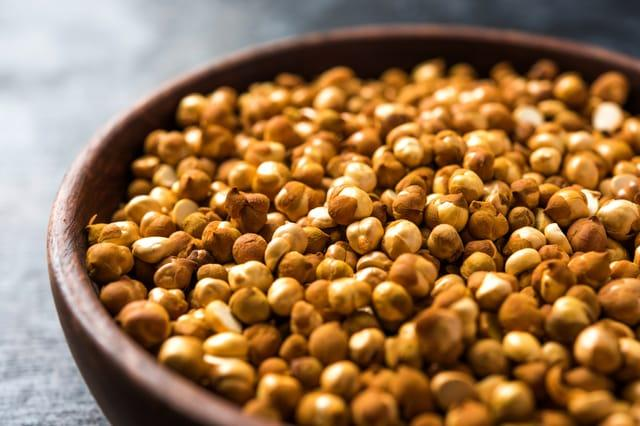
Handful of roasted chana (30g) + 1 cup green tea
Dinner (7:30–8 PM)
2 multigrain rotis + 100g paneer bhurji (made with minimal oil) + 1 cup mixed vegetable sabzi
(~22g protein)
Daily protein total: ~68–72g
Day 2 — Tuesday
Early morning
Jeera water or warm water with apple cider vinegar (diluted)
Breakfast
1 bowl oats upma with vegetables (peas, carrots, beans) + 1 boiled egg (non-veg) or 2 tbsp roasted peanuts (veg) + 1 glass buttermilk
(~18–20g protein)
Mid-morning snack
A small handful of mixed nuts (almonds + walnuts, 20g)
Lunch
2 jowar or wheat rotis + 1 cup chana dal + sautéed spinach sabzi + salad
(~22g protein)
Evening snack
1 cup low-fat Greek yogurt with a sprinkle of flaxseeds
Dinner
1 bowl vegetable khichdi (made with moong dal + rice in 2:1 ratio) + 1 cup curd
(~18g protein)
Daily protein total: ~72–76g
Day 3 — Wednesday
Early morning
Warm water with a few soaked methi seeds
Breakfast
2 besan (gram flour) chillas stuffed with paneer and vegetables + green chutney
(~24g protein)
Mid-morning snack
1 banana or seasonal fruit
Lunch
1 cup cooked chole + 1 cup brown rice or 2 rotis + onion-tomato salad + buttermilk
(~20g protein)
Evening snack
Roasted makhana (1 cup) + 1 cup green tea
Dinner
100g grilled or pan-cooked tofu with spices + 2 rotis + cucumber raita
(~20g protein)
Daily protein total: ~72–75g
Day 4 — Thursday
Early morning
Warm lemon water
Breakfast
1 bowl sprouted moong salad (tossed with lemon, jeera, and chopped veggies) + 2 boiled eggs (non-veg) or 1 cup low-fat curd with a sprinkle of chia seeds (veg)
(~20–22g protein)
Mid-morning snack
1 small pear or orange
Lunch
2 rotis + 1 cup dal makhani (light version, less cream) + sautéed bhindi or lauki + salad
(~20g protein)
Evening snack
1 cup masala chaas (buttermilk) + 2 rice cakes or a handful of roasted chana
Dinner
1 cup soya chunks curry (matar-soya) + 2 rotis + 1 small bowl low-fat curd
(~28g protein)
Daily protein total: ~80–84g (highest protein day of the week — great mid-week boost)
Day 5 — Friday
Early morning
Warm water with a pinch of turmeric and black pepper
Breakfast
1 bowl moong dal dosa (2 dosas) with sambar (protein-rich version with lots of dal) + coconut chutney
(~18g protein)
Mid-morning snack
Greek yogurt (100g) with chopped fruit
Lunch
1 cup rajma or kidney bean curry + 1 cup cooked millets (bajra or jowar) + mixed salad
(~22g protein)
Evening snack
Handful of peanuts (30g) + 1 cup green tea or black coffee
Dinner
2 egg bhurji (non-veg) or paneer scramble (veg) + 2 multigrain rotis + sautéed seasonal vegetable
(~22g protein)
Daily protein total: ~70–74g
Day 6 — Saturday
Early morning
Jeera water
Breakfast
1 cup high-protein poha (regular poha + 2 tbsp roasted peanuts + 50g crumbled paneer) + 1 glass buttermilk
(~20g protein)
Mid-morning snack
1 small apple with 1 tbsp peanut butter
Lunch
2 rotis + 1 cup mixed dal (toor + moong combination) + vegetable sabzi + curd
(~20g protein)
Evening snack
Roasted chana + a cup of masala chai (without sugar or with jaggery in small amount)
Dinner
1 bowl palak paneer (light) + 2 rotis or 1 small cup rice
(~22g protein)
Daily protein total: ~72–76g
Day 7 — Sunday
Early morning
Warm lemon water
Breakfast
3-egg veggie omelette (non-veg) or 2 moong dal chillas + 1 bowl Greek yogurt (veg) + 1 slice multigrain toast
(~24g protein)
Mid-morning snack
A handful of mixed nuts + 1 cup green tea
Lunch
1 cup chole (chickpea curry) + 2 rotis or 1 cup brown rice + onion-tomato salad + 1 small bowl curd
(~22g protein)
Evening snack
1 cup low-fat Greek yogurt with roasted seeds (sunflower or pumpkin)
Dinner
1 cup dal tadka + 1 cup vegetable pulao (brown rice or millets) + salad
(~20g protein)
Daily protein total: ~74–78g
Quick Protein-Rich Indian Diet Chart Summary
| Day | Breakfast Highlight | Lunch Highlight | Dinner Highlight | Est. Protein |
| Monday | Moong dal chilla + curd | Rajma + brown rice | Paneer bhurji + roti | 68–72g |
| Tuesday | Oats upma + egg/peanuts | Chana dal + jowar roti | Moong dal khichdi | 72–76g |
| Wednesday | Besan chilla + paneer | Chole + brown rice | Tofu + roti | 72–75g |
| Thursday | Sprouted moong + egg/curd | Dal makhani + roti | Soya chunks curry | 80–84g |
| Friday | Moong dal dosa + sambar | Rajma + millets | Egg/paneer bhurji | 70–74g |
| Saturday | High-protein poha | Mixed dal + roti | Palak paneer + roti | 72–76g |
| Sunday | Veggie omelette / chilla | Chole + brown rice | Dal tadka + pulao | 74–78g |
Tips to Make This High-Protein Diet Plan Work
1. Always have a protein source at every meal
Don’t let any meal go by without dal, curd, paneer, sprouts, egg, or a legume of some kind. This is the single most effective habit you can build.
2. Don’t fear fat — fear skipping protein
Healthy fats from a little ghee, nuts, or seeds are fine. The bigger problem in most Indian diets is too little protein, not a little fat.
3. Watch your cooking oil
You can eat paneer, dal, and rajma every day, but if everything is swimming in oil, the calories will creep up. Use 1–2 tsp of oil per meal.
4. Add sprouts wherever you can
Sprouts are one of the easiest, cheapest ways to add protein to any meal — scatter them into poha, upma, salads, or even chaat.
5. Eat dinner before 8 PM
Your body processes nutrients better earlier in the evening. A late, heavy dinner — even a healthy one — can slow down weight loss.
6. Don’t rely only on dal for protein
Dal is wonderful, but it alone won’t get you to your protein target. Combine it with paneer, curd, or legumes at the same meal.
What About a Protein-Rich Vegetarian Diet?
Absolutely possible. A protein-rich Indian diet for vegetarians just requires a little more thought, since you’re skipping eggs, chicken, and fish.
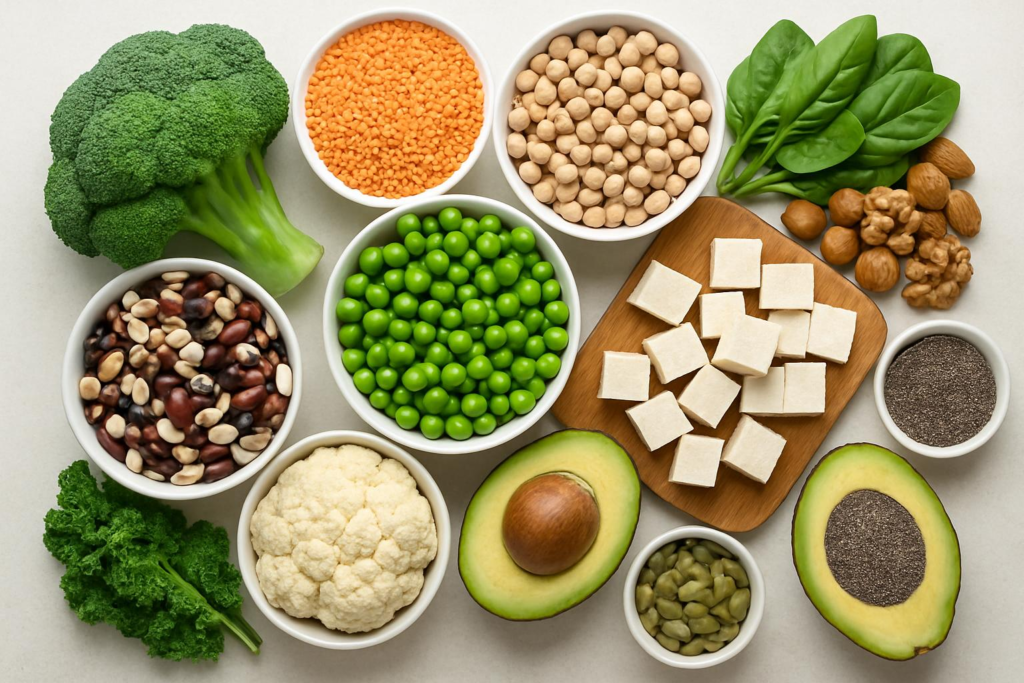
Your best vegetarian protein friends are:
- Soya chunks (the highest plant protein source available in Indian kitchens)
- Paneer (versatile and filling)
- All types of dal and legumes (toor, moong, masoor, chana, rajma, chole)
- Greek yogurt / hung curd
- Tofu
- Sprouts (especially moong and chana sprouts)
- Peanuts and peanut butter
- Milk and low-fat chaas / buttermilk
If you’re vegetarian, aim to have at least two protein sources at every meal rather than relying on just one. For example, dal + curd at lunch, or paneer + moong sprouts at dinner.
Common Mistakes to Avoid on a High-Protein Diet
Relying only on protein powder
Whole foods are almost always better than supplements. Unless your dietitian specifically recommends it, try to meet your protein needs through food first.
Eating the same two foods every day
Paneer at lunch and paneer at dinner, every single day. This leads to boredom and nutritional gaps. Rotate your protein sources across the week.
Forgetting fiber
High protein + low fiber = constipation and bloating. Always pair your protein with vegetables, salads, and whole grains. The meal plans above are designed with this in mind.
Going too low on carbs
This is not a low-carb diet. You still need roti, rice, and dal for energy and fiber. The goal is to add protein, not to slash carbs dramatically.
Skipping meals to “save” calories
Skipping lunch and then overeating at dinner is one of the most common patterns that makes weight loss harder. Spread your food — and your protein — across the day.
How Long Does It Take to See Results?
Most people notice reduced hunger and more steady energy within the first 3–5 days of increasing protein. Weight loss results typically become visible within 2–4 weeks, depending on your starting point, activity level, and consistency.
Sustainable weight loss is 0.5–1 kg per week. If you’re losing faster than that, you may be losing muscle too — which slows your metabolism over time.
Should You Follow This Plan Exactly?
This plan is a starting point, not a prescription. Everyone’s body, lifestyle, and health history is different. Some people may need fewer calories, others may need more. If you have PCOS, thyroid issues, diabetes, or any other health condition, your protein needs and food choices may look a little different.
For a plan that’s built specifically around your body and your goals, it’s always worth speaking with a qualified dietitian.
Final Thoughts
A high-protein diet plan for weight loss doesn’t mean eating boring food or giving up Indian meals. It simply means being a little more intentional about including protein at every meal — and letting that one change do a lot of the heavy lifting for you.
Dal, paneer, chole, rajma, soya, eggs — you already know these foods. This plan just helps you use them better.
Try this 7-day plan, see how you feel, and use it as a template to build habits that actually last.
Dt. Richa Doshi is a certified clinical dietitian and nutritionist based in Mumbai with 13+ years of experience. She specializes in sustainable weight loss, PCOS, diabetes, and thyroid care. If you’d like a personalized diet plan built around your lifestyle, book a consultation with Dt. Richa today.