If you’ve been Googling “PCOS dietician Mumbai” at midnight, chances are you’re tired. Tired of irregular periods, unpredictable weight gain, acne that won’t quit, and advice that never seems to work for your body specifically. You’re not alone — PCOS (Polycystic Ovary Syndrome) affects a large number of women in India, and Mumbai’s fast-paced lifestyle, erratic meal timings, and stress levels don’t exactly make things easier.
The good news? PCOS is manageable. Not with fad diets or extreme restrictions, but with a consistent, personalized PCOS diet plan that actually understands how your hormones work.
Why a Generic Diet Doesn’t Work for PCOS

PCOS isn’t just about weight. It’s a hormonal and metabolic condition, which means insulin resistance, inflammation, and blood sugar swings are often at the root of the symptoms you’re dealing with. A regular weight-loss diet plan usually ignores this completely.
This is why so many women try diet after diet, lose a little weight, and then plateau — or feel more exhausted and irritable than before. A proper PCOS nutrition plan is built around balancing hormones first; weight management follows naturally after that.
What Does a Good PCOS Diet Chart Look Like?
A well-designed PCOS diet chart isn’t about cutting out entire food groups. It’s about timing, balance, and choosing the right kind of carbs, fats, and proteins. Here’s a simple framework most effective PCOS diet plans follow:
Morning:
- A protein-rich breakfast (eggs, moong chilla, paneer, or Greek yogurt) instead of just tea and biscuits
- This helps stabilize blood sugar for the rest of the day
Mid-morning:
- A handful of nuts or seeds (almonds, walnuts, flaxseeds, pumpkin seeds)
Lunch:
- Whole grains (millets, brown rice, quinoa) + dal or lean protein + a big portion of vegetables
- Healthy fats like ghee or olive oil in moderation
Evening snack:
- Roasted chana, sprouts, or a fruit with peanut butter
Dinner:
- Lighter than lunch, protein + vegetables, eaten earlier rather than late at night
Hydration & lifestyle:
- 2.5–3 litres of water
- Limiting late-night eating, which worsens insulin resistance
This is just a general outline — your actual PCOS diet plan should be customized based on your symptoms (whether it’s more insulin-resistant type, inflammatory type, or adrenal type PCOS), lifestyle, and food preferences.
Best Foods to Eat in PCOS
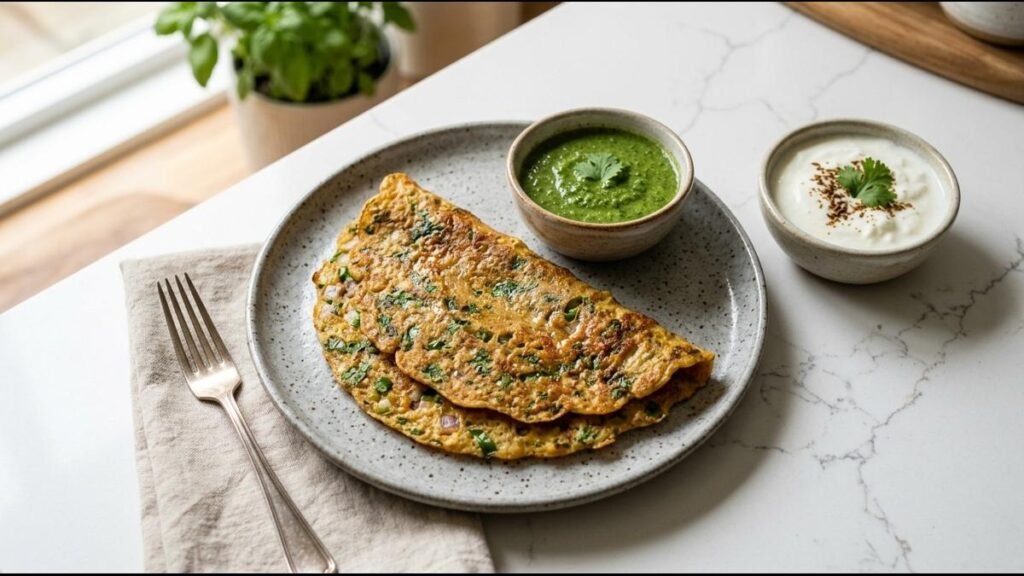
If you’re wondering exactly what food to eat in PCOS, focus on:
- Complex carbs: millets, oats, brown rice, whole wheat instead of refined flour and sugar
- Protein at every meal: eggs, paneer, tofu, dal, chicken, fish
- Healthy fats: nuts, seeds, avocado, ghee, olive oil
- Anti-inflammatory foods: turmeric, leafy greens, berries, green tea
- Fiber-rich vegetables: broccoli, cauliflower, spinach, beans
And foods to go easy on: refined sugar, maida-based products, deep-fried snacks, excess caffeine, and packaged juices — not because they’re “bad,” but because they spike insulin and worsen PCOS symptoms over time.
Why Work With a PCOS Dietician in Mumbai Instead of a Generic Plan

Mumbai life comes with its own challenges — long commutes, work stress, eating out often, and irregular sleep. A PCOS diet plan that doesn’t factor in your actual routine simply won’t be sustainable.
Working with a dietician who understands both PCOS and the Mumbai lifestyle means your plan is built around:
- Your work schedule and meal timings
- Local, easily available foods (not imported superfoods you can’t find)
- Your specific symptoms, not a one-size-fits-all template
- Realistic changes you can actually stick to long-term
Real, Sustainable Results Take a Personalized Approach
There’s no single “PCOS diet” that works for every woman, because no two hormonal profiles are the same. What works is a nutrition plan that’s built for you — your body, your routine, your symptoms — and adjusted as your body responds.
If you’re ready to stop guessing and start a PCOS diet plan that’s actually designed around you, get in touch with us for a personalized consultation. Small, consistent changes — guided the right way — can make a real difference in how you feel, day to day.
FAQs
1. How long does it take to see results with a PCOS diet plan?
Most women start noticing improvements in energy, bloating, and cravings within 4-6 weeks, while hormonal and cycle-related changes usually take 3 months or longer, since hormones respond gradually.
2. Can I manage PCOS with diet alone?
For many women, diet and lifestyle changes make a significant difference. Some may also need medical management alongside nutrition, which is why working with both a doctor and a dietician is often recommended.
3. Is intermittent fasting good for PCOS?
It depends on the individual. For some women with insulin resistance, structured eating windows help; for others, especially those with adrenal fatigue-type PCOS, prolonged fasting can backfire. This is best decided with personalized guidance.