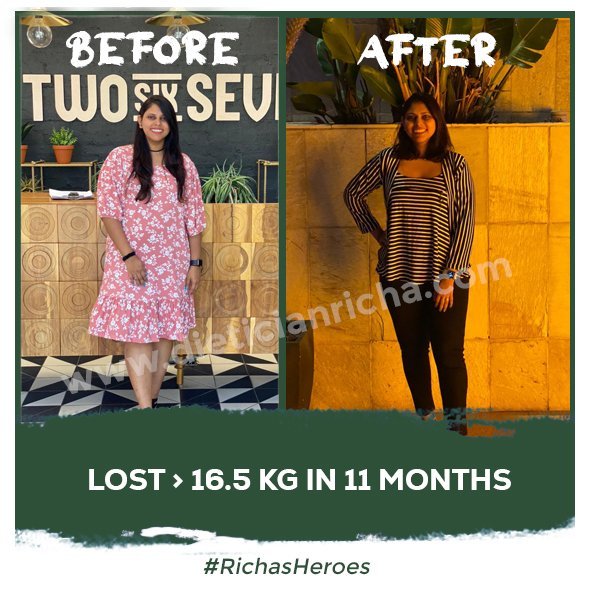

If you have been eating less but not losing weight, it can be frustrating. Many people assume that eating smaller portions or cutting out more foods will automatically lead to weight loss. However, weight management is influenced by several factors, and simply eating less is not always the best approach.
Your overall food intake, portion sizes, activity level, sleep, stress, medications, health conditions and consistency can all affect your weight-management journey.
Instead of continuously reducing your food, it can be more helpful to look at your overall diet and lifestyle.
Why Am I Not Losing Weight?
There can be several reasons why your weight may not be changing as expected. Here are some common factors to consider.
1. Your Diet May Not Be Balanced
Eating very small portions does not automatically mean that your diet is balanced.
If your meals do not provide enough protein, fibre and other essential nutrients, you may find it difficult to stay satisfied and consistent with your eating pattern.
A balanced meal can include appropriate amounts of:
- Protein
- Vegetables
- Fibre-rich foods
- Carbohydrates
- Healthy fats
Instead of focusing only on eating less, focus on the quality, balance and portions of your meals.
For example, a meal containing dal or paneer, vegetables, salad and an appropriate carbohydrate portion may be more balanced than simply eating a very small amount of food.
2. You May Be Underestimating Portions
Sometimes, people feel that they are eating very little but may not be accounting for all the foods and ingredients consumed throughout the day.
Foods such as nuts, cooking oils, sauces, spreads, sweets and snacks can contribute to overall energy intake.
This does not mean these foods need to be completely eliminated.
Instead, becoming more aware of portion sizes and how frequently these foods are consumed can help you understand your overall eating pattern.
3. Liquid Calories Can Add Up
Drinks are easy to overlook when thinking about your daily food intake.
Sweetened tea or coffee, fruit juices, soft drinks, flavoured beverages and other calorie-containing drinks can contribute to overall energy intake.
If you consume these regularly, consider them as part of your overall diet.
Choosing water or other unsweetened beverages more often can be a simple change, depending on your individual preferences and nutritional needs.
4. Your Protein and Fibre Intake May Be Low
Protein and fibre are important components of a balanced diet.
Meals that contain adequate protein and fibre may be more satisfying and can make it easier to maintain a consistent eating pattern.
Common Indian sources include:
- Dal and legumes
- Chana and rajma
- Paneer
- Curd
- Tofu and soy
- Vegetables
- Fruits
- Whole grains
- Nuts and seeds
If your current diet mainly consists of refined carbohydrates or small portions without enough protein and fibre, improving the overall balance may be more useful than simply reducing your food further.
5. Your Activity Level May Be Lower Than You Realize
Food is only one part of weight management. Daily movement and physical activity also contribute to your overall energy expenditure and health.
If you spend long periods sitting, adding more movement throughout the day may be useful.
Depending on your health and fitness level, this could include:
- Regular walking
- Taking short movement breaks
- Using stairs when appropriate
- Strength or resistance exercises
- Other physical activities you enjoy
You do not necessarily need to follow an intense exercise routine. The appropriate level of activity depends on your individual circumstances.
6. You May Be Experiencing a Weight Loss Plateau
Sometimes weight loss slows down or temporarily stops after an initial period of progress.
This is often referred to as a weight loss plateau.
Changes in body weight can also be affected by factors such as fluid balance, food intake, activity, digestion and normal day-to-day fluctuations.
A short period without a change on the weighing scale does not necessarily mean that your efforts are not working.
Instead of reacting by drastically reducing your food intake, review your overall diet, activity and consistency.
7. Sleep and Stress Can Affect Your Routine
Weight management is not only about food.
Poor sleep or high stress can make it more difficult to maintain regular meals, physical activity and other healthy habits.
Rather than focusing exclusively on calories, consider your complete lifestyle:
- Are you getting enough sleep?
- Are your meals reasonably consistent?
- Are you physically active?
- Are you managing stress?
- Can you follow your current routine long term?
Building sustainable habits is generally more useful than following extreme restrictions for a short period.
8. You May Be Eating Too Little
Eating less is not always better.
Very restrictive diets can make it difficult to meet your nutritional requirements and may be difficult to maintain over time.
If you are consistently eating very little but are still concerned about your weight, it may be more useful to review your overall diet rather than continuing to reduce your food intake.
A personalized weight loss diet plan can help identify whether your meals are providing appropriate amounts of protein, fibre, carbohydrates, fats and other nutrients.
9. Medical Conditions or Medications May Play a Role
Certain medical conditions and medications can affect weight management.
If you experience unexplained changes in weight or have other symptoms, do not assume that eating less is the solution.
Speak with an appropriate healthcare professional who can assess your situation and determine whether further evaluation is needed.
Dietary changes should not be used as a replacement for appropriate medical care.
10. Consistency Matters More Than a Perfect Diet
Another common reason people feel that they are not losing weight is that they focus on individual meals or individual days rather than their overall pattern.
For example, eating very little during the week and then having larger meals, frequent snacks or high-calorie drinks on the weekend can make the overall pattern different from what you expect.
Instead of aiming for a perfect diet, focus on habits that you can maintain consistently.
What Should You Do If You Are Eating Less but Not Losing Weight?
Before reducing your food further, review your overall routine.
Ask yourself:
- Are my meals balanced?
- Am I getting enough protein?
- Am I eating enough fibre?
- Are my portions appropriate?
- Am I regularly consuming sugary drinks or snacks?
- How active am I during the day?
- Am I getting adequate sleep?
- Can I maintain my current diet long term?
These questions can help you identify areas that may need attention.
If you want professional guidance, a dietician for weight loss in Mumbai can assess your eating pattern and help create a personalized nutrition plan based on your individual requirements.
What Does a Balanced Weight Loss Diet Look Like?
A sustainable weight loss diet does not have to completely eliminate carbohydrates, skip meals or depend on very low-calorie foods.
A balanced Indian meal could include:
Protein: Dal, paneer, curd, tofu, chana or other suitable protein sources
Vegetables: Cooked vegetables or salad
Carbohydrates: Roti, rice, oats, poha or other appropriate sources
Healthy fats: Nuts, seeds or suitable cooking oils in appropriate amounts
The right portions depend on your individual nutritional requirements, lifestyle and health goals.
When Should You Consult a Dietitian?
If you have been trying to lose weight but are unsure why your progress has slowed or stopped, personalized nutrition guidance may help.
A qualified weight loss dietitian in Mumbai can review your current eating pattern, lifestyle and goals and help you develop a sustainable approach rather than relying on extreme diets.
You can also explore the dietician and nutritionist in Mumbai page to learn more about personalized nutrition support.
Final Takeaway
If you are eating less but not losing weight, eating even less may not necessarily be the answer.
Weight management can be influenced by your overall diet, portion sizes, protein and fibre intake, physical activity, sleep, stress, consistency, medications and certain health conditions.
Instead of following a highly restrictive diet, focus on creating balanced meals and sustainable habits that fit your lifestyle.
If you are struggling with your weight-management goals, consider speaking with a qualified dietitian for personalized guidance based on your individual nutritional requirements.