Let’s start with the honest answer: no, diet cannot “cure” PCOS. If someone’s telling you a specific food, juice, or 21-day plan will cure your PCOS completely, that’s not accurate — and it’s worth being cautious of that claim.
But here’s the more useful truth: diet can significantly improve PCOS symptoms, often to the point where periods become regular, energy improves, skin clears up, and weight becomes easier to manage. That’s not a small thing. It just isn’t the same as a “cure.”
So let’s talk about what diet can actually do for hormonal balance, and why it works.
Why PCOS Can’t Be “Cured” — But Can Be Managed Really Well
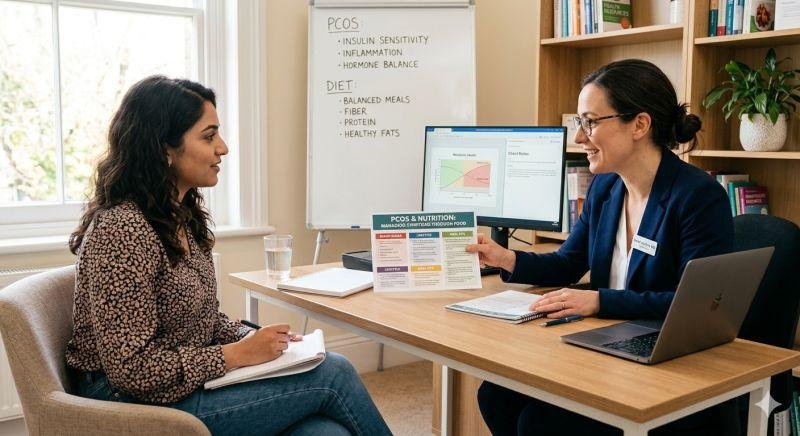
PCOS is a hormonal and metabolic condition, often influenced by genetics, insulin resistance, and lifestyle factors together. There’s no single pill or diet that reverses the underlying hormonal tendency completely. What you can do is manage the factors within your control — primarily insulin resistance, inflammation, and stress — so that your hormones function as smoothly as possible.
Think of it less like “curing” a disease and more like managing a condition — similar to how you’d manage high blood pressure or thyroid imbalance with the right lifestyle choices, even without a permanent “fix.”
How Diet Affects Hormonal Balance in PCOS
Here’s the connection that most people don’t realize: your blood sugar and your reproductive hormones are closely linked.
When you eat foods that spike blood sugar quickly — sugar, refined flour, fried snacks — your body releases extra insulin to bring it back down. In PCOS, cells are often less responsive to insulin, so your body ends up producing even more of it. This excess insulin signals your ovaries to produce more androgens (male hormones), which is what leads to:
- Irregular or missed periods
- Acne and oily skin
- Excess facial or body hair
- Difficulty losing weight, especially around the belly
This is exactly why a proper diet for hormonal imbalance focuses so heavily on blood sugar stability — because stabilizing insulin is often the fastest way to bring androgen levels back into a healthier range.
Hormone Balancing Foods That Actually Help
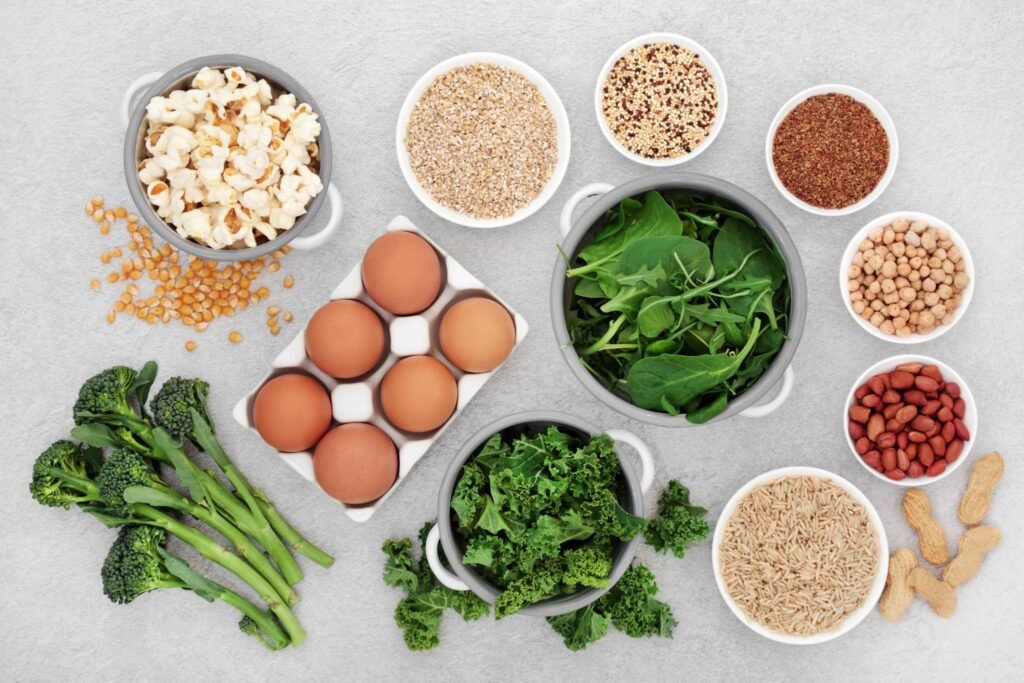
If you’re looking to support hormonal balance through diet, here’s where to focus:
1. Protein with every meal
Slows sugar absorption and keeps insulin levels steadier throughout the day. Eggs, paneer, dal, and fish are great options.
2. Fiber-rich vegetables and whole grains
Millets, oats, and leafy greens slow digestion and reduce insulin spikes.
3. Healthy fats
Your body needs fat to produce hormones. Nuts, seeds, ghee, and olive oil support this process.
4. Omega-3 rich foods
Flaxseeds, walnuts, and fatty fish help reduce inflammation, which is often elevated in PCOS.
5. Magnesium and zinc-rich foods
Pumpkin seeds, spinach, and legumes support ovulation and hormone regulation.
6. Cinnamon and fenugreek
Some studies suggest these may help improve insulin sensitivity when used consistently as part of meals.
Balancing Hormones Through Diet Is a Process, Not a Quick Fix
This is the part that’s often left out of “miracle diet” claims — balancing hormones through diet takes consistency over months, not days. Hormonal changes happen gradually, because your body needs time to respond to improved insulin sensitivity, reduced inflammation, and better nutrient intake.
Most women following a well-structured PCOS nutrition plan start noticing:
- Better energy and fewer cravings within 3-4 weeks
- Improved skin and reduced bloating within 6-8 weeks
- More regular cycles within 3 months or so
This timeline can vary depending on how long you’ve had PCOS, your specific hormone profile, and how consistent you’re able to be.
So, What’s the Real Answer?
Diet won’t “cure” PCOS, but it’s one of the most powerful tools for managing it well — often more effective than people realize, when it’s done right and consistently. If you’d like to understand PCOS itself in more depth, including the types and root causes, our PCOS page is a good place to start.
Want a Hormonal-Balance Diet Built Around Your Body?
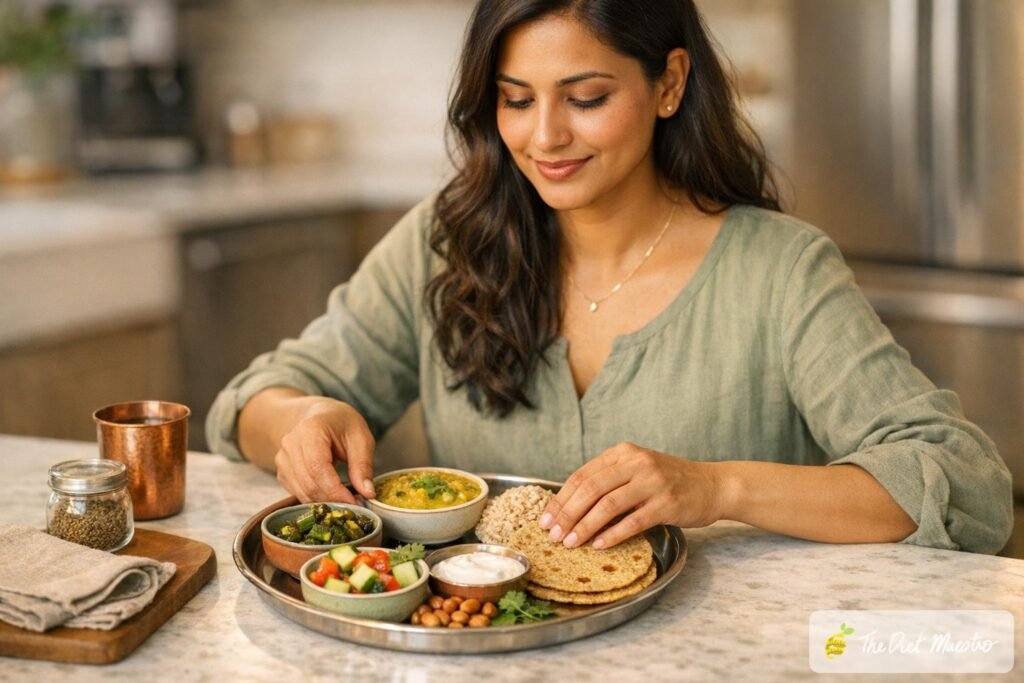
Every woman’s hormonal profile is different, which means a generic “hormone balancing diet” only goes so far. What actually moves the needle is a nutrition plan that’s built around your specific symptoms, lab reports, and lifestyle.
If you’re ready to take a personalized, realistic approach to managing your PCOS through nutrition, get in touch with us — we’ll help you build a plan that’s designed for your body, not a generic template.
FAQs
1. How long before diet changes start balancing hormones in PCOS?
Most women notice early changes like better energy and digestion within 3-4 weeks, while cycle regularity and hormonal shifts usually take about 3 months of consistent effort.
2. Can diet alone fix irregular periods caused by PCOS?
For many women, diet and lifestyle changes significantly improve cycle regularity. Some may also need medical support alongside nutrition, depending on severity, which is best assessed individually.
3. Are supplements necessary for hormonal balance in PCOS?
Not always. Many hormone-supporting nutrients can be obtained through food. Supplements may help in specific cases but should ideally be recommended based on your individual needs.