Let’s be honest for a second.
You hit the gym regularly. You’re consistent. You’re showing up even on days you don’t feel like it. But the results — the muscle, the weight gain, the strength — just aren’t matching the effort you’re putting in.
Chances are, the problem isn’t your workout.
It’s what’s happening in the kitchen before and after.
Workout nutrition in India is still wildly misunderstood. Most people either skip food before training (“I heard fasted cardio is good”) or eat random things after (“I had dal and rice, that should be fine, right?”). Neither approach is wrong exactly — but neither is optimised.
This blog is your complete, practical, Indian-kitchen-friendly guide to eating around your workouts — from your first meal of the day to what you eat before you sleep.
Let’s get into it.
First — Why Workout Nutrition Matters More Than You Think
Your body during exercise is like a construction site. Bricks (muscles) are being torn down, stressed, and rebuilt. For that process to go well, the raw materials need to be available at exactly the right time.
When you train without the right fuel before, you run out of energy mid-session. Your strength drops. Your form suffers. You cut the workout short.
When you skip proper nutrition after, your muscles don’t have what they need to repair and grow. You feel sore for longer. You’re more likely to lose muscle than gain it.
For someone focused on healthy weight gain, this timing matters even more. You’re not just burning calories — you’re trying to build tissue. And tissue requires consistent nutritional signals, not random meals.
The 4 Phases of Workout Nutrition (That Most Indians Skip)
Most people think about pre workout and post workout. But there are actually four windows that matter:
Phase 1 — Pre Workout (1.5–2 hours before)
Prime your muscles with fuel. Load carbs and moderate protein. Keep fat low.
Phase 2 — Immediate Pre Workout (30–45 minutes before)
A quick, easily digestible snack if you didn’t eat a full meal earlier.
Phase 3 — Intra Workout (during, for sessions over 60 minutes)
Maintain energy and electrolytes. Prevent muscle breakdown.
Phase 4 — Post Workout (within 30–60 minutes after)
Rebuild. Replenish glycogen. Kick-start muscle protein synthesis.
Most Indians are nailing Phase 4 (eating after training) but missing Phases 1, 2, and 3 entirely. Let’s fix that.
Phase 1: The Pre Workout Meal — What to Eat Before Gym (1.5–2 Hours Before)
This is your foundation meal. It needs to do three things: give you energy, prevent muscle breakdown during training, and be light enough to not sit in your stomach while you squat.
What your pre workout meal India should look like:
The golden formula: Complex carb + Moderate protein + Very little fat + No heavy fibre
Fat and fibre slow digestion. That’s great at other times of the day, but right before training, you want food that moves through quickly and delivers energy fast.
Best Indian Pre Workout Meals (1.5–2 Hours Before Training)
Option 1: The Classic Rice Plate
1 cup cooked white rice or 2 rotis (whole wheat) + 1 bowl dal (moong or masoor) + light sabzi (no heavy cream or oil)
White rice over brown here — it digests faster and spikes glycogen replenishment more efficiently before exercise.
Option 2: Poha with Peanuts
1.5 cups poha + handful of peanuts + green peas. Quick to make, easy to digest, and gives you both carbs and protein.
Option 3: Upma + Boiled Egg
Semolina or oats upma + 1–2 boiled eggs. A gym staple in many Indian households for a reason.
Option 4: Banana + Peanut Butter on Roti
1 small banana (the original pre workout snack — more on this below) + 1 roti with a thin spread of peanut butter. Simple, balanced, effective.
Option 5: Curd Rice
1 cup cooked rice + homemade curd + a pinch of salt. Easy on the stomach and surprisingly effective for carb loading before training.
Pre Workout Meal Timing — Does It Actually Matter?
Yes, significantly.
Eating too close to your workout (within 30 minutes) can cause cramps, nausea, and sluggishness. Eating too far before (3+ hours) means your blood sugar has already dropped by the time you start.
The ideal pre workout meal timing window is 60–90 minutes for a full meal, or 30–45 minutes for a light snack.
| Meal Type | When to Eat |
| Full meal (rice, dal, roti) | 90 minutes before |
| Medium snack (banana + peanut butter) | 45–60 minutes before |
| Light snack (fruit, toast with egg) | 30 minutes before |
| Nothing (training on empty) | Not recommended for weight gain |
Phase 2: Immediate Pre Workout Indian Snacks (30–45 Minutes Before)
Sometimes life happens and you don’t get that full meal in. This is where quick Indian pre workout snacks come in.
These need to be fast-digesting, low in fat, and easy to carry or prepare:
Quick Indian Pre Workout Snacks:
- 1 banana (best standalone pre-workout fruit — see below)
- 2–3 dates + black coffee (natural sugar + caffeine for focus)
- 1 small bowl of soaked poha with lemon
- 1 slice of whole wheat toast with honey
- 1 small cup of lassi (thin, not heavy) + 2 Marie biscuits
- Handful of roasted makhana
- 1 small apple + 4–5 soaked almonds
Keep it under 200–250 calories. You’re topping up, not loading up.
The Banana Before Workout — Why It’s Been a Gym Staple Forever
Let’s give the humble banana its moment.
Banana before workout benefits are genuinely impressive:
Fast carbs — The natural sugars (glucose, fructose, sucrose) in a banana enter the bloodstream quickly, giving you an energy lift within 20–30 minutes.
Potassium — One of the most important electrolytes for muscle contraction. Low potassium = cramps mid-set.
Vitamin B6 — Supports protein metabolism and energy production.
Easy on the gut — Unlike apples or dairy, bananas sit lightly and rarely cause digestive discomfort during exercise.
Widely available and affordable — No supplement can beat the cost-to-performance ratio of a banana.
The ripe ones (with small brown spots) are actually better pre-workout than raw ones — they’re sweeter, more digestible, and release energy faster.
One medium banana 30–45 minutes before your session is enough. Pair it with a small protein source (like 4–5 almonds or a boiled egg) if you haven’t eaten a full meal.
Carbs for Workout Energy — Why Indian Food Is Actually Perfect
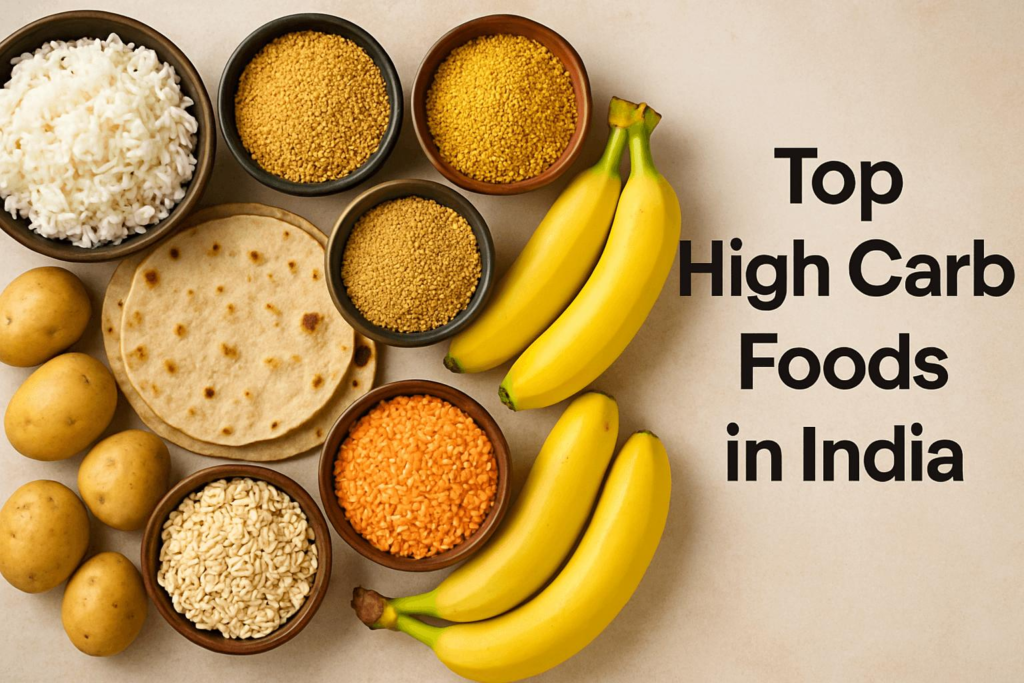
There’s a strange myth in Indian fitness circles that carbs are the enemy. They’re not. Carbs are your muscles’ primary fuel source during exercise.
Without enough carbs for workout energy, your body turns to muscle protein for fuel — the exact opposite of what you want when trying to gain weight and build muscle.
Glycogen (stored carbs in your muscles and liver) is what powers every rep, every sprint, every set. When glycogen is low, performance crashes — and so does muscle growth.
Best Indian carb sources for workout energy:
- White rice and whole wheat rotis
- Banana and other fresh fruits
- Poha, upma, and idli/dosa
- Oats
- Sweet potato (shakarkand)
- Sabudana (sago) — excellent for quick glycogen loading
- Jaggery — natural and fast-digesting
The key is carb timing — most of your daily carb intake should be clustered around your workout window, not in the late evening.
Phase 3: Intra Workout Nutrition — What to Consume During Exercise
For most gym sessions under 60 minutes, water is enough.
But if you’re training for 60–90+ minutes — or doing something intense like heavy lifting, football, cricket, or long runs — intra workout nutrition becomes important.
Your goals during exercise:
- Maintain blood glucose
- Prevent muscle breakdown (catabolism)
- Replace electrolytes lost through sweat
What to consume intra workout:
Water — Non-negotiable. At least 200–300 ml every 20 minutes during intense exercise.
Electrolytes during exercise — Sweat doesn’t just carry water. It carries sodium, potassium, magnesium, and chloride. Replacing these prevents cramps, fatigue, and brain fog.
Simple Indian options for electrolytes during exercise:
- Nimbu paani with a pinch of rock salt and sugar (the OG sports drink)
- Coconut water — nature’s electrolyte drink; contains potassium, sodium, and magnesium
- Buttermilk (chaas) — if tolerated; light and full of electrolytes
- ORS (for very intense, long sessions)
Avoid packaged sports drinks unless you’re an endurance athlete — most are loaded with sugar, artificial colour, and sodium levels meant for marathon runners, not regular gym-goers.
For very long sessions (90+ minutes), you can also sip on diluted coconut water with a small banana between sets to maintain blood glucose and prevent muscle protein breakdown.
Phase 4: Post Workout Nutrition — The Most Important Meal of the Day
This is where the magic happens — or doesn’t, depending on what you eat.
After training, your muscles are in a state of breakdown and need two things urgently:
- Protein — to repair and build muscle tissue
- Carbohydrates — to replenish glycogen stores and stop cortisol from breaking down muscle further
The 30–60 minute post workout window is when your muscles are most sensitive to nutrition. This is called the anabolic window, and while it’s not as short as once believed, eating soon after training is still significantly better than waiting 2–3 hours.
Post Workout Protein Intake — How Much Do You Actually Need?
For muscle repair and growth, aim for 20–40 grams of protein in your post workout meal, depending on your body weight and training intensity.
A rough guide: 0.3–0.4 grams of protein per kg of body weight post workout.
So if you weigh 65 kg, you’re looking at 20–26 grams of protein after training.
Best Indian post workout protein sources:
| Food | Approx. Protein |
| 2 boiled eggs | 12–13 g |
| 1 cup cooked dal (moong/masoor) | 8–10 g |
| 100 g paneer | 18–20 g |
| 1 cup low-fat curd | 8–10 g |
| 100 g grilled chicken breast | 28–30 g |
| 1 cup cooked rajma/chole | 14–16 g |
| 1 cup tofu | 15–17 g |
You don’t need protein powder to hit these numbers — Indian food covers it well if you plan properly.
Post Workout Food for Weight Gain — Eating to Build, Not Just Recover
If your goal is weight gain and muscle building, your post workout meal needs to go beyond just protein.
Post workout food for weight gain should be a full, substantial meal — not a quick snack.
Sample Post Workout Meals for Weight Gain (Indian Style):
Meal 1: The Muscle Builder
2 rotis + 1 large bowl of rajma or chole + 100 g paneer bhurji + 1 cup curd + banana
Meal 2: The Rice Gainer
1.5 cups cooked white rice + 2 boiled eggs + moong dal + light vegetable sabzi
Meal 3: Non-Veg Option
1 cup rice or 2 rotis + 150 g grilled chicken/fish + dal + salad with olive oil dressing
Meal 4: Quick Option (if short on time)
Peanut butter and banana smoothie (1 banana + 2 tbsp peanut butter + 1 cup milk + a scoop of curd) — around 400–450 calories with good protein and carbs
The key for weight gain is caloric surplus. You need to be eating more than you’re burning — and the post workout window is the best time to push those extra calories in, because your muscles are primed to use them.
If you’re struggling to eat enough to gain weight consistently, a structured weight gain nutrition plan can make a real difference in how efficiently your body uses the food you eat.
Glycogen Replenishment — The Science Behind Why Carbs After Workout Matter
Here’s something most people don’t know: after intense exercise, your muscle glycogen stores can be 50–70% depleted.
If you don’t replenish them, your next workout starts at a deficit. You’ll feel tired from the very first set. Recovery takes longer. And muscle growth slows down.
Glycogen replenishment foods (eaten in the post workout window) include:
- White rice — fast digesting, excellent glycogen restorer
- Banana — quick fructose and glucose
- Potatoes and sweet potatoes
- Fruit juices (fresh, without added sugar)
- Roti with jaggery
- Mango (seasonal, but excellent for glycogen loading)
This is one reason white rice is actually better than brown rice immediately after a workout. It digests faster and replenishes glycogen more efficiently. Save the brown rice and high-fibre grains for other meals.
Muscle Recovery Foods — Eating to Bounce Back Faster

Sore muscles after training are normal. But if you’re consistently sore for 2–3 days after every session, your recovery nutrition needs attention.
Protein timing for muscle gain plays a role, but so do anti-inflammatory foods, micronutrients, and hydration.
Anti-Inflammatory Foods for Recovery
Anti-inflammatory foods recovery support is one of the most underused tools in workout nutrition.
Exercise creates micro-inflammation in the muscles — that’s how growth happens. But when inflammation is too high or lasts too long, it delays recovery and increases injury risk.
The best anti-inflammatory foods from an Indian kitchen:
- Haldi (turmeric) — curcumin is one of the most powerful natural anti-inflammatory compounds. Haldi doodh after a hard session is genuinely therapeutic.
- Adrak (ginger) — reduces muscle soreness and stiffness. Ginger tea post workout is underrated.
- Tart cherries and berries — not always available, but when in season, excellent for recovery.
- Walnuts and flaxseeds — omega-3s reduce post-exercise inflammation.
- Fatty fish (salmon, sardines, mackerel) — if you eat non-veg, these are excellent recovery foods.
- Dark leafy greens — palak, methi, moringa — loaded with magnesium and micronutrients that support muscle function.
- Pomegranate juice — natural polyphenols shown to reduce muscle soreness.
- Green tea — EGCG (a catechin in green tea) has notable anti-inflammatory properties.
Hydration for Long Workouts — The Most Underrated Factor
You can eat perfectly and still underperform if you’re dehydrated.
Even a 2% drop in body water can reduce strength output by up to 10% and significantly impair focus and endurance.
Hydration for long workouts goes beyond just drinking water during the session. It’s about how you hydrate across the whole day.
Hydration framework for active Indians:
| Timing | What to Drink |
| Morning (wake up) | 2 glasses of plain water |
| 1 hour before workout | 400–500 ml water |
| During workout | 200–300 ml every 20 minutes |
| Immediately post workout | 500 ml water or coconut water |
| Rest of day | 2–3 litres total including food water |
Signs you’re under-hydrated: dark yellow urine, headache post workout, persistent fatigue, cramps during training.
The coconut water versus sports drink debate: for most Indian gym-goers, coconut water wins. It’s natural, contains the right electrolyte balance, and is free from artificial additives. Sports drinks are useful only for athletes training 90+ minutes at high intensity.
A Full Day Workout Nutrition Plan India — What It Actually Looks Like
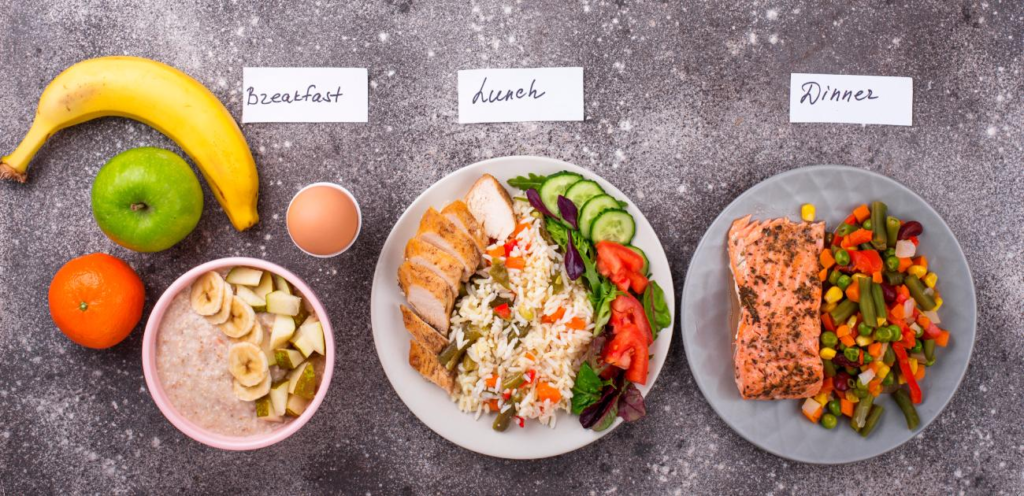
Here’s how to put all of this together into a real, practical workout nutrition plan India for a person training at 6–7 PM (common gym timing in India):
7:00 AM — Wake Up
2 glasses of warm water + 5 soaked almonds + 2 walnuts
8:00 AM — Breakfast
Moong dal chilla (2 pieces) + 1 boiled egg + 1 cup low-fat curd + seasonal fruit
11:00 AM — Mid-Morning
1 small bowl sprouts chaat + 1 cup green tea
1:00 PM — Lunch
1.5 cups cooked white or brown rice + 1 bowl dal + sabzi + salad + curd
4:00 PM — Pre Workout Meal (1.5–2 hours before training)
2 rotis + 1 bowl moong dal + 1 light vegetable sabzi
5:30–5:45 PM — Immediate Pre Workout Snack (30–45 min before)
1 ripe banana + black coffee (optional) OR 3–4 dates
6:00–7:00 PM — Training
Sip water consistently. Coconut water or nimbu paani if session goes long.
7:15–7:30 PM — Post Workout (within 30 minutes)
Post workout shake or quick snack: 1 banana + 1 cup curd with jaggery OR peanut butter banana smoothie
8:00 PM — Post Workout Dinner (the main recovery meal)
1.5–2 cups rice + 100 g paneer / 2 eggs / grilled chicken + dal + light sabzi + salad
10:00 PM — Before Bed
1 glass warm milk + 1 tsp haldi + pinch of ashwagandha (optional, but supports recovery and sleep quality)
This structure gives your body fuel at every stage — before, during, and after exercise — while building toward a caloric surplus for weight gain.
The Thyroid and Gut Connection to Workout Recovery
One thing that often gets overlooked: if your recovery feels slow despite eating well, it may not just be about workout nutrition.
Thyroid dysfunction can significantly reduce your body’s ability to use protein and carbohydrates efficiently — meaning your carefully timed post workout meal may not be absorbed the way it should be. If you suspect this, a thyroid care plan alongside your workout nutrition is worth exploring.
Similarly, poor gut health affects how well nutrients are absorbed. Even the best post workout meal does limited good if your gut is inflamed or your digestion is slow. If you experience regular bloating, gas, or sluggish digestion, addressing gut health can dramatically improve how your body responds to training.
Common Workout Nutrition Mistakes Indians Make
Training on an empty stomach when trying to gain weight — Great for fat loss, counterproductive for muscle gain. Always eat before training if your goal is to build mass.
Eating only protein post workout — Protein without carbs post workout means your body uses the protein for energy instead of muscle repair. Always combine both.
Skipping dinner after a late workout — The body needs food to repair overnight. A post workout dinner is non-negotiable.
Relying on protein powder instead of whole food — Supplements are supplements. They don’t replace meals. For most Indian gym-goers, getting protein from dal, eggs, paneer, and curd is more effective and sustainable.
Drinking too much tea and coffee and not enough water — Caffeine is mildly diuretic. If you have 3+ cups a day and don’t compensate with water, you’re likely under-hydrated before you even start training.
Ignoring sleep nutrition — What you eat before bed matters for overnight muscle recovery. A small protein source before sleep (a glass of milk, a handful of nuts, or a small bowl of curd) supports muscle protein synthesis while you sleep.
Skinny and Struggling to Gain? Here’s What’s Missing
If you’ve been training for months and still can’t seem to gain weight or muscle, the issue is almost always one of three things:
- You’re not eating enough calories — Track your intake for 3 days. Most people who “eat a lot” are still in a caloric deficit.
- Your protein isn’t spread across the day — Eating all your protein in one meal (like a big dinner) is less effective than spreading it across 4–5 meals.
- Your nutrition isn’t personalised — A generic plan from the internet doesn’t account for your metabolism, lifestyle, activity level, or body type.
This is exactly why a structured, personalised weight gain plan built around your specific needs — not a template — can completely change your results.
5 Practical Swaps to Upgrade Your Workout Nutrition Starting Today
You don’t need to overhaul everything at once. Start with these:
Instead of training empty → Eat a banana 30 minutes before
Instead of a packaged sports drink → Coconut water or nimbu paani
Instead of skipping post workout food → Keep curd + banana ready at home
Instead of protein powder as your only protein → Build meals around eggs, dal, paneer
Instead of white bread post workout → White rice with dal — better nutrition, same fast carbs
A Note on Vitamin Deficiencies and Workout Performance
Many Indian gym-goers struggle with fatigue, slow recovery, and poor muscle response despite training and eating well — and never realise the reason might be a micronutrient deficiency.
Low Vitamin D (extremely common in India), low B12 (common in vegetarians), and low iron can all significantly affect your energy, muscle function, and recovery speed. If you feel consistently tired or your performance has plateaued despite consistent effort, it’s worth getting a basic blood panel done and addressing any gaps through personalised nutrition guidance.
Wrapping It Up: Your Workout Nutrition, Simplified
You don’t need expensive supplements. You don’t need a foreign diet plan. You don’t need to give up roti or rice.
What you need is timing, balance, and consistency — using the foods you already know and love from your Indian kitchen.
Eat carbs before training. Combine protein and carbs after. Stay hydrated throughout. Eat enough to support your goals. Sleep well. Repeat.
That’s the whole framework. Everything else is detail.
Want a workout meal plan built specifically for your body, your goals, and your lifestyle? Book a consultation with Dt. Richa Doshi and get a plan that’s made for you — not copy-pasted from the internet.