

Gas and bloating are common digestive complaints. You may notice them after eating certain foods, having a large meal, eating too quickly, or when your digestive system is sensitive to particular ingredients.
Some foods are more likely to produce gas because they contain carbohydrates and fibres that are not completely digested in the small intestine. These reach the large intestine, where gut bacteria break them down and produce gas.
This does not mean that every food on a list of foods that cause gas and bloating needs to be avoided. Foods such as dal, beans, vegetables, and whole grains can be nutritious and provide important fibre. The amount you eat, how the food is prepared, and your individual tolerance all matter.
In this guide, we will look at common gas forming foods, vegetables and Indian foods that may cause gas, and simple ways to reduce gas and bloating without unnecessarily restricting your diet.
What Causes Gas and Bloating?
Gas is a normal part of digestion. It can enter the digestive tract when you swallow air while eating or drinking, and it can also be produced when gut bacteria break down undigested carbohydrates.
Some factors that can increase gas and bloating include:
- Eating too quickly
- Drinking fizzy beverages
- Eating very large meals
- Increasing fibre suddenly
- Eating certain high-fibre foods
- Food intolerances
- Constipation
- Changes in gut bacteria
- Certain digestive conditions
Everyone responds differently to food. A food that causes gas for one person may not cause any symptoms in another.
Gas Forming Foods: Complete List
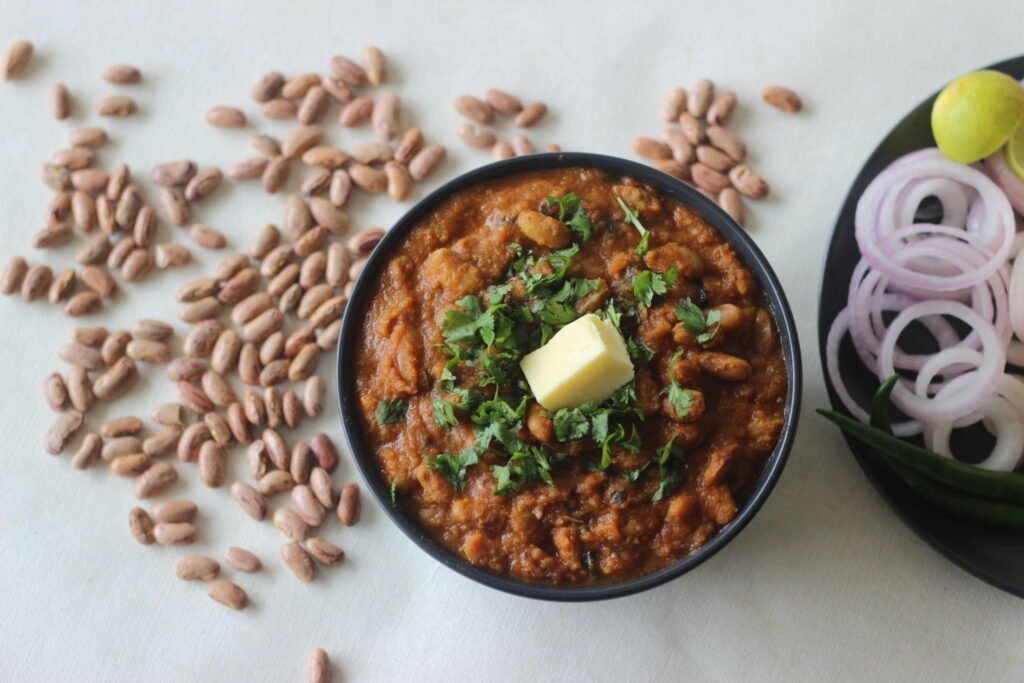
Several foods are commonly associated with gas and bloating. Many of them are actually nutritious foods, so the goal is usually portion control and individual tolerance rather than complete avoidance.
1. Beans and Legumes
Beans and legumes are among the most commonly recognised gas-producing foods.
Examples include:
- Rajma
- Chickpeas
- Black beans
- Kidney beans
- Lentils
- Various dals
They contain fibre and certain carbohydrates that can be fermented by gut bacteria, which may increase gas production.
If beans cause discomfort, start with smaller portions, soak dried beans properly, cook them thoroughly, and increase the quantity gradually.
2. Rajma
Rajma can cause gas because it contains fermentable carbohydrates and a considerable amount of fibre.
This does not mean you have to stop eating rajma. Soaking dried rajma, discarding the soaking water, cooking it thoroughly, and starting with a smaller portion may make it easier to tolerate.
If rajma consistently causes severe discomfort, consider reducing the portion and discussing your symptoms with a healthcare professional.
3. Dal and Lentils
Dal is an important source of plant protein and fibre in Indian diets, but it can cause gas in some people.
Different dals can affect people differently. If you notice bloating after eating dal, try a smaller serving and increase it gradually.
Thorough cooking can also make legumes easier to digest.
4. Moong Dal
Can moong dal cause gas? Yes, it can in some people, although many people find moong dal easier to digest than some other legumes.
Moong dal still contains fibre and fermentable carbohydrates that may lead to gas.
If you experience bloating after eating it, try a smaller serving, cook it well, and observe whether the symptoms improve.
5. Urad Dal
Urad dal can cause gas and bloating in some people because of its fibre and fermentable carbohydrates.
Foods made with urad dal, such as idli, dosa, and medu vada, may also affect digestion differently depending on preparation, portion size, fermentation, and individual tolerance.
6. Toor Dal
Toor dal is another common Indian pulse that may cause gas in sensitive individuals.
You do not necessarily need to remove it from your diet. Try a moderate portion and combine it with easily tolerated vegetables and other foods.
Vegetables That Can Cause Gas
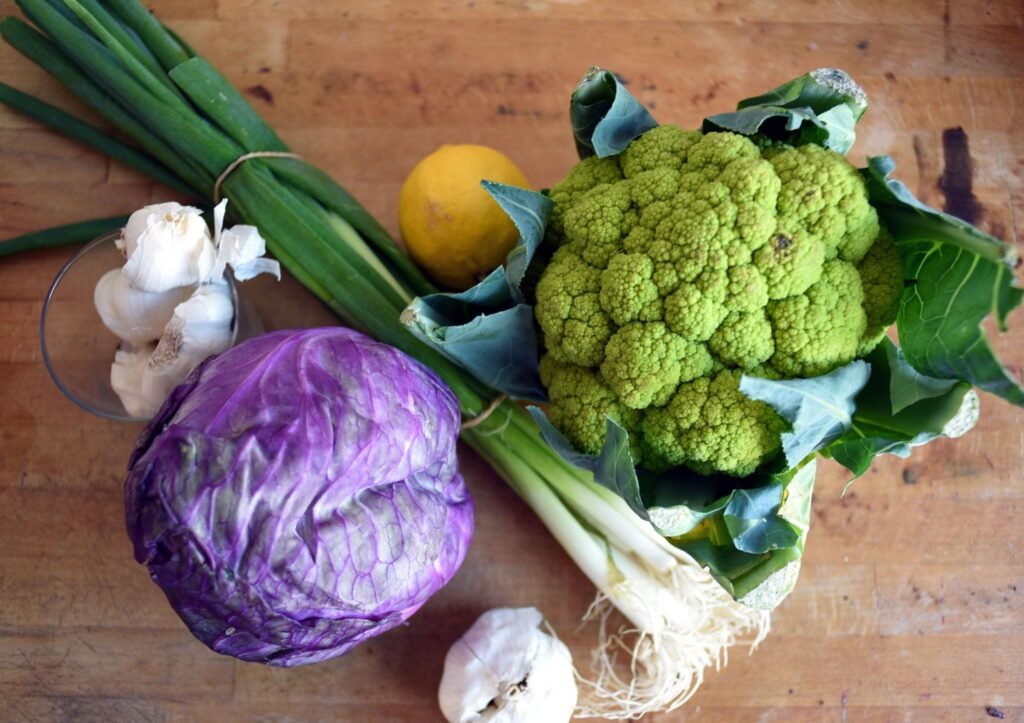
Vegetables are an important part of a healthy diet, but some may increase gas in people with sensitive digestion.
7. Cauliflower
Does cauliflower cause gas? It can.
Cauliflower belongs to the cruciferous vegetable family and contains fibre and fermentable carbohydrates that may increase gas production.
You may tolerate a small cooked portion better than a large serving. Cooking cauliflower can also make it easier to digest for some people.
8. Broccoli and Cabbage
Broccoli and cabbage are also common gas-forming vegetables.
They are nutritious and provide fibre, vitamins, and other beneficial plant compounds. Instead of avoiding them completely, consider smaller portions and thorough cooking if they cause discomfort.
9. Onions
Do onions cause gas? They can, particularly in people who are sensitive to certain fermentable carbohydrates.
Onions are widely used in Indian cooking, which can make them difficult to identify as a trigger.
If you frequently experience bloating, pay attention to whether meals containing large amounts of onion trigger symptoms.
10. Garlic
Does garlic cause gas? Garlic can cause gas and bloating in some sensitive people.
Garlic contains fermentable carbohydrates that can be difficult for some people to tolerate.
If garlic appears to trigger your symptoms, try reducing the quantity rather than removing it from every meal.
11. Bhindi
Bhindi is generally well tolerated by many people, but its fibre content may cause digestive discomfort in some individuals, especially when eaten in large portions.
If bhindi causes bloating for you, try a smaller serving and avoid preparing it with excessive oil.
12. Mushrooms
Some types of mushrooms contain carbohydrates that can be difficult for some people to digest.
If you notice gas after eating mushrooms, reduce the portion and observe whether your symptoms improve.
13. Carrots
Carrots are not usually considered a major gas-forming food. However, eating a large amount of any high-fibre food, particularly when your fibre intake has recently increased, may cause temporary bloating.
Cooked carrots may be easier to tolerate than large amounts of raw vegetables for some people.
Do Potatoes Cause Gas?
Do potatoes cause gas? Potatoes do not usually cause excessive gas in everyone, but they can cause bloating in some people.
The preparation method also matters. Deep-fried potatoes, heavily spiced potato dishes, or very large portions may be more likely to cause digestive discomfort than a moderate portion of boiled or lightly cooked potatoes.
If potatoes consistently cause symptoms, consider your portion size and how they are prepared.
Does Rice Cause Gas?
Does rice cause gas? Plain rice is generally considered relatively easy to digest and does not commonly cause excessive gas.
However, some people may feel bloated after eating a large amount of rice. The ingredients eaten with the rice may also be responsible.
For example, a meal containing a large serving of rice, rich curry, fried foods, and several gas-producing ingredients may cause more discomfort than a moderate portion of plain rice with a simple protein and cooked vegetables.
Does Paneer Cause Gas?
Does paneer cause gas? Paneer may cause gas or bloating in some people, particularly if they have difficulty digesting dairy products.
If you notice symptoms after eating paneer, consider the portion size and whether other dairy foods cause similar symptoms.
You can also discuss whether lactose intolerance or another digestive issue could be contributing to your symptoms.
Does Besan Cause Gas?
Besan, or gram flour, is made from chickpeas and contains fibre and fermentable carbohydrates.
Does besan cause gas? It can in some people.
Foods such as besan chilla, pakoras, and other gram-flour preparations may cause bloating, especially when eaten in large portions or when they are deep-fried.
A lightly cooked besan chilla may be easier to tolerate than a large serving of fried besan snacks.
Does Chicken Cause Gas?
Chicken itself is not generally considered a major gas-producing food because it contains protein rather than large amounts of fermentable carbohydrates.
However, chicken dishes can sometimes cause bloating because of the way they are prepared.
Rich gravies, large amounts of oil, cream, onions, garlic, or spicy ingredients may contribute to digestive discomfort.
If you feel bloated after eating chicken, look at the complete meal rather than assuming that chicken itself is the cause.
Does Poha Cause Gas?
Poha is generally a relatively light meal for many people.
However, poha can cause bloating in some individuals depending on portion size and the other ingredients added to it.
For example, large amounts of onion, peanuts, or other ingredients may contribute to symptoms.
If poha causes discomfort, try a smaller serving and keep the preparation simple.
Does Puffed Rice Cause Gas?
Puffed rice is generally light and does not usually produce significant gas by itself.
However, a puffed rice mixture containing onions, chickpeas, peanuts, spicy chutneys, or other ingredients may cause bloating depending on individual tolerance.
Does Ragi Cause Gas?
Ragi is rich in fibre and can be part of a healthy diet. However, increasing fibre intake suddenly may cause temporary gas or bloating.
If you are not used to eating ragi, start with a smaller portion and increase it gradually.
Drinking enough water and maintaining a varied diet can also help your digestive system adapt to increased fibre.
Do Idli and Dosa Cause Gas?
Idli and dosa are fermented foods commonly made using rice and urad dal.
Fermentation may make these foods easier for some people to digest, but others may still experience bloating because of the ingredients, portion size, or accompanying foods.
Large servings of dosa with oily chutney, potato filling, or rich sambar may be more likely to feel heavy than a moderate serving with lighter accompaniments.
Does Sabudana Cause Gas?
Sabudana is mainly a carbohydrate-rich food and is not typically one of the strongest gas-forming foods.
However, dishes such as sabudana khichdi may contain peanuts, potatoes, spices, and significant amounts of oil, which can make the overall meal heavier.
If you experience bloating after eating sabudana, look at the complete preparation and portion size.
What Foods Cause Gas and Bloating?
The foods most commonly associated with gas and bloating include:
- Rajma and other beans
- Chickpeas
- Some dals and lentils
- Onions
- Garlic
- Cauliflower
- Broccoli
- Cabbage
- Some mushrooms
- Large amounts of high-fibre foods
- Certain dairy products in people with lactose intolerance
- Carbonated beverages
- Some sugar-free products containing certain sweeteners
Remember that this is not a list of foods that everyone needs to avoid.
Many of these foods are nutritious. The important question is which foods trigger symptoms for you and in what quantity.
Foods to Avoid for Gas and Bloating

If you frequently experience gas, you may want to temporarily reduce foods that consistently trigger your symptoms.
Depending on your individual tolerance, these may include:
- Large portions of beans and legumes
- Large servings of cauliflower, cabbage, or broccoli
- Large amounts of onion and garlic
- Carbonated drinks
- Very fatty meals
- Deep-fried foods
- Sugar-free products containing certain sweeteners
- Foods that you know personally trigger symptoms
Avoiding a long list of foods without identifying your actual triggers can unnecessarily restrict your diet.
Instead, keep a simple food and symptom diary. Note what you eat, how much you eat, and when symptoms occur.
How to Reduce Gas After Eating
You may not need to completely remove gas-forming foods from your diet. Try these practical steps first.
Eat Slowly
Eating quickly can cause you to swallow more air, which may contribute to gas and bloating.
Take your time, chew food properly, and avoid rushing through meals.
Increase Fibre Gradually
Fibre is important for digestive health, but suddenly increasing your fibre intake can cause temporary gas.
If you are adding more dal, beans, vegetables, or whole grains to your diet, increase the amount gradually.
Soak and Cook Legumes Properly
For dried beans and some legumes, soaking and thorough cooking can help make them easier to tolerate.
Start with smaller portions if you are not used to eating legumes regularly.
Avoid Very Large Meals
A large meal can make you feel excessively full and uncomfortable.
Try smaller, balanced portions and eat at regular times.
Limit Fizzy Drinks
Carbonated beverages can increase the amount of gas in your digestive tract.
Water is usually a better everyday choice if you are experiencing frequent bloating.
Identify Your Personal Triggers
Instead of avoiding every food on a gas-forming foods list, identify the foods that actually cause symptoms for you.
A food diary can help you spot patterns.
What to Eat When You Have Gas and Bloating

If you are currently experiencing digestive discomfort, choose foods that you personally tolerate well.
Some people find these options easier to manage:
- Plain rice
- Lightly cooked vegetables
- Oatmeal
- Banana
- Curd if dairy is tolerated
- Eggs
- Lightly cooked chicken or fish
- Simple khichdi
- Moong dal in a suitable portion
- Soups with well-cooked vegetables
There is no single “gas-free” diet that works for everyone. Your food choices should depend on your symptoms and individual tolerance.
Frequently Asked Questions
What are gas forming foods?
Gas forming foods are foods that can increase gas production during digestion. They often contain fibre or carbohydrates that are fermented by bacteria in the large intestine.
Common examples include beans, rajma, chickpeas, some dals, onions, garlic, cauliflower, cabbage, and broccoli.
What foods cause gas and bloating the most?
Common triggers include beans, rajma, chickpeas, some lentils, onions, garlic, cruciferous vegetables, carbonated drinks, and certain dairy products in people who are lactose intolerant.
However, the strongest trigger varies from person to person.
Can moong dal cause gas?
Yes. Moong dal can cause gas in some people because it contains fibre and fermentable carbohydrates. However, many people tolerate it well.
A smaller portion and thorough cooking may help reduce discomfort.
Does rajma cause gas?
Yes, rajma can cause gas because it contains fermentable carbohydrates and fibre.
Soaking dried rajma properly, cooking it thoroughly, and starting with a smaller portion may make it easier to tolerate.
Does cauliflower cause gas?
Yes, cauliflower can cause gas and bloating in some people.
It contains fibre and fermentable carbohydrates. Cooking it and keeping the portion moderate may improve tolerance.
Does garlic cause gas?
Garlic can cause gas and bloating in some people, particularly those who are sensitive to certain fermentable carbohydrates.
If you notice symptoms after eating garlic, try reducing the amount and observe whether your symptoms improve.
Does rice cause gas?
Plain rice is generally not a major gas-forming food. However, large portions or a heavy rice-based meal can cause bloating in some people.
The other foods eaten with rice may also contribute to digestive symptoms.
Does paneer cause gas?
Paneer can cause bloating in some people, particularly if they have difficulty digesting dairy.
If paneer consistently causes symptoms, consider the portion size and whether other dairy products cause similar problems.
What vegetables cause gas?
Vegetables that may cause gas in some people include cauliflower, cabbage, broccoli, onions, garlic, and certain mushrooms.
This does not mean they are unhealthy. They can still be included in a balanced diet if you tolerate them well.
What should I eat if I have frequent gas?
Choose simple foods that you tolerate well and avoid very large meals. Depending on your individual tolerance, options such as rice, cooked vegetables, eggs, lean protein, oatmeal, or light khichdi may be suitable.
If gas is frequent, severe, or persistent, speak with a doctor or qualified dietitian to identify the underlying cause.
When Should You See a Doctor?
Occasional gas is usually not a reason for concern. However, persistent or severe digestive symptoms should not simply be managed by removing more and more foods from your diet.
Speak with a healthcare professional if gas or bloating is accompanied by:
- Persistent or severe abdominal pain
- Unexplained weight loss
- Blood in the stool
- Persistent vomiting
- Significant changes in bowel habits
- Loss of appetite
- Symptoms that continue or worsen over time
These symptoms may need medical evaluation to identify the underlying cause.
Finding the Right Foods for Your Digestion

There are many foods that can cause gas and bloating in some people, but there is no universal list of foods that everyone needs to avoid.
Rajma, dal, cauliflower, onions, garlic, beans, and some other high-fibre foods can increase gas because of the way their carbohydrates are digested. Foods such as rice, potatoes, paneer, poha, ragi, and chicken may also cause discomfort in certain people, but the reason can depend on portion size, preparation, food combinations, and individual tolerance.
Instead of unnecessarily eliminating nutritious foods, focus on identifying your personal triggers. Eat slowly, increase fibre gradually, cook legumes properly, choose moderate portions, and pay attention to how your body responds.
If you regularly experience gas, bloating, or other digestive discomfort and are unsure what to eat, personalised nutrition guidance can help you identify suitable foods without unnecessarily restricting your diet. For ongoing digestive concerns, you can consult a gut health nutritionist in Mumbai for a personalised diet plan based on your symptoms, food preferences, lifestyle, and individual needs.