Dal, rice, roti, sabzi — for years, Indian food has been blamed for weight gain. But here’s the truth: it’s not our food that’s the problem, it’s how we’re eating it. Portion sizes, cooking methods, and meal timing matter far more than giving up rice or roti altogether.
A well-designed Indian weight loss diet plan doesn’t ask you to eat bland, boring food or switch to quinoa and kale overnight. It works with the foods you already know and love, just in smarter, more balanced ways. Let’s break down how an expert nutritionist builds a plan that fits Indian food culture while still helping you lose weight.
Why Indian Diets Get a Bad Reputation
Indian meals are often rich in carbohydrates, ghee, and fried snacks, which is why many people assume weight loss and Indian food simply don’t go together. But the real issues usually come down to:
- Large portion sizes, especially of rice and roti
- Excess use of oil and ghee in daily cooking
- Skipping protein and loading up on carbs at every meal
- Snacking on fried items like samosas, pakoras, and namkeen
- Irregular meal timings and late-night eating
None of this means Indian food needs to be avoided. It just needs a smarter structure, which is exactly what a personalized indian diet plan for weight loss provides.
What a Healthy Indian Diet Plan for Weight Loss Actually Looks Like
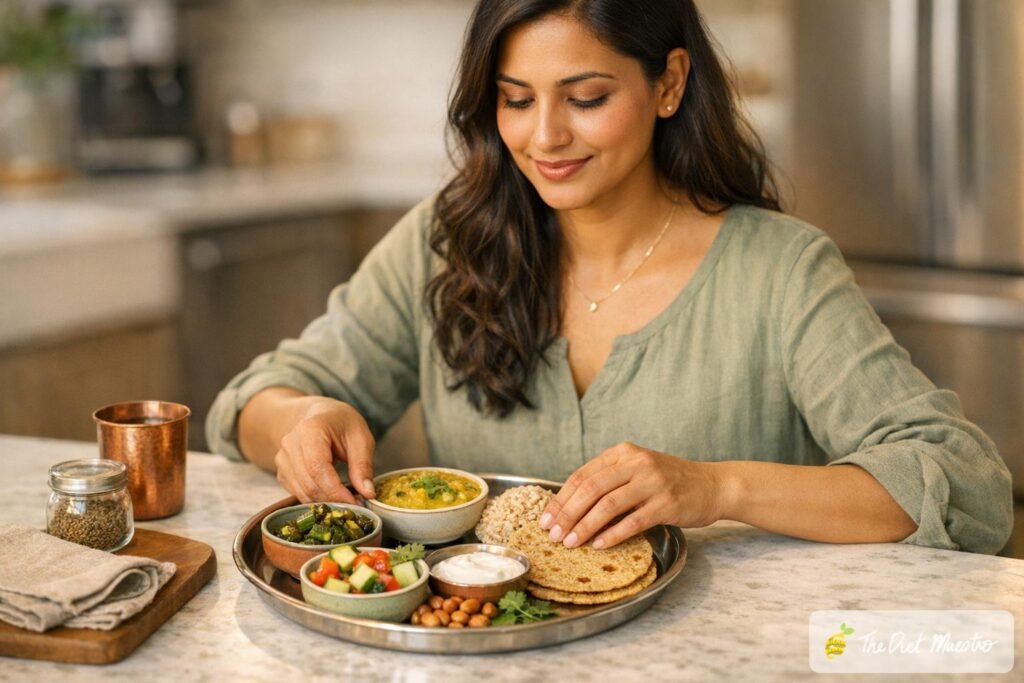
A healthy Indian diet plan for weight loss focuses on balance rather than restriction. Here’s what it typically includes:
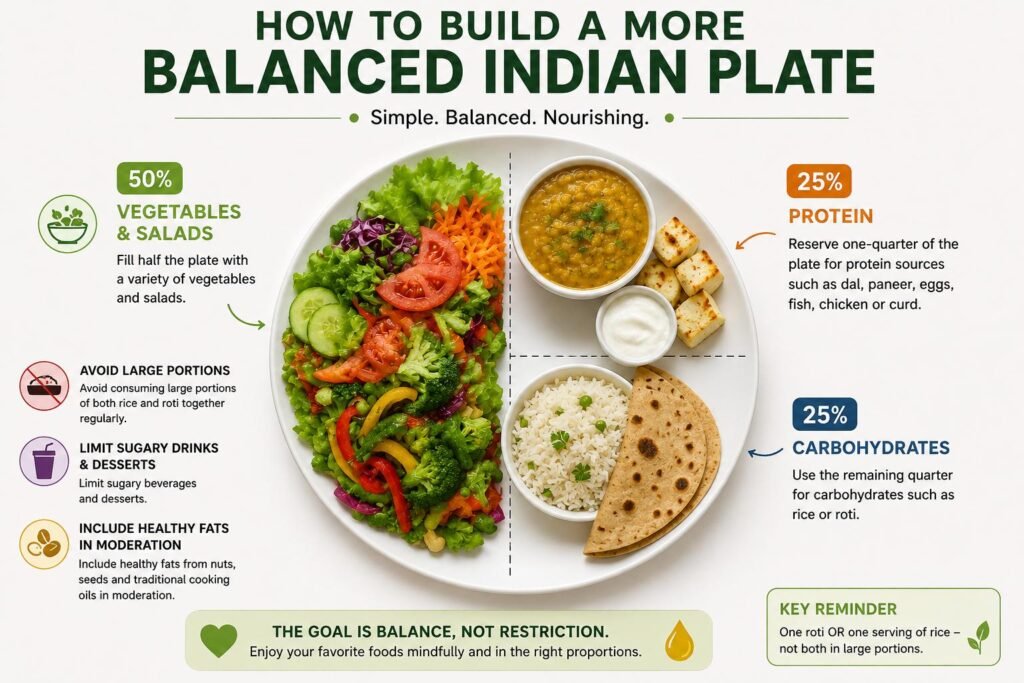
1. Balanced plates, not empty carbs Instead of a plate full of rice or extra rotis, meals are built around a mix of protein (dal, paneer, eggs, chicken, fish), fiber-rich vegetables, and a moderate portion of carbs.
2. Smart cooking swaps Simple changes like using less oil, steaming or grilling instead of deep frying, and choosing whole wheat over refined flour make a big difference over time.
3. Protein at every meal Indian diets are often low in protein. Adding dal, curd, paneer, sprouts, eggs, or lean meat to each meal helps control hunger and supports muscle while losing fat.
4. Timed, structured meals Eating at regular intervals instead of skipping meals and then overeating later helps keep blood sugar and hunger levels stable throughout the day.
5. Traditional foods, used wisely Foods like dal, curd, buttermilk, ragi, jowar, and seasonal vegetables are naturally nutrient-dense and diabetic and weight-loss friendly when portioned correctly.
Sample Indian Meal Plan for Weight Loss
Here’s a simple example of what a day on an indian meal plan for weight loss might look like. Keep in mind, an expert nutritionist will always customize this based on your specific body, goals, and health conditions.
| Meal | Example Options |
| Early Morning | Warm water with soaked methi seeds or 4-5 soaked almonds |
| Breakfast | Vegetable poha with peanuts, or moong dal chilla with mint chutney |
| Mid-Morning | A bowl of fresh fruit or buttermilk |
| Lunch | 1-2 rotis, dal, a portion of sabzi, salad, and curd |
| Evening Snack | Roasted chana, sprouts chaat, or a handful of nuts |
| Dinner | Grilled paneer or chicken with sautéed vegetables and a small portion of rice or roti |
This kind of structure keeps meals familiar and satisfying, while still supporting steady, sustainable weight loss.
Best Indian Foods for Weight Loss
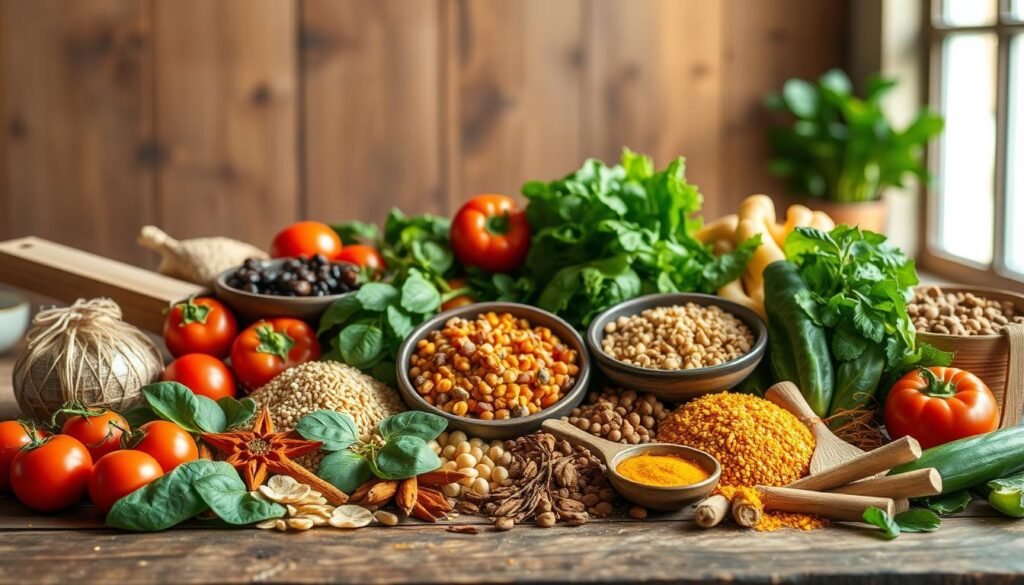
If you are wondering which indian food for weight loss works best, here are some staples worth including regularly:
- Dal (lentils) – high in protein and fiber, keeps you full longer
- Curd and buttermilk – supports digestion and gut health
- Leafy greens – like spinach, methi, and bathua, low in calories and rich in nutrients
- Whole grains – such as jowar, bajra, and ragi instead of refined flour
- Sprouts – an easy, protein-rich snack option
- Seasonal vegetables – lauki, tinda, turai, and other gourds are light and filling
- Paneer and eggs – excellent protein sources for vegetarians and non-vegetarians alike
Healthy Indian Recipes for Weight Loss You Can Try
You don’t need bland food to lose weight. Some simple, satisfying healthy indian recipes for weight loss include:
- Moong dal chilla with vegetables
- Vegetable dalia (broken wheat porridge)
- Palak paneer with less oil and no cream
- Sprouts and cucumber chaat with lemon
- Grilled tandoori chicken or paneer tikka
- Vegetable and dal khichdi with a side of curd
These recipes use everyday Indian ingredients, so there’s no need for expensive superfoods or hard-to-find items.
Why You Need an Expert to Personalize Your Indian Diet Plan

While these guidelines are a great starting point, everyone’s body responds differently. Factors like your age, activity level, medical history, and food preferences all affect what your ideal weight loss indian diet should look like. This is why working with an expert nutritionist matters. They can:
- Adjust portion sizes based on your calorie needs
- Factor in health conditions like thyroid, PCOS, or diabetes
- Recommend regional food swaps based on what’s easily available to you
- Track your progress and tweak the plan as your body changes
- Help you stay consistent without feeling deprived
If you’d like to explore how a customized plan is put together, our weight loss page walks you through the process in more detail.
Eat Indian, Lose Weight, Feel Great
Losing weight doesn’t mean saying goodbye to dal-chawal or your Sunday paneer sabzi. With the right structure, portion control, and a few smart swaps, indian weight loss is not only possible, it can be enjoyable too. The key is building a plan that respects your food culture while still supporting your health goals.
Curious what your personalized Indian diet plan could look like? Contact us to book a consultation with our expert nutritionist and start eating the food you love, the smarter way.