Living with a thyroid condition can make you wonder which foods are safe and which ones you should avoid. You may have heard that soy, gluten, cabbage, coffee, or iodised salt can affect thyroid health. But the truth is that there is no single food list that applies to everyone with a thyroid problem.
Your dietary needs can depend on whether you have hypothyroidism, hyperthyroidism, Hashimoto’s disease, Graves’ disease, or another thyroid condition. Iodine is especially important because the thyroid uses it to make thyroid hormones, but both too little and too much can cause problems in certain situations.
In this guide, we’ll cover what food to avoid in thyroid conditions, including foods that may need to be limited with hypothyroidism and the foods that are more important to avoid with hyperthyroidism.
How Diet Affects Thyroid Function
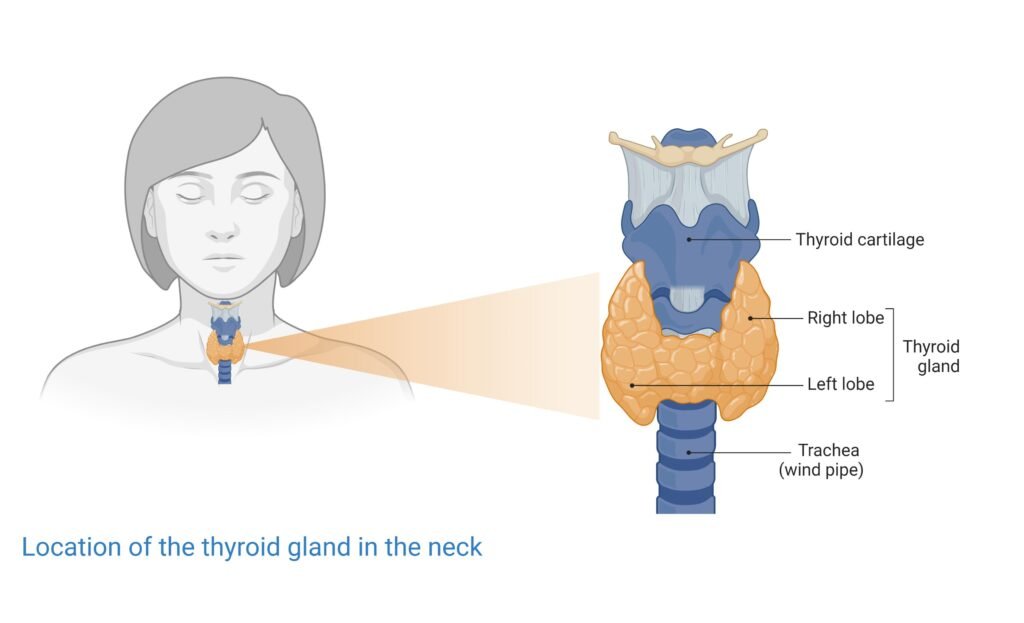
The thyroid gland is a small, butterfly-shaped gland in your neck. It produces thyroid hormones that help control how your body uses energy.
Diet can affect thyroid health in several ways, but food is only one part of thyroid management.
Iodine and thyroid hormones
The thyroid needs iodine to make thyroid hormones. This is why iodine is an important nutrient for normal thyroid function.
However, more iodine is not always better. Large amounts of iodine from foods such as seaweed or from iodine-containing supplements can worsen some thyroid conditions, particularly certain cases of hyperthyroidism and autoimmune thyroid disease.
What are goitrogens?
Goitrogens are naturally occurring compounds found in some foods that can interfere with the thyroid’s use of iodine under certain circumstances.
Cruciferous vegetables such as cabbage, cauliflower, broccoli, kale, and Brussels sprouts contain these compounds. However, this does not mean you need to completely remove these nutritious vegetables from your diet.
For most people, eating normal amounts of cooked cruciferous vegetables is not considered a reason to avoid them.
The bigger concern is consuming very large amounts of certain raw cruciferous vegetables, especially when iodine intake is already inadequate.
Thyroid Foods to Avoid: The Full List
There is no universal list of foods that every thyroid patient must completely avoid. Instead, some foods may need to be limited depending on your condition, medications, and overall diet.
Here are the main foods and beverages to pay attention to.
1. Raw Cruciferous Vegetables in Excess
Cruciferous vegetables include:
- Cabbage
- Broccoli
- Cauliflower
- Kale
- Brussels sprouts
- Turnip
- Bok choy
These foods contain goitrogenic compounds. Eating large amounts of raw cruciferous vegetables may affect thyroid hormone production in people who already have thyroid problems and inadequate iodine intake.
However, these vegetables are also rich in fibre, vitamins, minerals, and antioxidants. Cooking reduces the activity of many goitrogenic compounds.
So, instead of completely avoiding vegetables such as broccoli or cauliflower, focus on reasonable portions and a varied diet.
2. Soy Products in Large Amounts
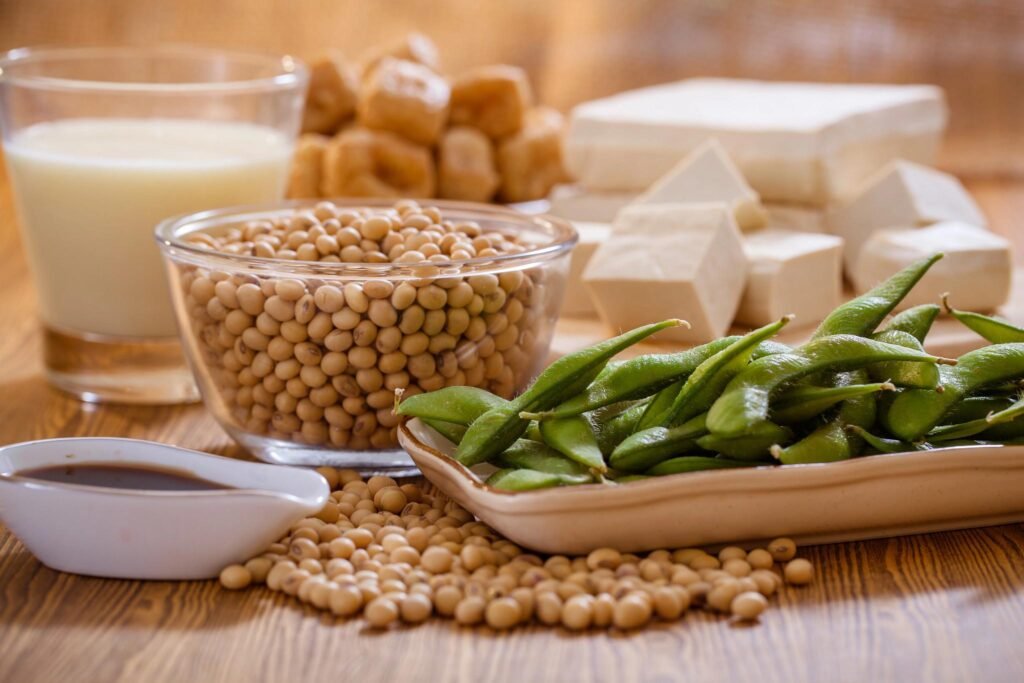
Soy foods include:
- Soy milk
- Tofu
- Soybeans
- Edamame
- Soy protein
- Soy-based supplements
Soy does not need to be completely avoided by everyone with hypothyroidism.
However, large amounts of soy may interfere with the absorption of thyroid medication in some circumstances. If you take levothyroxine, it is important to follow your healthcare professional’s instructions about when to take your medicine and when to eat soy-containing foods.
Soy can also be part of a low-iodine diet in specific situations, such as preparation for radioactive iodine treatment, where different restrictions apply.
3. Gluten-Containing Foods
Gluten is found in foods made with wheat, barley, and rye.
Common sources include:
- Bread
- Roti and naan made with wheat
- Pasta
- Biscuits
- Cakes
- Some breakfast cereals
Gluten does not need to be avoided by everyone with a thyroid condition.
A gluten-free diet is particularly important for people with celiac disease, which is more commonly associated with autoimmune thyroid conditions such as Hashimoto’s disease. Celiac disease can also affect the absorption of thyroid medication.
If you do not have celiac disease or another medically diagnosed reason to avoid gluten, there is generally no need to remove all gluten-containing foods simply because you have hypothyroidism.
4. Processed and Packaged Foods
Highly processed foods are not necessarily harmful to the thyroid directly, but eating too many of them can make it harder to maintain a balanced diet.
Examples include:
- Packaged snacks
- Chips
- Instant noodles
- Processed meats
- Packaged sweets
- Fast food
- Ready-to-eat meals
These foods may be high in sodium, unhealthy fats, added sugar, and calories while providing fewer nutrients.
For thyroid health and overall wellness, choose more whole and minimally processed foods.
5. Sugary Foods and Drinks
Foods high in added sugar include:
- Sweets
- Cakes
- Pastries
- Chocolates
- Sweetened cereals
- Soft drinks
- Sugary packaged juices
- Sweetened tea and coffee
You do not need to completely eliminate sugar because you have a thyroid condition. However, regularly consuming large amounts of added sugar can contribute to excess calorie intake and weight gain.
This can be especially relevant for people with hypothyroidism who are already struggling with weight management.
Choose fruit, unsweetened beverages, and minimally processed snacks more often.
6. Excess Caffeine
Coffee, strong tea, energy drinks, and some pre-workout products contain caffeine.
Caffeine does not automatically need to be eliminated if you have hypothyroidism. However, too much caffeine may contribute to symptoms such as nervousness, poor sleep, or a fast heartbeat.
These effects can be particularly uncomfortable for people with hyperthyroidism because the condition itself may cause symptoms such as nervousness, trouble sleeping, and a rapid or irregular heartbeat.
If you take thyroid medication, also follow your doctor’s instructions about the timing of coffee and your medication.
7. Fatty and Fried Foods
Examples include:
- Deep-fried snacks
- French fries
- Fried pakoras
- Fried fast food
- Highly processed meats
- Foods prepared with excessive oil
These foods do not directly “damage” the thyroid, but eating them frequently can contribute to excess calorie intake and poor overall diet quality.
A better approach is to choose grilled, steamed, baked, roasted, or lightly cooked foods more often.
8. Alcohol
Alcohol is not a specific thyroid food restriction for everyone, but excessive alcohol intake can negatively affect overall health and make it harder to maintain healthy eating and lifestyle habits.
If you have a thyroid condition, take thyroid medication, or have another health condition, ask your healthcare professional whether alcohol is appropriate for you.
Foods to Avoid With Hyperthyroidism Specifically
Hyperthyroidism occurs when the thyroid gland produces more thyroid hormone than the body needs.
Dietary advice can be different for hyperthyroidism because excess iodine can sometimes worsen the condition.
The thyroid uses iodine to produce thyroid hormones. Large amounts of iodine from foods such as kelp, dulse, and other seaweed can cause or worsen hyperthyroidism in some people, especially those with Graves’ disease or another autoimmune thyroid disorder.
High-Iodine Foods
If your doctor has advised you to restrict iodine, foods that may need attention include:
- Seaweed
- Kelp
- Dulse
- Seaweed-based supplements
- Iodine-containing supplements
- Some iodine-containing medicines
Do not start a strict low-iodine diet on your own. The amount of iodine restriction needed depends on your condition and treatment.
For example, a low-iodine diet is specifically used in some people preparing for radioactive iodine treatment, and the restrictions can be much stricter than the usual dietary advice for thyroid disease.
Iodised Salt
Iodised salt provides iodine and is an important source of iodine for many people.
However, someone with hyperthyroidism who has been specifically instructed by their doctor to follow a low-iodine diet may need to limit or avoid iodised salt during that period.
This does not mean everyone with hypothyroidism should avoid iodised salt.
Caffeine and Stimulants
If you have hyperthyroidism, you may already experience symptoms such as:
- Fast heartbeat
- Tremors
- Nervousness
- Irritability
- Trouble sleeping
Large amounts of caffeine from coffee, energy drinks, strong tea, and other stimulants may make some of these symptoms feel worse.
Reducing caffeine can therefore be useful if you notice that it increases your symptoms.
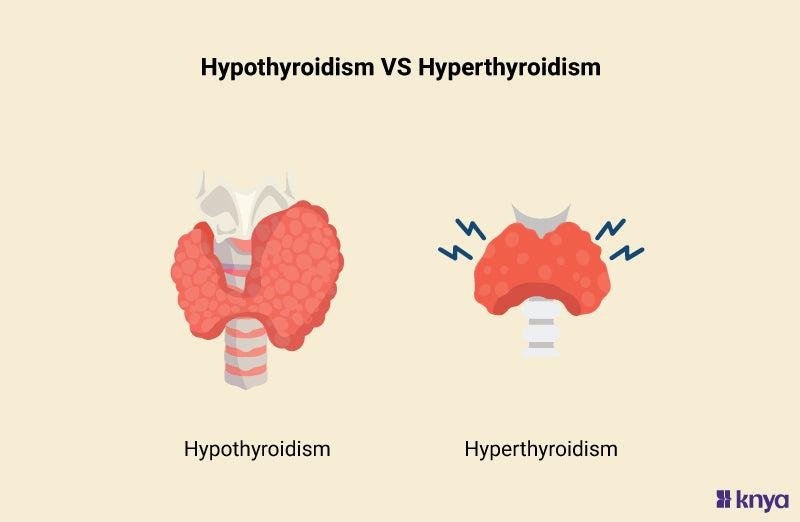
Hypothyroidism vs Hyperthyroidism: What Changes?
| Food or Beverage | Hypothyroidism | Hyperthyroidism |
| Seaweed/kelp | Avoid excessive amounts unless advised otherwise | May need to be limited because of high iodine |
| Iodised salt | Usually not automatically restricted | May need restriction during a prescribed low-iodine diet |
| Soy | Usually can be eaten in moderation | No universal restriction |
| Cruciferous vegetables | Normal cooked portions are generally fine | No universal restriction |
| Gluten | Avoid only if medically indicated, such as celiac disease | No universal restriction |
| Coffee/caffeine | Moderate intake may be possible | Limiting may help if symptoms worsen |
| Processed foods | Best limited for overall health | Best limited for overall health |
| Alcohol | Limit according to individual health needs | Limit according to individual health needs |
The most important point is that thyroid diet recommendations are condition-specific. Do not follow a strict food restriction list just because you have been diagnosed with a thyroid disorder.
Foods to Avoid With General Thyroid Problems and Conditions
Different thyroid conditions can require different dietary approaches.
Hashimoto’s disease
Hashimoto’s disease is an autoimmune condition that can cause hypothyroidism.
People with Hashimoto’s may be sensitive to excessive iodine. Large amounts of iodine from seaweed, iodine supplements, or certain iodine-containing medicines may worsen thyroid problems in some people.
However, this does not mean that all iodine-containing foods should be eliminated.
Graves’ disease
Graves’ disease is an autoimmune condition that can cause hyperthyroidism.
People with Graves’ disease may be sensitive to excess iodine. Large amounts of iodine from seaweed or iodine supplements may worsen hyperthyroidism in some cases.
Hypothyroidism
Hypothyroidism means the thyroid gland does not produce enough thyroid hormones.
For many people, treatment includes thyroid hormone replacement medication. Diet can support overall health, but it should not replace prescribed thyroid treatment.
If you take thyroid medication, medication timing is also important. Follow your doctor’s instructions carefully and tell them about supplements or major dietary changes.
Thyroid-Friendly Foods to Eat Instead
Rather than focusing only on what you cannot eat, build your meals around nutritious foods.
Protein-rich foods
Good choices include:
- Eggs
- Dal
- Beans
- Chickpeas
- Paneer
- Curd
- Fish
- Chicken
- Lean meat
- Nuts and seeds
Protein can help support muscle health and keep meals filling.
Vegetables
Include a variety of vegetables such as:
- Carrots
- Beans
- Spinach
- Pumpkin
- Bottle gourd
- Capsicum
- Tomatoes
- Cucumber
- Beetroot
Cooked cruciferous vegetables such as broccoli and cauliflower can also be included in reasonable portions for most people.
Whole grains
Depending on your individual needs, choose:
- Oats
- Brown rice
- Whole wheat
- Millets
- Quinoa
- Barley
Whole grains can provide fibre and other nutrients.
Fruits
Choose a variety of whole fruits such as:
- Apples
- Guava
- Oranges
- Papaya
- Berries
- Pomegranate
- Pears
- Bananas
Whole fruit is generally a better everyday choice than sugary fruit drinks.
Healthy fats
Include moderate amounts of:
- Almonds
- Walnuts
- Seeds
- Peanuts
- Avocado
- Vegetable oils
Portion size still matters because fats are calorie-dense.
Sample One-Day Thyroid-Friendly Meal Plan
There is no single meal plan that works for every person with a thyroid disorder. Your calorie, protein, iodine, and other nutritional needs depend on your health and medical condition.
Here is a simple example of a balanced Indian-style day:
Early morning:
Water, followed by your thyroid medicine if prescribed and according to your doctor’s instructions.
Breakfast:
Vegetable poha with a side of curd OR vegetable oats with eggs.
Mid-morning:
One whole fruit such as guava, apple, or orange.
Lunch:
2 rotis or a serving of rice + dal + cooked vegetables + salad + curd.
Evening snack:
Roasted chana or a small handful of nuts with unsweetened tea.
Dinner:
Grilled paneer/chicken/fish or dal + cooked vegetables + roti.
If hungry later:
A small portion of a suitable snack based on your individual dietary needs.
The goal is not to create a list of “perfect thyroid foods.” Instead, aim for balanced meals containing protein, vegetables, whole grains, healthy fats, and appropriate portions.
Frequently Asked Questions About Thyroid Foods to Avoid
What food should be avoided in thyroid patients?
There is no universal food list that every thyroid patient needs to follow.
People with certain thyroid conditions may need to limit excessive iodine, especially seaweed and iodine supplements. Other foods such as soy, gluten, and cruciferous vegetables do not automatically need to be eliminated.
Your diet should be based on your specific thyroid condition and medical advice.
Can thyroid patients eat soy?
Yes, many people with thyroid conditions can eat soy.
However, if you take thyroid medication, ask your doctor or dietitian about the timing of soy-containing meals because soy may affect medication absorption. A separate low-iodine diet may also have specific soy restrictions during radioactive iodine treatment.
Can thyroid patients eat dairy?
Dairy foods such as milk, curd, and paneer can be part of a balanced diet for many people with thyroid problems.
However, individual needs can vary. If you have lactose intolerance, another digestive condition, or a specific dietary restriction, you may need suitable alternatives.
Can thyroid patients eat gluten?
Most people with thyroid disorders do not need to avoid gluten automatically.
A gluten-free diet is necessary for people with celiac disease. Celiac disease can occur alongside autoimmune thyroid conditions and may affect the absorption of thyroid medication.
Is coffee bad for thyroid?
Coffee is not automatically bad for people with thyroid disease.
However, caffeine can worsen symptoms such as nervousness, tremors, or rapid heartbeat in some people with hyperthyroidism. If you take thyroid medication, follow your healthcare professional’s instructions about medication and coffee timing.
What is the difference between a hypothyroidism and hyperthyroidism diet?
The biggest difference is the role of iodine.
People with hyperthyroidism, particularly those with Graves’ disease, may need to limit excessive iodine because large amounts can worsen the condition. People with hypothyroidism should not automatically avoid iodine because the thyroid needs it to produce hormones.
The correct diet depends on the underlying thyroid condition, treatment, and individual nutritional needs.
Should I stop eating cabbage and broccoli if I have thyroid problems?
Not necessarily.
Cabbage, broccoli, cauliflower, and other cruciferous vegetables can still provide valuable nutrients. Eating normal portions, particularly when cooked, is generally different from consuming very large amounts of raw cruciferous vegetables.
Instead of removing these vegetables completely, focus on variety and moderation.
Should I take iodine supplements for thyroid health?
Do not start iodine supplements without medical advice.
Too much iodine can cause or worsen thyroid problems in some people, particularly those with autoimmune thyroid conditions. Seaweed-based supplements can also contain very high amounts of iodine.
A Balanced Approach to Thyroid Nutrition
When it comes to thyroid foods to avoid, there is no one-size-fits-all list.
Some foods may need to be limited depending on whether you have hypothyroidism, Hashimoto’s disease, hyperthyroidism, Graves’ disease, or are following a specific low-iodine diet for medical treatment.
In general, focus on a balanced diet that includes vegetables, fruits, protein-rich foods, whole grains, healthy fats, and minimally processed foods. Be particularly careful with excessive iodine from seaweed and supplements if your healthcare professional has advised you to restrict iodine.
Foods such as soy, gluten, broccoli, and cabbage should not automatically be labelled as “bad” for everyone with thyroid disease.
If you have a thyroid condition, your diet should complement—not replace—your medical treatment. A qualified dietitian or endocrinologist can help you understand which foods to limit and create a personalised thyroid-friendly diet plan based on your condition, medication, lifestyle, and nutritional needs. With over 13 years of clinical experience in nutrition and dietetics, Dt. Richa Doshi takes a personalised approach to thyroid nutrition, considering each individual’s health history, lifestyle, food preferences, and goals. If you are looking for individualised guidance, you can also consult a dietician for thyroid in Mumbai for a practical diet plan suited to your specific needs.