
Ever feel tired for no reason? Or notice your hair falling more than usual? These small signs often get ignored. But they can point to something bigger — a vitamin or mineral deficiency.
Your body needs these nutrients every day. When it doesn’t get enough, it starts to show you. Let’s look at what those signs are, and what they mean.
Why Deficiencies Happen in the First Place
Most people think deficiency only happens from eating too little. That’s not the full story.
It can also happen because of:
- Skipping meals or eating the same foods daily
- Poor digestion, so your gut can’t absorb nutrients well
- High stress, which uses up nutrients faster
- Certain medicines that block absorption
- Restrictive diets that cut out full food groups
If your gut isn’t absorbing nutrients well, even a healthy diet won’t help much. A gut health specialist can check if this is part of your problem.
Deficiency of Vitamins and Minerals: Common Symptoms
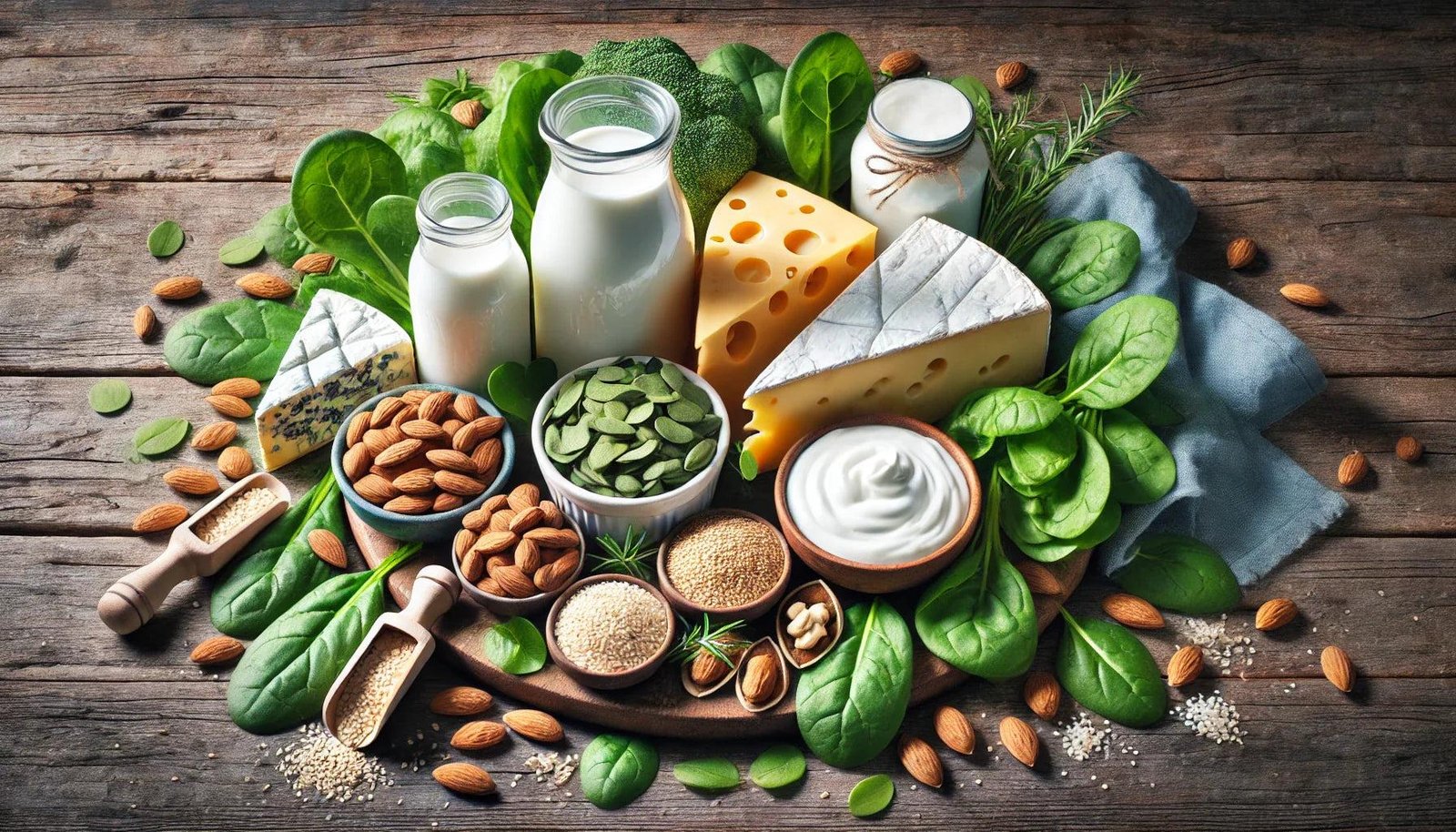
Here’s a simple breakdown of the deficiency of vitamins and minerals symptoms, grouped by nutrient, so it’s easier to spot your own signs.
Low on Vitamin D
- Tired all the time
- Bone or back pain
- Feeling low or moody
- Getting sick often
Low on Vitamin B12
- Numbness or tingling in hands and feet
- Pale skin
- Memory trouble
- Weak, tired body
Low on Iron
- Constant fatigue
- Shortness of breath
- Cold hands and feet
- Brittle nails
Low on Vitamin C
- Bleeding gums
- Slow wound healing
- Dry, rough skin
- Frequent bruising
Low on Folate
- Mouth sores
- Weakness
- Poor concentration
Vitamin Deficiency Signs on Your Skin and Hair
Your skin and hair often show the first vitamin deficiency signs, even before you feel unwell inside.
Watch for:
- Hair thinning or excess hair fall
- Dry, flaky, or dull skin
- Nails that break easily
- Cracks at the corners of your mouth
- Slow-healing cuts or wounds
These signs are common, but they’re often brushed off as “just how my hair or skin is.” In reality, your body may be asking for more nutrients. A dietitian for skin and hair health can help find out which nutrients you’re missing.
Symptoms of Mineral Deficiency You Shouldn’t Miss
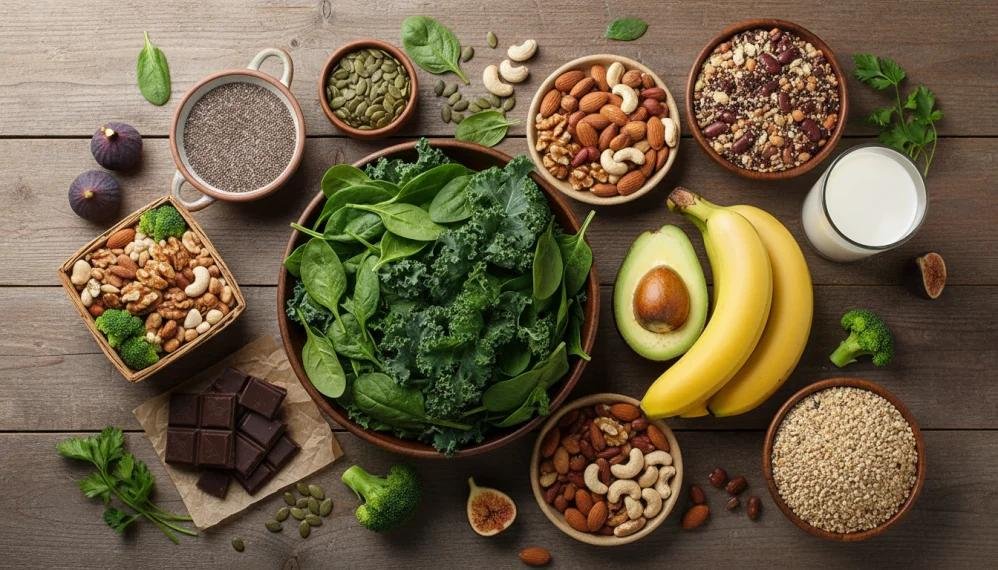
Minerals work quietly in the background. When they run low, your whole body feels it.
Common symptoms of mineral deficiency include:
- Low calcium: Muscle cramps, weak bones, brittle nails
- Low magnesium: Sleep trouble, muscle twitches, headaches
- Low zinc: Slow healing, frequent colds, low appetite
- Low potassium: Muscle weakness, irregular heartbeat, fatigue
- Low iodine: Weight changes, tiredness, neck swelling
Iodine and thyroid health are closely linked. If you notice these signs along with fatigue or weight changes, it may be worth checking your thyroid health too.
What Happens When You Have Too Little Minerals
You might wonder, what happens when you have too little minerals in your body over time? It’s not just about feeling “a bit off.”
Left unchecked, mineral deficiency can lead to:
- Weak bones that break easily
- Constant low energy that affects daily life
- Poor sleep and mood swings
- A weaker immune system
- Hormonal imbalance in some cases
Small gaps, ignored for months or years, can turn into bigger health problems. That’s why catching the signs early matters so much.
Mineral Imbalance Symptoms vs. Deficiency Symptoms
It’s worth knowing the difference here. A deficiency means you have too little of something. An imbalance means your minerals are out of proportion with each other, even if none are technically “too low.”
Common mineral imbalance symptoms include:
- Sudden muscle cramps or spasms
- Irregular heartbeat
- Ongoing fatigue despite rest
- Mood swings or brain fog
- Water retention or bloating
Imbalances often happen alongside hormone issues. If you’re also dealing with mood swings, weight changes, or irregular cycles, it may help to look at your hormonal health as a whole, not just one nutrient at a time.
How to Fix These Gaps Naturally

The good news is, most deficiencies can be corrected with the right foods and habits:
- Add colorful fruits and vegetables to every meal
- Include dairy or fortified foods for calcium and vitamin D
- Eat more nuts, seeds, and whole grains for magnesium and zinc
- Get 15–20 minutes of sunlight most days
- Fix gut issues first, so nutrients actually get absorbed
Supplements can help in some cases. But food-first habits, built around your body’s needs, tend to work better long term.
When It’s Time to See a Dietitian
If these symptoms sound familiar and they’ve been around for weeks, it’s worth getting checked properly. A simple blood test, paired with expert guidance, can show exactly what your body needs.
Dt. Richa Doshi has helped thousands of clients close these nutrition gaps with real, sustainable food plans — not random supplements. Book your consultation today and let’s find out what your body has been trying to tell you.
Quick Answers
How do I know if I have a vitamin or mineral deficiency? Common clues include ongoing fatigue, hair fall, pale skin, poor sleep, or slow healing. A blood test confirms it clearly.
Can deficiencies be reversed with diet alone? Yes, in most mild to moderate cases, the right foods can restore your levels over a few months.
Which deficiency is most common? Vitamin D, B12, and iron deficiencies are among the most common, especially in people with poor diets or gut issues.
Should I take supplements without a test? It’s better to test first. Taking the wrong supplement, or too much of one, can cause its own problems.