Bloating, irregular bathroom visits, constant hunger pangs even after a full meal — if any of this sounds familiar, your fiber intake might be the missing piece. Fiber is one of those nutrients that doesn’t get nearly as much attention as protein or vitamins, but it plays a huge role in how your gut feels day to day.
If you’ve been wondering how to increase fiber intake without making your meals feel boring or restrictive, this guide will walk you through everything step by step, from the why to the how, plus a few specific foods worth knowing about.
Why Fiber Matters for Gut Health
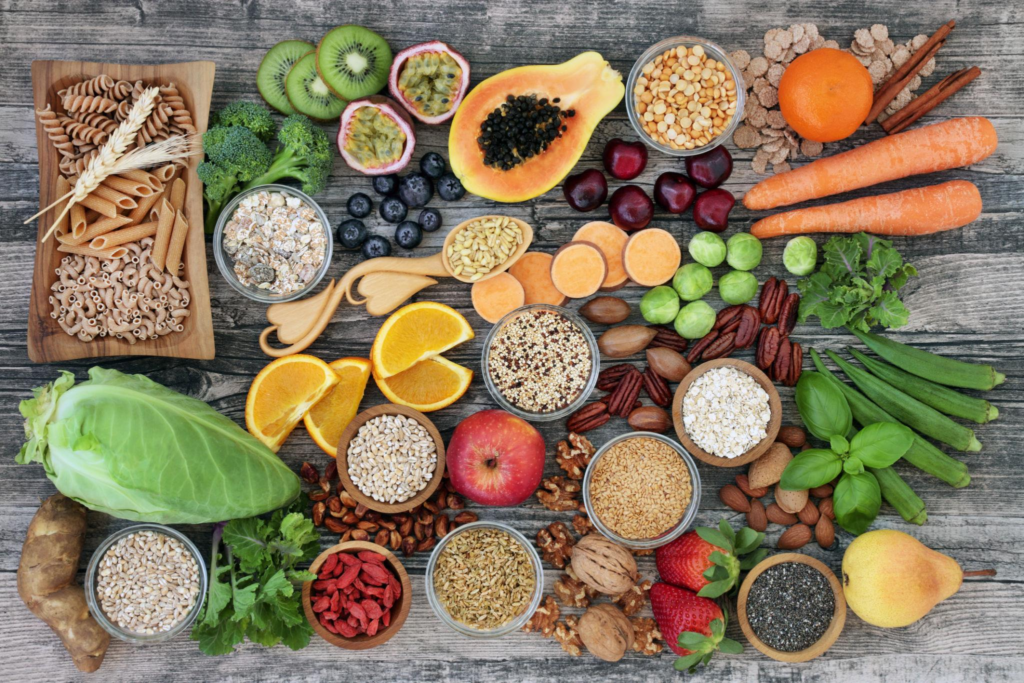
Fiber is a type of carbohydrate that your body can’t fully digest. Instead of being broken down for energy like other carbs, it moves through your digestive system mostly intact, and that’s exactly what makes it so useful.
Here’s what fiber does for your gut:
- It adds bulk to stool, which helps prevent constipation and keeps things moving regularly.
- It feeds the good bacteria living in your gut, helping your microbiome stay balanced and diverse.
- It slows down digestion, which keeps you feeling full longer and helps manage blood sugar spikes.
- It supports the gut lining, which plays a role in immunity and overall digestive comfort.
Most adults need around 25 to 30 grams of fiber a day, but many people fall short without realizing it. If you’re dealing with ongoing digestive discomfort, it’s worth looking at your fiber intake first before assuming something more serious is going on. For a deeper look at how diet connects to digestive issues like bloating and irregular bowel movements, you can check out our gut health nutrition page.
How to Increase Fiber Intake Without Overdoing It
One common mistake people make when trying to increase fiber intake is going from very little fiber to a lot of fiber overnight. This can backfire, causing gas, cramping, and discomfort. Instead, try these simple steps:
1. Increase gradually. Add one extra fiber-rich food every few days instead of overhauling your whole diet at once. This gives your gut bacteria time to adjust.
2. Drink more water. Fiber needs water to do its job properly. Without enough fluids, increasing fiber can actually make constipation worse instead of better.
3. Eat the skin and peel when possible. A lot of fiber sits in the skins of fruits and vegetables, like apples, cucumbers, and potatoes. Washing well and eating the skin is an easy way to get more fiber without extra effort.
4. Swap refined grains for whole grains. Choose brown rice over white rice, whole wheat roti over plain flour roti, and whole grain bread over white bread.
5. Add legumes to your meals. Beans, lentils, chickpeas, and rajma are some of the richest sources of fiber and also bring in protein, making them a great addition to lunch or dinner.
6. Snack smarter. Instead of reaching for chips or biscuits, try fruit, roasted chana, or a small bowl of mixed nuts and seeds.
7. Don’t forget vegetables at every meal. Even a small side of sautéed vegetables or a salad adds up over the day.
High Fiber Foods for Kids
Getting kids to eat enough fiber can feel like an uphill battle, especially if they’re picky eaters. But fiber is just as important for children as it is for adults, supporting healthy digestion, regular bowel movements, and even helping them feel satisfied between meals.
Here are some high fiber foods for kids that are usually easier to introduce:
- Fruits like apples, pears, bananas, and berries – naturally sweet, so they’re often an easy win.
- Vegetables hidden in familiar dishes – grated carrots in parathas, spinach in dal, or pureed vegetables in pasta sauce.
- Whole grain options – swapping white bread for whole wheat, or white rice for brown rice, slowly so kids get used to the taste and texture.
- Popcorn (plain, air-popped) – a fun, crunchy snack that’s surprisingly high in fiber.
- Oats – great for breakfast, especially when sweetened naturally with fruit instead of sugar.
- Roasted chickpeas or peanuts – a crunchy snack that also adds protein.
The key with kids is to introduce these foods gradually and pair new options with foods they already enjoy. Forcing big changes all at once usually backfires, but small, consistent tweaks over time tend to stick.
Chicory Root Fiber: What’s the Buzz About?
You may have noticed “chicory root fiber” listed on the packaging of certain snacks, cereals, or protein bars lately. Chicory root is a plant whose root is naturally rich in a type of fiber called inulin.
Inulin is what’s known as a prebiotic fiber, meaning it acts as food for the good bacteria in your gut. Some potential benefits of chicory root fiber include:
- Supporting the growth of beneficial gut bacteria like bifidobacteria
- Helping improve regularity
- Adding fiber to foods without significantly changing taste or texture
That said, chicory root fiber can cause bloating or gas in some people, especially in larger amounts, since it ferments in the gut. If you’re trying a product with added chicory root fiber for the first time, it’s a good idea to start with a small portion and see how your body responds. As with most things related to gut health, what works well for one person may not feel as comfortable for another, so it’s worth paying attention to your own response.
Dietary Fiber in Raspberries
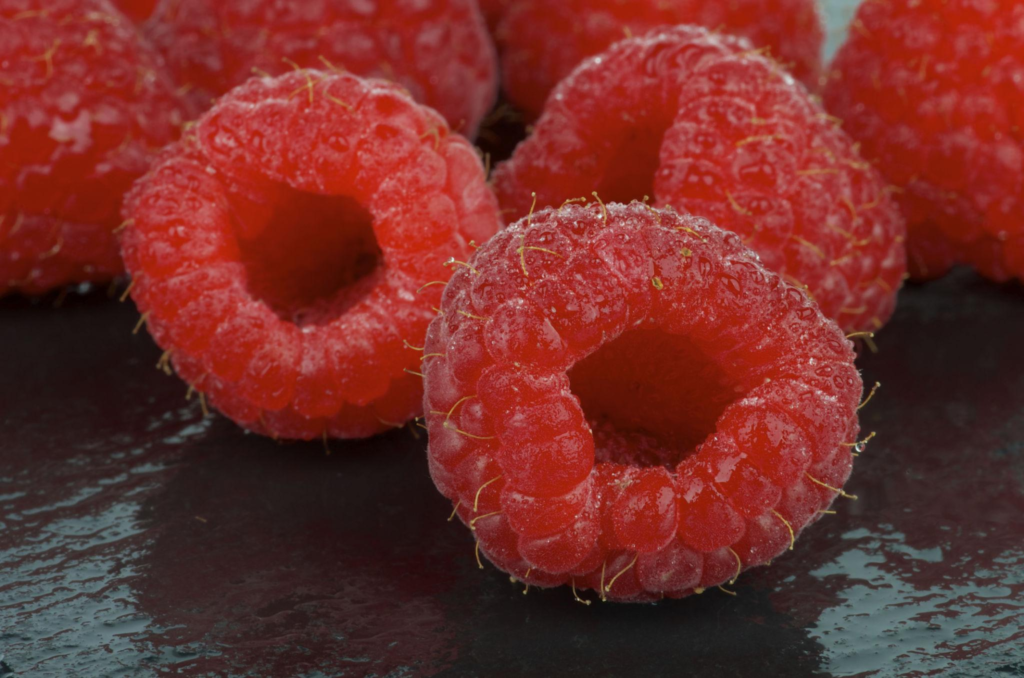
If you’re looking for a naturally sweet way to boost your fiber, raspberries are hard to beat. They’re one of the higher fiber fruits you can easily add to your diet, and they come with the added bonus of antioxidants and vitamin C.
A cup of raspberries contains roughly 8 grams of fiber, which is a meaningful chunk of your daily target from a single serving. Most of this fiber comes from the seeds and skin, so eating raspberries whole (rather than juiced) gives you the full benefit.
Some easy ways to enjoy the fiber in raspberries:
- Add a handful to your morning oats or yogurt
- Blend them into a smoothie along with other fruits and a spoon of seeds
- Toss them into a salad for a sweet, tangy contrast
- Simply eat them on their own as a snack
Because raspberries are naturally sweet and easy to eat, they’re also a good option if you’re trying to introduce more fiber-rich foods for kids without much resistance.
A Few Things to Keep in Mind
While increasing fiber generally supports better digestion, it’s not a one-size-fits-all solution. People with certain digestive conditions, like IBS, may need to be more careful about the type and amount of fiber they consume, since some high fiber foods can worsen symptoms for certain individuals.
If you’ve made changes to your diet and you’re still struggling with bloating, irregular digestion, or discomfort, it may help to work with a professional who can look at your specific situation rather than relying on general advice alone.
Building Better Gut Health, One Step at a Time
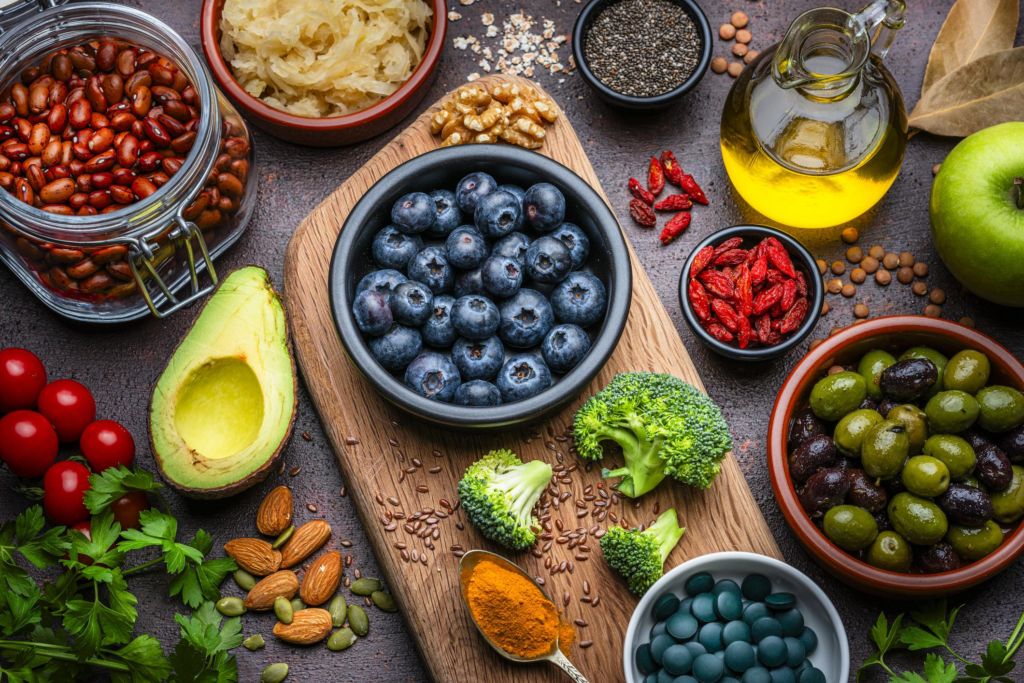
Improving your fiber intake doesn’t require a complete change in the way you eat. Simple adjustments, such as including more fruits, vegetables, whole grains, nuts, seeds, and legumes in your daily meals, can gradually support better digestion and overall gut health. Fiber-rich foods like raspberries offer an easy and delicious way to boost your intake, while options such as chicory root fiber may provide additional benefits for some individuals.
The key is finding a balance that works for your body and lifestyle. If you’re looking for personalized guidance, Dietician Richa Doshi and her team can help create a practical, fiber-rich nutrition plan tailored to your health goals, preferences, and routine. With the right support, building healthier habits can feel achievable and sustainable for the long term.