Have you ever looked in the mirror and wished your skin had that natural “lit from within” glow, or that your hair felt thicker and stronger instead of dull and brittle? Before you reach for another expensive serum or supplement, it’s worth looking at what’s on your plate. The truth is, healthy skin and hair start from the inside, and one of the biggest players in this story is collagen.
In this guide, we’ll break down what collagen actually is, why it matters so much for your skin and hair, and how you can build a simple, balanced diet that helps your body produce more of it naturally.
What Is Collagen?
Collagen is a protein, and it’s actually the most abundant protein in your body. Think of it as the “glue” that holds everything together. It’s found in your skin, hair, nails, bones, joints, and even your gut lining.
Collagen gives your skin its structure, elasticity, and that plump, youthful look. In your hair, it supports the strength of the strands and the health of your scalp. As you age, your body naturally produces less collagen, which is why skin can start to look thinner or saggier, and hair may become weaker or thinner over time.
The good news? While you can’t stop this process completely, you can support your body’s natural collagen production through the foods you eat every day. That’s where a smart diet for glowing skin comes in.
Diet for Glowing Skin: The Basics
A diet for glowing skin isn’t about following a strict, complicated plan. It’s about consistently feeding your body the nutrients it needs to repair, renew, and protect your skin from the inside out.
Here are the key building blocks your body needs to make collagen:
- Protein: Collagen is made up of amino acids, especially glycine, proline, and lysine. Foods like eggs, paneer, dal, chicken, and fish give your body the raw material it needs.
- Vitamin C: This vitamin is essential for collagen synthesis. Without enough vitamin C, your body simply can’t make collagen efficiently, no matter how much protein you eat. Citrus fruits, amla, guava, bell peppers, and strawberries are great sources.
- Zinc and Copper: These minerals act as helpers in the collagen-building process. Nuts, seeds, whole grains, and legumes are good sources.
- Antioxidants: Found in colorful fruits and vegetables, antioxidants protect existing collagen from damage caused by sun exposure, pollution, and stress.
If you’re also dealing with hair fall or thinning hair, you’ll be glad to know that many of these same foods support a healthy diet for hair growth too. Skin and hair health are closely connected, and improving your diet often benefits both at the same time. If you’d like to read more about how this connection works, take a look at our detailed page on skin and hair health.
Top Collagen-Boosting Foods to Add to Your Plate
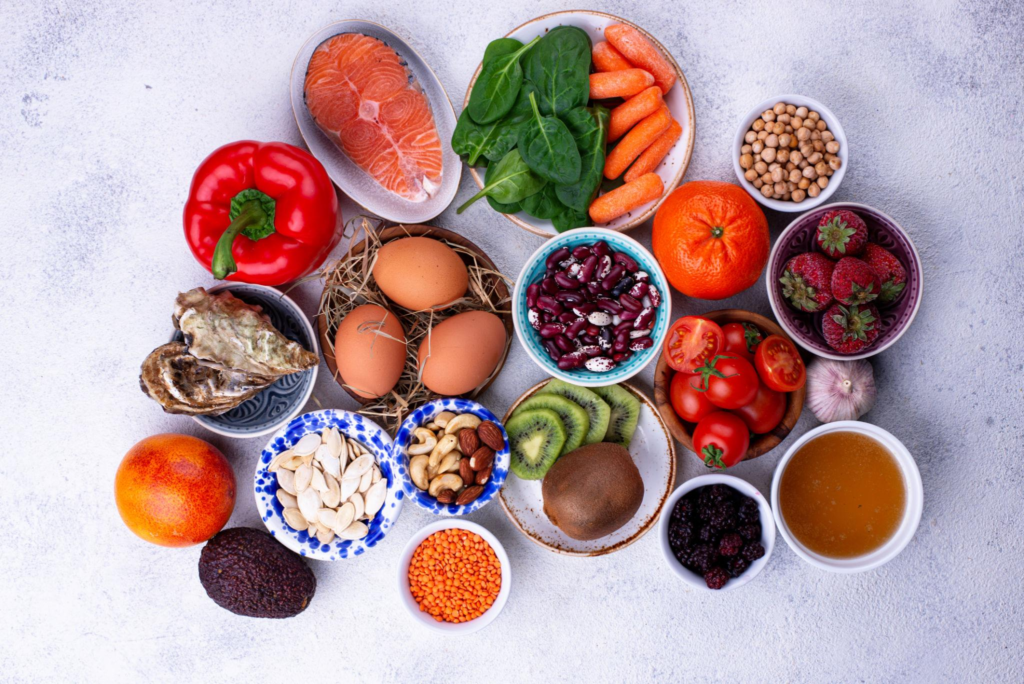
Let’s get specific. Here are some everyday foods that can help support collagen production naturally:
1. Eggs: Eggs are rich in protein and contain proline, an amino acid that’s a key building block of collagen. They’re easy to add to breakfast, salads, or sandwiches.
2. Citrus Fruits (Oranges, Lemons, Amla): These are packed with vitamin C, which is non-negotiable for collagen production. A simple glass of amla juice or a squeeze of lemon in your water can go a long way.
3. Bone Broth: Bone broth is naturally rich in collagen itself, along with minerals that support skin and joint health. A warm cup can be a comforting addition to your routine, especially in winter.
4. Berries: Strawberries, blueberries, and raspberries are loaded with antioxidants and vitamin C, helping protect your skin from damage while supporting collagen synthesis.
5. Leafy Greens: Spinach, methi, and other leafy greens provide vitamin C, iron, and antioxidants that support both skin repair and hair growth.
6. Nuts and Seeds: Almonds, walnuts, flaxseeds, and sunflower seeds are great sources of zinc, vitamin E, and healthy fats, all of which support skin elasticity and hair strength. We’ve covered some excellent options for daily seed intake in our blog on healthy seeds you should eat, which pairs nicely with a collagen-friendly diet.
7. Garlic: Garlic contains sulfur, which is needed to make collagen, along with other compounds that help repair damaged collagen fibers.
8. Fish and Seafood: Fatty fish like salmon and mackerel are rich in omega-3 fatty acids, which help keep your skin’s barrier strong and hydrated, reducing dryness and dullness.
9. Tomatoes: Tomatoes are rich in lycopene, an antioxidant that helps protect your skin from sun damage and supports overall skin health.
10. Soy Products: Soy contains compounds called isoflavones, which may help boost collagen production and improve skin elasticity, especially as we get older.
A Simple Diet Plan for Glowing Skin
You don’t need to overhaul your entire lifestyle overnight. A realistic diet plan for glowing skin can be built around small, consistent changes. Here’s a simple framework you can follow:
- Morning: Start your day with warm water and lemon, or a glass of amla juice, to kickstart your vitamin C intake.
- Breakfast: Include a source of protein like eggs, paneer, or sprouts, along with a serving of fruit such as berries or oranges.
- Mid-Morning Snack: A handful of nuts and seeds, like almonds, walnuts, or flaxseeds.
- Lunch: A balanced plate with dal or lean protein, a generous portion of leafy greens or colorful vegetables, and whole grains like brown rice or roti.
- Evening Snack: Fresh fruit, a vegetable salad, or roasted seeds.
- Dinner: Include fish or soy-based protein with steamed or lightly cooked vegetables. A small bowl of bone broth-based soup can be a nice addition here too.
Staying hydrated throughout the day is just as important. Water helps transport nutrients to your skin cells and keeps your skin looking plump and fresh.
Diet Chart for Glowing Skin: A Quick Reference
If you prefer something visual, here’s a simple diet chart for glowing skin you can keep handy:
| Meal | What to Include |
| Early Morning | Warm water with lemon or amla juice |
| Breakfast | Eggs/paneer + fruit (berries, orange, guava) |
| Mid-Morning | Almonds, walnuts, or flaxseeds |
| Lunch | Dal/fish/chicken + leafy greens + whole grains |
| Evening | Fresh fruit or vegetable salad |
| Dinner | Soy/fish + steamed vegetables + bone broth soup (optional) |
This isn’t a one-size-fits-all chart, of course. Everyone’s body, lifestyle, and nutritional needs are different, which is why a personalized plan often works best. Our founder, dietician Richa Doshi, and her team specialize in creating customized nutrition plans for healthier skin and hair. If you’d like guidance tailored specifically to your goals, our nutritionist for skin and hair page explains how we can help.
Balanced Diet for Hair Growth: Don’t Forget Your Hair
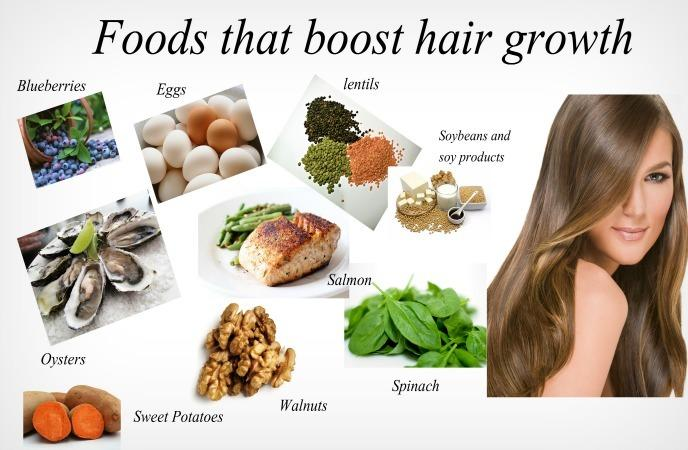
While we’ve focused a lot on skin, it’s worth repeating that a balanced diet for hair growth shares many of the same building blocks. Your hair follicles need a steady supply of protein, iron, zinc, biotin, and omega-3 fatty acids to grow strong, healthy strands.
If you’re noticing more hair fall than usual, dullness, or slow growth, it could be a sign that your diet is missing some of these key nutrients. Rather than relying only on hair oils and serums, addressing your nutrition from within can make a noticeable difference over time.
Final Thoughts
Glowing skin and strong, healthy hair aren’t just about good genes or expensive products. A big part of the picture comes down to what you eat every day. By focusing on collagen-boosting foods, vitamin C-rich fruits, healthy fats, and a generally balanced diet, you’re giving your body the tools it needs to repair and renew itself naturally.
Small, consistent changes to your meals can add up to real results over time. And if you’d like personalized support in building a diet plan for glowing skin and healthy hair that fits your lifestyle, feel free to reach out to Dietician Richa Doshi and her team. We’d be happy to help you create a plan that works for you.