
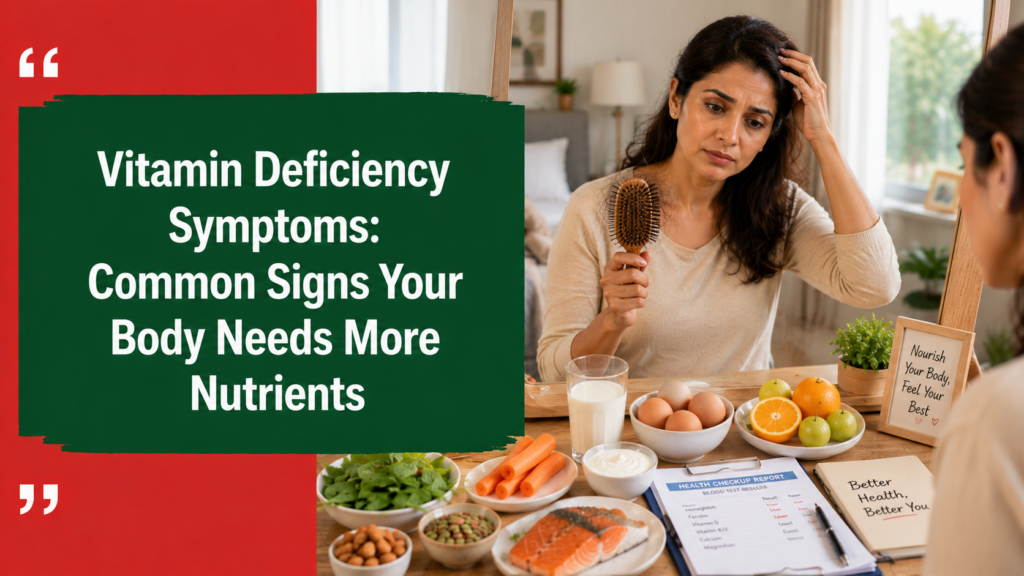
You’re eating every day. Three meals, maybe a snack or two. So why does your body still feel off?
The truth is — eating enough and eating right are two very different things. Millions of people walk around with low-grade nutrient deficiencies without realizing it. The symptoms are easy to brush off: “I’m just tired,” “maybe I’m stressed,” “it’s probably the weather.” But often, your body is quietly signaling that it’s running low on something essential.
This blog breaks down the most common signs of vitamin and mineral deficiency — in plain, simple language — so you know what to look out for and what to do next.
Why Nutrient Deficiencies Are More Common Than You Think
Even people who eat well can develop deficiencies. Here’s why:
- Poor gut absorption — if your gut isn’t healthy, it can’t absorb nutrients properly even if you’re eating them
- Restrictive diets — cutting out food groups means cutting out nutrients
- Busy lifestyles — skipping meals, eating processed food, relying on takeout
- Medical conditions — thyroid issues, diabetes, PCOS, and digestive disorders often affect how your body uses nutrients
- Age and hormones — your body’s needs change over time
If you have any of these factors in play, it’s worth paying attention to the signs below.
1. Iron Deficiency Symptoms
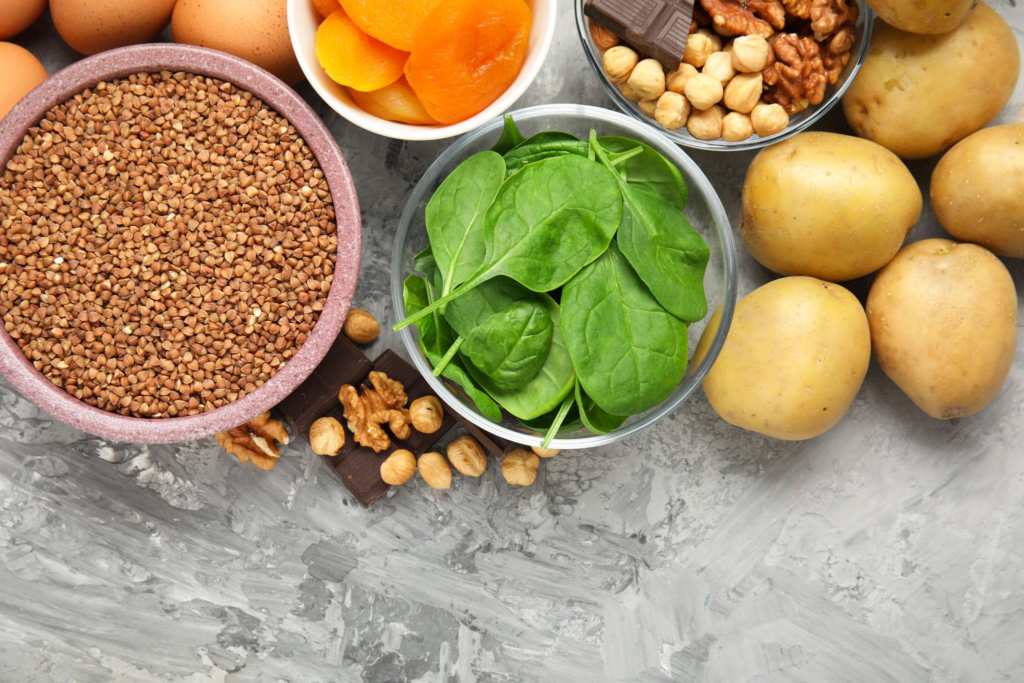
Iron is one of the most common deficiencies worldwide — especially among women, children, and vegetarians.
What iron does: It helps make hemoglobin, the protein in red blood cells that carries oxygen throughout your body.
Signs of iron deficiency:
- Constant tiredness and weakness, even after a full night’s sleep
- Pale or yellowish skin
- Shortness of breath during routine tasks
- Dizziness or frequent headaches
- Cold hands and feet
- Brittle nails or hair fall
- Craving non-food items like ice, mud, or chalk (this is called pica)
- Restless legs at night
Iron deficiency, if left unaddressed, can progress into iron deficiency anemia, where your body literally can’t get enough oxygen to your organs. This is especially concerning during pregnancy and for growing children.
Foods that help: Spinach, lentils (dal), rajma, tofu, jaggery, sesame seeds, and lean meats. Pair iron-rich foods with Vitamin C (lemon juice, amla) to boost absorption.
Note: If you experience heavy periods, poor gut health, or a demanding physical lifestyle, your iron needs are higher. It’s worth getting your ferritin and hemoglobin tested.
2. Calcium Deficiency Signs
Most people think calcium is just about strong bones. It’s actually critical for muscle function, nerve signals, and even your heartbeat.
Signs of calcium deficiency:
- Muscle cramps, especially in the legs and feet
- Numbness or tingling in fingers
- Weak, brittle nails
- Tooth decay or weakened enamel
- Feeling confused or foggy
- Irregular heartbeat in severe cases
- Bone pain or frequent fractures
Over time, low calcium quietly weakens your bones — a condition called osteopenia, which can progress to osteoporosis.
Who’s at risk: Women (especially post-menopausal), those who avoid dairy, people with low Vitamin D (since Vitamin D is needed to absorb calcium), and anyone with poor gut health.
Foods that help: Milk, curd, paneer, ragi (finger millet), sesame seeds, dark leafy greens like amaranth and drumstick leaves, and fortified plant milks.
If you’re dealing with hormonal imbalances or PCOS, calcium levels are something to keep an eye on — hormones directly affect how your body uses calcium. Learn more about how hormonal imbalances affect your nutrition.
3. Magnesium Deficiency Symptoms
Magnesium is involved in over 300 biochemical reactions in the body — and yet it’s one of the most overlooked minerals in everyday diets.
Signs of magnesium deficiency:
- Muscle twitches, cramps, or spasms
- Trouble falling or staying asleep
- Anxiety, irritability, or low mood
- Fatigue that doesn’t improve with rest
- Headaches or migraines
- Irregular heartbeat
- High blood pressure
- Constipation
Because magnesium helps regulate both the nervous system and blood sugar, its deficiency often overlaps with symptoms of stress, poor sleep, and insulin resistance.
Who’s at risk: People under chronic stress, those with diabetes, individuals who eat a lot of processed food, heavy coffee or alcohol drinkers, and those with digestive conditions.
Foods that help: Almonds, cashews, pumpkin seeds, dark chocolate, leafy greens like spinach, whole grains, and bananas.
If you’re managing diabetes and experiencing unexplained fatigue or cramping, magnesium might be part of the picture. Talk to a dietitian as part of your diabetes care plan.
4. Vitamin D Deficiency
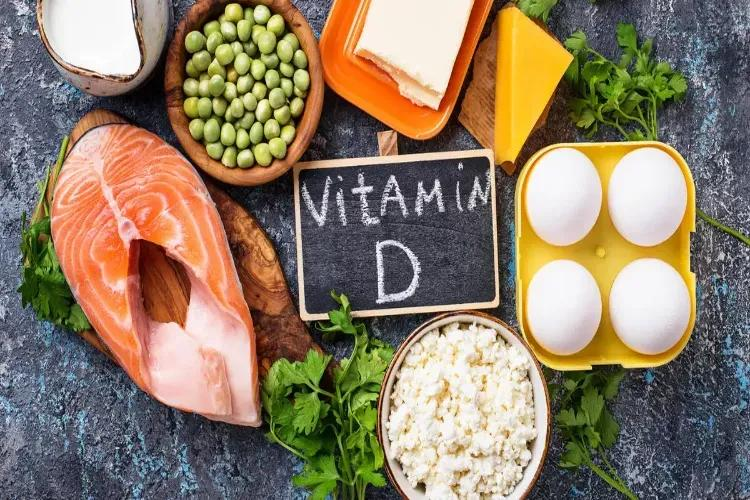
Vitamin D is often called the “sunshine vitamin” — and despite India getting plenty of sun, deficiency is incredibly widespread here.
Signs of Vitamin D deficiency:
- Persistent fatigue
- Bone pain or achiness, especially in the back
- Frequent illness or infections (Vitamin D supports immunity)
- Depression or low mood
- Muscle weakness
- Hair fall
- Slow wound healing
Vitamin D is essential for calcium absorption — so if your Vitamin D is low, your calcium levels will suffer too, regardless of how much dairy you eat.
Who’s at risk: People who spend most of the day indoors, those with darker skin tones (which require more sun exposure to produce Vitamin D), older adults, and people with thyroid or gut issues.
Foods that help: Fatty fish, egg yolks, fortified milk, and mushrooms exposed to sunlight. Most people in India need supplementation — get your levels checked through a blood test (25-OH Vitamin D test).
Thyroid conditions significantly affect Vitamin D metabolism. If you’re dealing with thyroid issues alongside these symptoms, explore specialized thyroid nutrition support.
5. Vitamin B12 Deficiency
B12 is critical for nerve health, red blood cell production, and brain function. It’s found almost exclusively in animal foods — which makes vegetarians and vegans particularly vulnerable.
Signs of B12 deficiency:
- Extreme fatigue
- Numbness or tingling in hands and feet
- Balance problems
- Memory issues or brain fog
- Pale or jaundiced skin
- Inflamed or sore tongue (glossitis)
- Mood changes, depression, or irritability
- Weakness
B12 deficiency can be mistaken for neurological problems since it affects the nervous system. It can also cause a specific type of anemia called megaloblastic anemia.
Who’s at risk: Vegans and vegetarians, older adults (the stomach produces less acid needed to absorb B12 with age), people on certain medications (like metformin for diabetes), and those with gut issues like IBS or Crohn’s.
Foods that help: Eggs, dairy, meat, and fish. For vegetarians, fortified plant milks or B12 supplements are often necessary.
6. Vitamin C Deficiency
Vitamin C is a powerful antioxidant that supports immune function, collagen production, and iron absorption. While severe deficiency (scurvy) is rare today, mild deficiency is surprisingly common.
Signs of Vitamin C deficiency:
- Slow wound healing
- Bleeding gums or swollen gums
- Easy bruising
- Rough, bumpy skin
- Fatigue and irritability
- Frequent colds or infections
- Joint and muscle pain
- Hair that’s dry, coiled, or breaks easily
Foods that help: Amla (Indian gooseberry) is one of the richest natural sources. Also guava, bell peppers, oranges, lemons, kiwi, and broccoli.
Vitamin C is also essential for healthy skin and hair. If you’re noticing skin or hair issues, read more about nutrition for skin and hair health.
7. Vitamin A Deficiency

Vitamin A is essential for vision, immune defense, and cell growth.
Signs of Vitamin A deficiency:
- Difficulty seeing in dim light or at night (night blindness)
- Dry, rough skin
- Dry eyes
- Frequent infections
- Slow wound healing
- Dull or stunted hair growth
Foods that help: Carrots, sweet potato, pumpkin, papaya, mango, eggs, and liver. Beta-carotene from orange and yellow vegetables converts to Vitamin A in the body.
How These Deficiencies Are Connected
Here’s something important: these deficiencies rarely show up alone. Vitamin D deficiency impairs calcium absorption. Iron deficiency worsens with low Vitamin C. B12 and folate work together. Magnesium affects how your body uses Vitamin D.
This is why identifying a single deficiency through symptoms alone can be tricky. A proper blood panel is the most reliable way to know where you stand.
Who Needs Extra Attention?
Certain groups are at higher risk of multiple deficiencies:
- Women with PCOS — hormonal imbalance affects nutrient metabolism; explore PCOS-specific nutrition support
- Pregnant and postpartum women — nutrient demands are significantly higher; get guidance from a pregnancy nutritionist
- People trying to lose weight — extreme calorie restriction often leads to micronutrient gaps; work with a dietitian for weight loss who prioritizes nutrition, not just calories
- Underweight individuals — low body weight often correlates with poor nutrient stores; consult a nutritionist for healthy weight gain
- Those with gut issues — even a perfect diet won’t help if your gut can’t absorb nutrients; see how gut health impacts overall nutrition
- People with hypertension — low magnesium and potassium are directly linked to blood pressure issues; explore nutrition for hypertension
What Should You Do If You Suspect a Deficiency?
- Get a blood test — Don’t self-diagnose. A basic panel (CBC, ferritin, Vitamin D, B12, calcium) gives you real data.
- Don’t just take supplements blindly — More isn’t always better, and some supplements interfere with others.
- Fix your diet first — Whole foods are always the best source of nutrients. Supplements fill gaps, not foundations.
- Work with a qualified dietitian — Especially if you have an underlying condition, a personalized plan makes all the difference.
Final Thoughts
Your body is constantly communicating with you. Hair fall, muscle cramps, fatigue, brain fog — these aren’t signs of aging or just “how it is.” They’re often your body’s way of asking for more of something specific.
The good news? Most nutrient deficiencies are entirely correctable — with the right food, the right testing, and the right guidance.
If you’ve been feeling off and can’t quite put your finger on why, a consultation with a qualified dietitian is one of the smartest things you can do. At The Health Studio, Dt. Richa Doshi works with clients to identify exactly what their body needs — and builds a personalized nutrition plan around it.
Book a free consultation today and take the first step toward feeling like yourself again.