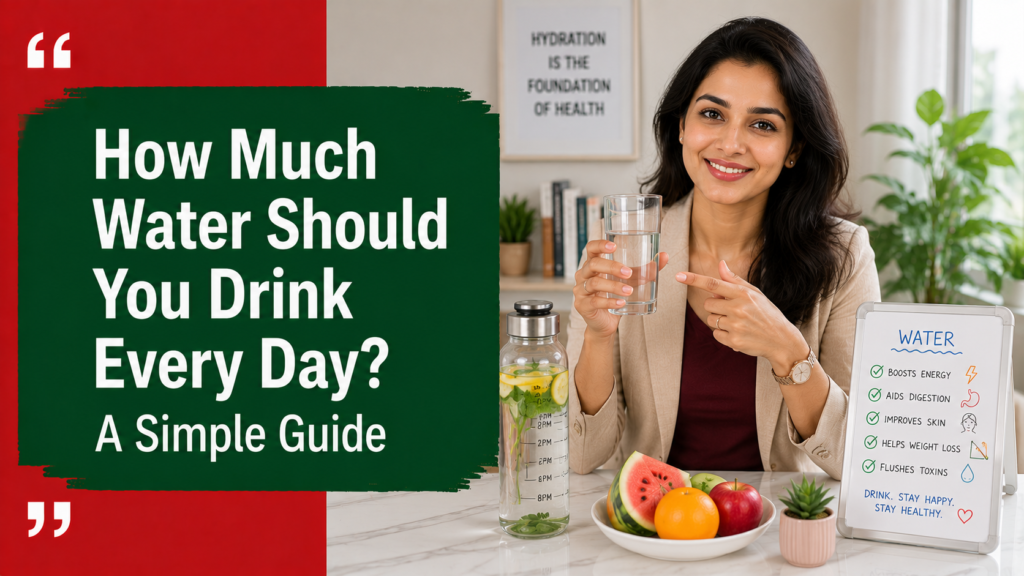
“How much water should I drink daily?” This is one of the most common questions I hear in my clinic. People ask it more than questions about diet charts or calories. And it makes sense. Water feels basic. But most people are still doing it wrong.
Some people carry a bottle everywhere and force themselves to finish it. Others barely drink two glasses a day and don’t even notice. Both extremes can cause problems. Let’s clear up the confusion.
Why Water Matters More Than You Think
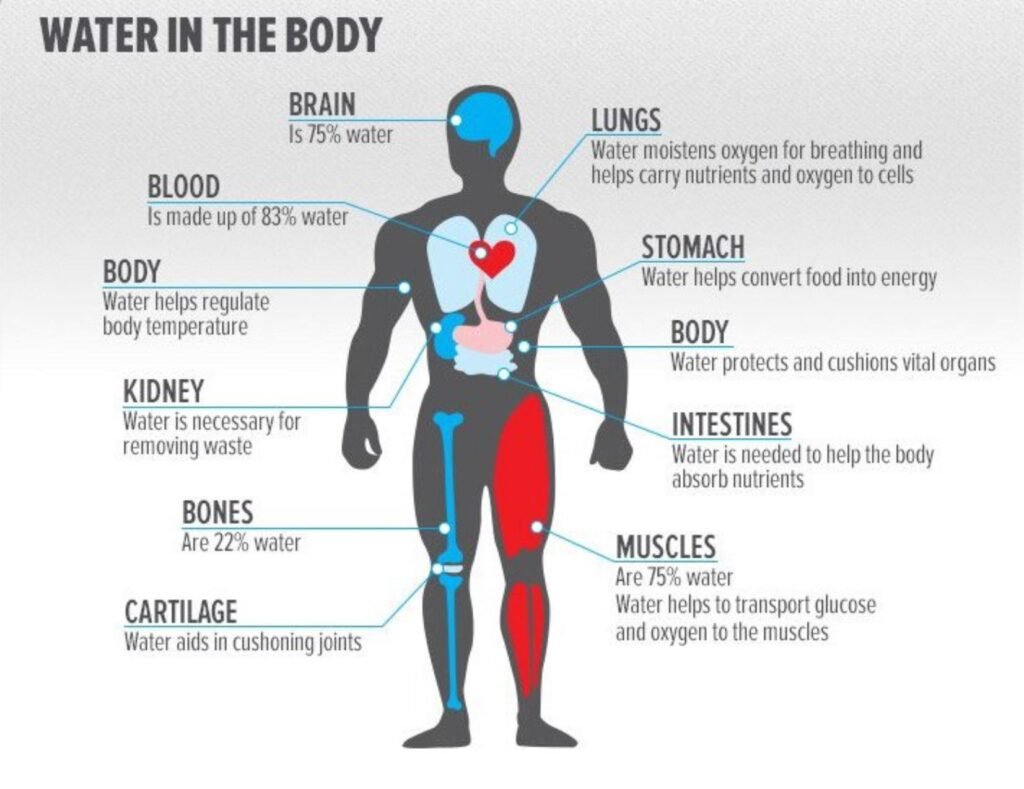
Water isn’t just about quenching thirst. It runs almost every function in your body.
It helps digest your food. It flushes out toxins through urine. It keeps your skin looking fresh. It even affects your energy and focus. When you’re low on water, your brain feels foggy before your body feels thirsty.
This is why so many of my clients feel tired by afternoon. They think they need more coffee. What they actually need is more water.
How Much Water Should a Person Drink a Day?
This is the big question, and honestly, there’s no single number that fits everyone. But here’s a simple starting point.
Most adults need around 2.5 to 3 litres of water a day. That’s roughly 8 to 10 glasses.
This isn’t a strict rule carved in stone. Your exact need depends on a few things:
- Your body weight. A heavier body needs more water to function well.
- Your activity level. If you exercise or sweat a lot, you lose more water and need to replace it.
- The weather. Mumbai’s humid summers push your body to lose more fluid through sweat.
- Your health conditions. Some conditions need more water. Others, like certain kidney or heart issues, need controlled intake. Always check with your doctor if you have a medical condition.
A simple formula I often share with clients is this: take your body weight in kilograms and multiply it by 30 to 35 ml. So, if you weigh 60 kg, your daily target would be somewhere between 1.8 to 2.1 litres, just from plain water. Add more if you’re active or if it’s hot outside.
How Much Water Should an Adult Drink Per Day — By Life Stage

Water needs aren’t the same for everyone. Let’s break it down further.
Adults with a Desk Job
If you’re mostly sitting through the day, your water needs are on the lower end. Around 2 to 2.5 litres usually works well. But don’t use “low activity” as an excuse to skip water. Sitting all day can still leave you dehydrated, especially in air-conditioned offices.
Active Adults and Athletes
If you work out regularly, or your job involves physical labour, you’ll need more. Somewhere between 3 to 4 litres is a good range. You lose more fluid through sweat, and that needs to be replaced.
Pregnant and Breastfeeding Women
Water needs go up during pregnancy and breastfeeding. Most doctors recommend an extra 300 to 700 ml on top of your normal intake. This supports both you and your baby.
Older Adults
As we age, our sense of thirst becomes weaker. Many elderly people don’t feel thirsty even when their body needs water. This is why dehydration is common in older adults. A conscious effort to sip water through the day helps, even without feeling thirsty.
Signs You’re Not Drinking Enough Water

Your body gives you clues. Here’s what to watch for:
- Dark yellow urine, instead of pale yellow.
- Dry lips and skin.
- Frequent headaches.
- Feeling tired for no clear reason.
- Constipation or slow digestion.
- Trouble focusing at work.
If you notice two or more of these regularly, it’s a sign to increase your water intake.
Can You Drink Too Much Water?
Yes, though it’s rare. Drinking excessive amounts of water in a short time can dilute the sodium levels in your blood. This condition is called hyponatremia, and it can be dangerous.
This mostly happens to athletes doing extreme endurance events, or in cases where people force themselves to drink far more than their body needs. For most people going about a normal day, this isn’t something to worry about. Just drink steadily through the day, rather than gulping large amounts at once.
Simple Tips to Stay Hydrated Through the Day

Getting enough water doesn’t have to be complicated. Try these small habits:
- Start your day with a glass of water. Keep one beside your bed or on your kitchen counter.
- Carry a bottle with you. Having water within reach makes you drink more, without even thinking about it.
- Set reminders. If you forget to drink water during busy work hours, a simple phone alarm every 2 hours can help.
- Eat water-rich foods. Cucumbers, watermelon, oranges, and soups all add to your fluid intake.
- Watch your urine colour. Pale yellow means you’re doing fine. Dark yellow means it’s time to drink up.
- Don’t wait to feel thirsty. By the time you feel thirsty, your body is already a little dehydrated.
Does Tea, Coffee, or Juice Count?
Partially, yes. Fluids like tea, coffee, and fresh juice do add to your daily fluid intake. But they shouldn’t replace plain water completely. Tea and coffee have caffeine, which has a mild diuretic effect. This means they can increase how much you urinate, so relying only on them isn’t ideal. Aim to make plain water your main source of hydration.
Water and Weight Loss
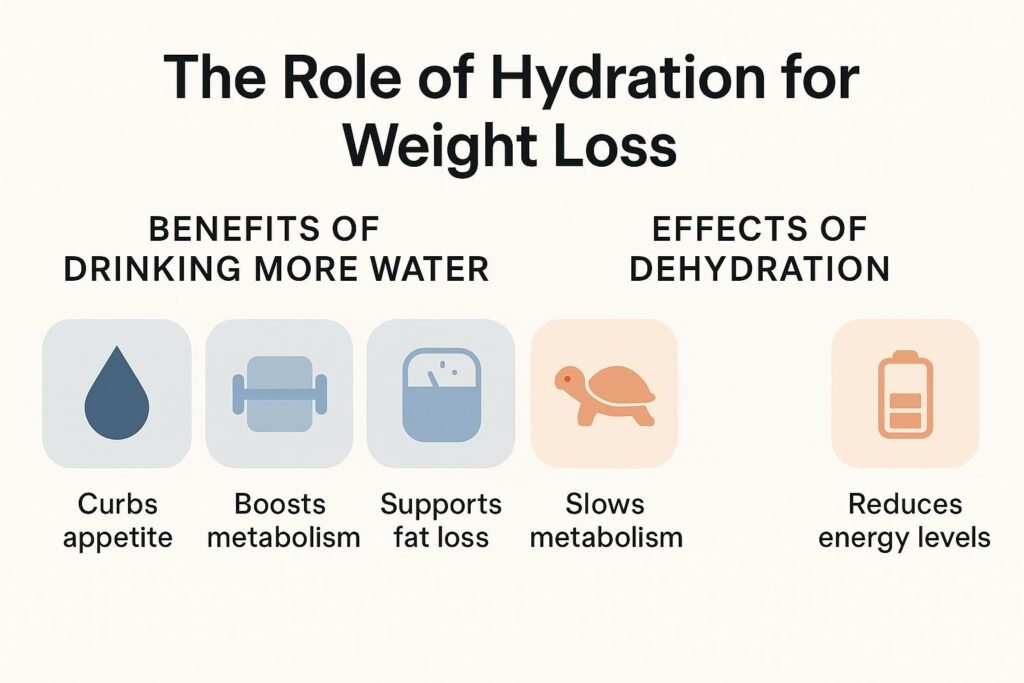
Here’s something many people don’t realise. Water plays a real role in weight management. Drinking a glass of water before meals can help you eat a little less, since it fills up some space in your stomach. It also helps your body avoid confusing thirst with hunger, which often leads to unnecessary snacking.
At The Health Studio, we look at hydration as part of every diet plan we build, whether it’s for weight loss, PCOS, diabetes, or general wellness. Small habits like this make a real difference over time.
How Much Water Is Enough for You?
So, how much water should you drink daily? For most healthy adults, 2.5 to 3 litres is a solid target. But your exact number depends on your body, activity level, and the climate you live in. The best approach isn’t a rigid rule. It’s building a steady habit of drinking water through the day, so your body always has what it needs.
If you’re unsure about your ideal water intake, or how it fits into a larger diet plan for your health goals, it’s worth talking to an expert. Learn more about how The Health Studio builds diet plans around your real lifestyle, not generic rules. You can also read our guide on drinks that keep you hydrated to understand how small daily habits, including hydration, support your bigger health goals.
Get Personalized Guidance from Dt. Richa Doshi
Every body has different needs, whether it’s about water, food, or overall lifestyle. As a certified clinical dietitian in Mumbai with 13+ years of experience, I help clients build habits that are simple, sustainable, and suited to their real life — not a one-size-fits-all chart.
If you’d like a diet plan that looks at your hydration, nutrition, and lifestyle together, book your consultation with Dt. Richa Doshi at The Health Studio today.
Dt. Richa Doshi is a certified clinical dietitian and nutritionist based in Kandivali West, Mumbai, with 13+ years of experience and 10,000+ clients guided across online and offline programs.