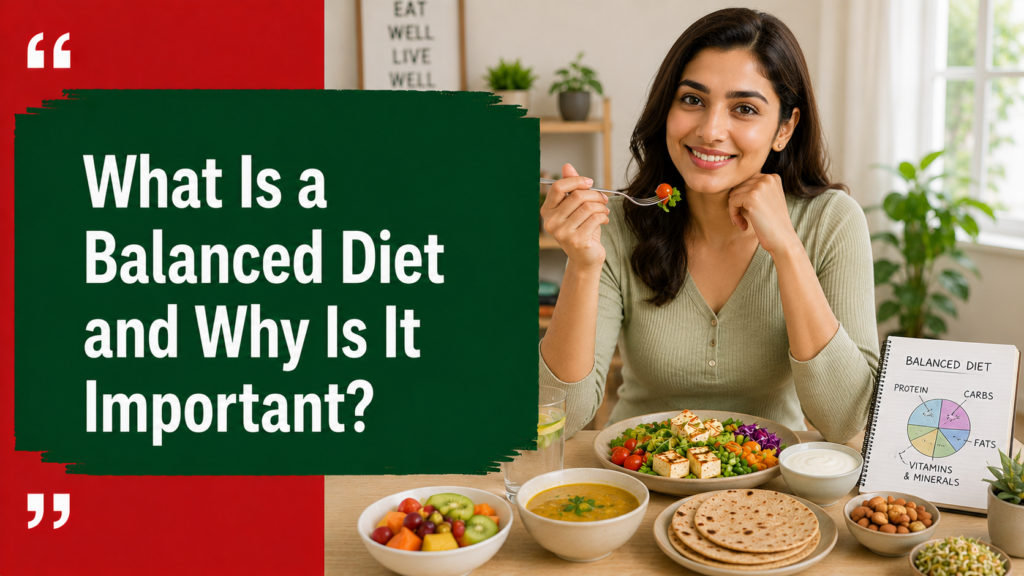
Have you ever felt confused about what to eat every day? With so much advice online, it is easy to feel lost. But eating well does not need to be complicated. It starts with understanding one simple idea: the balanced diet.
In this blog, we will explain what a balanced diet really means, why it matters, and how you can build your own balanced eating plan using everyday foods.
What Is a Balanced Diet?
A balanced diet means eating the right mix of foods in the right amount. Your body needs carbs, protein, fats, vitamins, and minerals every day. No single food gives you everything. That is why variety matters.
Think of your plate as a team. Each food group plays a different role:
- Carbohydrates give you energy.
- Proteins build and repair your body.
- Fats support your brain and hormones.
- Vitamins and minerals keep your organs and immunity strong.
- Fiber helps digestion and keeps you full.
When these work together, your body runs smoothly. That is the real goal behind any good healthy eating meal plan.
Why Is a Balanced Diet Important?
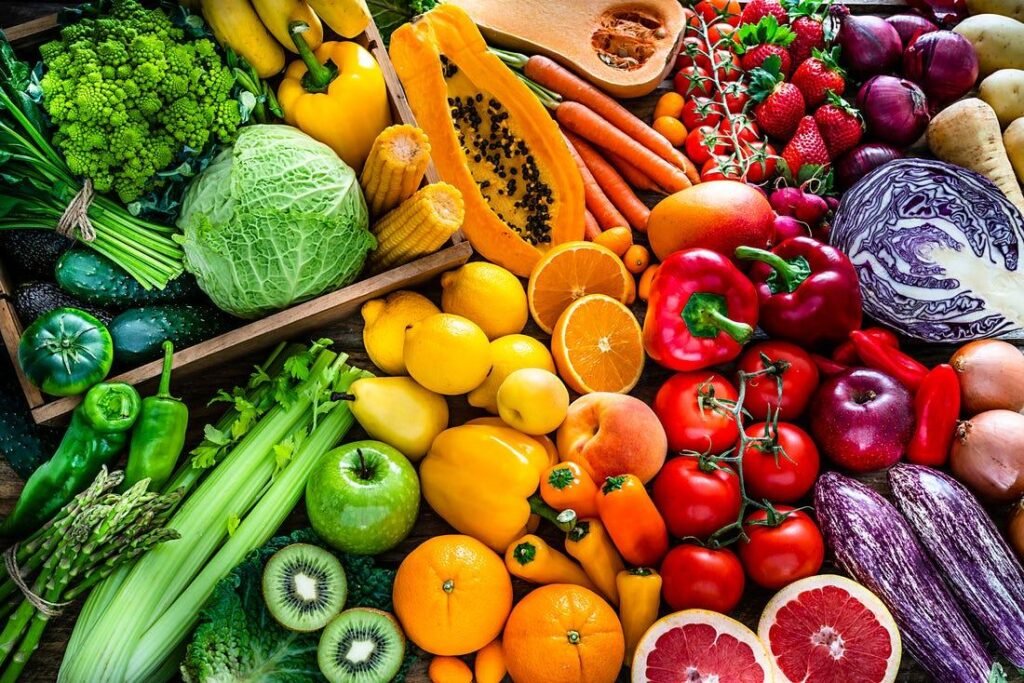
A balanced diet does more than just fill your stomach. It affects almost every part of your health.
- More energy: The right foods keep your energy steady through the day, without sudden crashes.
- Better immunity: Vitamins and minerals help your body fight infections.
- Healthy weight: Balanced meals reduce cravings and overeating.
- Improved mood: Nutrient-rich foods support better brain function and emotional balance.
- Long-term health: A good diet lowers the risk of diabetes, heart disease, and other lifestyle conditions.
In short, what you eat today shapes how you feel tomorrow, and how healthy you stay in the years ahead.
Healthy Diet Foods to Include Every Day

You do not need fancy or expensive items to eat well. Simple, everyday healthy diet foods can build a strong, balanced diet:
- Whole grains: Brown rice, whole wheat roti, oats
- Proteins: Dal, eggs, paneer, chicken, fish, tofu
- Vegetables: Leafy greens, seasonal vegetables of different colors
- Fruits: Apples, papaya, guava, berries
- Healthy fats: Nuts, seeds, ghee in moderation, olive oil
- Dairy: Milk, curd, buttermilk
Try to include a mix of these food groups in every meal. This alone makes a big difference in how balanced your diet becomes.
Sample Balanced Diet Chart
Here is a simple balanced diet chart you can use as a starting point. You can adjust the amount based on your age, activity level, and health goals.
| Meal | What to Eat |
| Early Morning | 1 glass of warm water |
| Breakfast | Vegetable poha or 2 vegetable-stuffed rotis with curd |
| Mid-Morning | 1 seasonal fruit |
| Lunch | 1 bowl of dal, 1 vegetable, 2 rotis or rice, small salad |
| Evening Snack | Roasted chana, nuts, or sprouts |
| Dinner | Grilled paneer, fish, or chicken with sautéed vegetables |
| Before Bed | 1 glass of warm milk (optional) |
This is a simple example of a healthy diet chart. It uses everyday foods and covers all the major nutrients your body needs.
How to Build Your Own Balanced Eating Plan

Everyone’s body is different. A plan that works for one person may not suit another. Here are a few simple steps to build your own healthy diet plans:
- Fill half your plate with vegetables. They are low in calories and rich in fiber and nutrients.
- Add a protein source to every meal. This keeps you full and supports muscle health.
- Choose whole grains over refined ones. Whole wheat, brown rice, and oats digest slowly and keep energy steady.
- Don’t fear healthy fats. Nuts, seeds, and ghee in the right amount support your hormones and brain.
- Stay hydrated. Water plays a big role in digestion and overall health.
- Avoid skipping meals. This often leads to overeating later in the day.
Small, consistent changes are more powerful than a strict diet you cannot maintain long-term.
Common Mistakes People Make With Their Diet
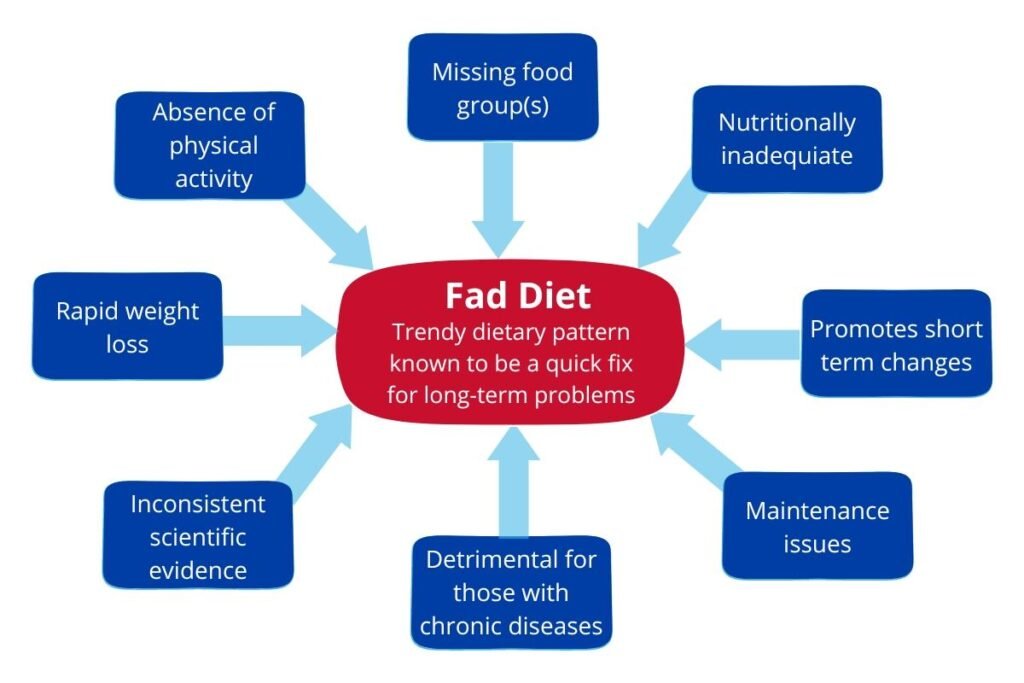
- Cutting out entire food groups: This often leads to nutrient gaps.
- Following diet trends blindly: What works for someone else may not work for you.
- Ignoring portion size: Even healthy foods can cause weight gain in large amounts.
- Not planning meals ahead: This often leads to last-minute, unhealthy choices.
A truly balanced diet is not about restriction. It is about awareness and consistency.
Why Expert Guidance Makes a Real Difference
Reading about a balanced diet online is a good start. But every body is different, and general advice does not always fit your lifestyle, health history, or goals. This is where working with a dietician helps you build a plan that truly works for you, not just any general chart.
At The Health Studio, every diet plan is built around your daily routine, food habits, and health needs, so it fits into real life instead of feeling like a strict rulebook.
If you would like to understand the science behind food and healing in more depth, our earlier blog on what diet therapy really means is a great place to explore further.
Build Your Balanced Diet With Dt. Richa Doshi
A balanced diet is simply about eating the right foods, in the right amount, consistently. It does not require perfection, just awareness and small, steady steps. Once your meals include the right mix of nutrients, you will notice better energy, better digestion, and better overall health.
If you want a diet plan built specifically for your body and lifestyle, Dt. Richa Doshi and her team are here to guide you every step of the way. Contact us today to start building your personalized balanced eating plan.
FAQs
Q1. What is a balanced diet in simple words?
A balanced diet means eating the right amount of carbs, protein, fats, vitamins, and minerals every day, so your body gets everything it needs to function well.
Q2. What are some easy healthy diet foods to start with?
Whole grains, dal, eggs, seasonal vegetables, fruits, nuts, and dairy are simple, everyday foods that support a balanced diet.
Q3. How can I follow a balanced diet chart without feeling restricted?
Focus on adding good foods rather than cutting things out completely. Include vegetables, protein, and whole grains in every meal, and enjoy your favorite foods in moderation.
Q4. Is a balanced diet the same for everyone?
No. While the basic principles stay the same, the right amount and type of food depends on your age, activity level, health conditions, and personal goals.
Q5. Can a balanced diet help with weight management?
Yes. Balanced meals reduce cravings, prevent overeating, and support steady energy levels, all of which make it easier to maintain a healthy weight over time.