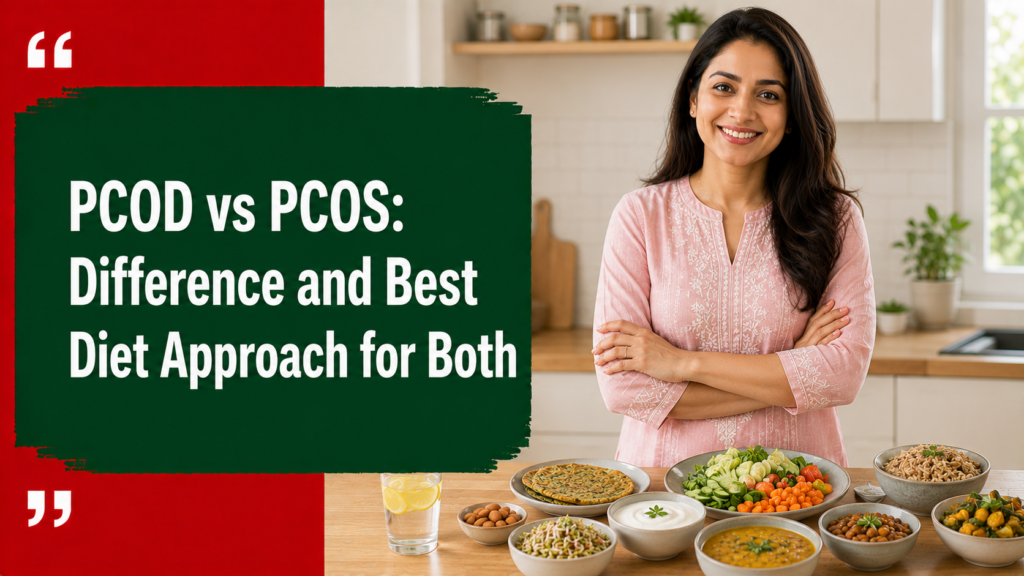
If you’ve been told you have PCOD by one doctor and PCOS by another, you’re not imagining things — this mix-up happens all the time, even among medical professionals. The two terms are often used interchangeably in India, but they’re not exactly the same thing. Understanding the actual PCOD vs PCOS difference can help you make sense of your diagnosis and, more importantly, choose the right diet approach for your body.
Let’s clear up the confusion first, then get into the practical part — what to actually eat.
PCOD vs PCOS: What’s the Real Difference?

PCOD (Polycystic Ovarian Disease) is a condition where the ovaries produce immature or partially mature eggs, which eventually turn into cysts. It’s more common and generally considered less severe. Many women with PCOD can still ovulate, and symptoms often improve significantly with diet and lifestyle changes alone.
PCOS (Polycystic Ovary Syndrome) is a broader hormonal and metabolic disorder. It involves higher androgen (male hormone) levels, insulin resistance, and often more significant impact on fertility, metabolism, and long-term health risks like diabetes and heart disease.
In simple terms:
- PCOD = ovaries producing multiple immature eggs; generally more manageable
- PCOS = a hormonal syndrome affecting the whole body’s metabolism, not just the ovaries
Both conditions, however, respond well to the right nutrition approach — which is really the important part.
Why Diet Is Central to PCOS Treatment
Regardless of whether you’re dealing with PCOD or PCOS, insulin resistance tends to play a major role in symptoms — irregular periods, weight gain, acne, and fatigue. This is why most effective PCOS treatment diet plans focus on:
- Stabilizing blood sugar throughout the day
- Reducing inflammation
- Supporting steady, gradual weight management
- Providing enough protein and healthy fats for hormone production
The good news is that an Indian diet plan for PCOS or PCOD doesn’t need imported superfoods or extreme restriction — it works well with everyday, easily available foods.
Sample PCOD Food Chart / Indian PCOS Diet Plan
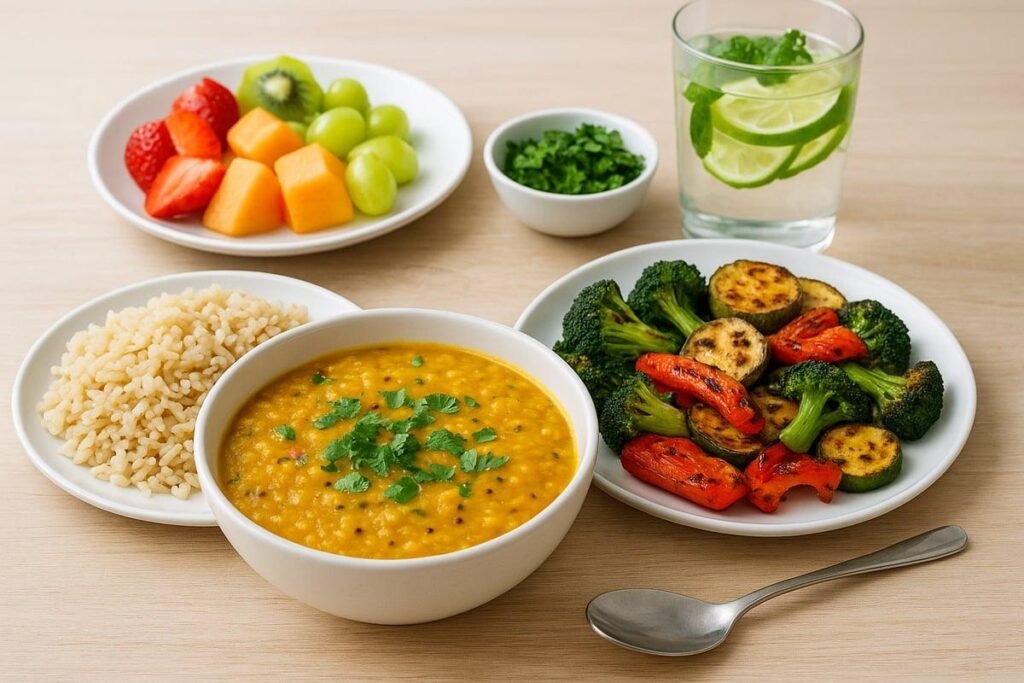
Here’s a simple, realistic diet chart that works for both PCOD and PCOS, with a focus on Indian meals:
Early morning:
- Warm water with soaked fenugreek seeds or a small handful of soaked almonds
Breakfast:
- Moong dal chilla / vegetable poha with peanuts / besan cheela with curd
- A boiled egg or paneer on the side for added protein
Mid-morning:
- A fruit (apple, guava, or berries) with a few soaked walnuts
Lunch:
- 1-2 bajra or jowar rotis + dal or rajma/chole + a bowl of sabzi + salad
- A small bowl of curd
Evening snack:
- Roasted chana or makhana, or sprouts chaat
Dinner (earlier and lighter):
- Grilled paneer/fish/chicken with sautéed vegetables, or a light dal-vegetable soup with one roti
Through the day:
- 2.5-3 litres of water, herbal teas like tulsi or cinnamon tea (in moderation)
This is a general polycystic ovaries diet chart — actual portions and food choices should be adjusted based on your weight goals, activity level, and specific symptoms.
Diet Tweaks Based on Your Main Symptom
- If weight gain is the main issue: Focus more on portion control and reducing refined carbs, with a slight calorie deficit
- If irregular periods are the main issue: Prioritize healthy fats and micronutrients like zinc and magnesium
- If acne/excess hair growth is the main issue: Focus on anti-inflammatory foods and reducing dairy and sugar
- If fatigue is the main issue: Ensure adequate iron, B12, and protein intake
This is exactly where a one-size-fits-all diet chart falls short — the “right” diet plan for PCOD or PCOS really depends on which symptoms are bothering you most.
PCOD or PCOS — The Nutrition Approach Still Needs to Be Personal
Whether you’ve been diagnosed with PCOD or PCOS, generic food charts are a helpful starting point, but real, lasting results come from a plan built around your specific hormone profile, lifestyle, and food preferences. If you’d like to understand the condition more deeply — including symptoms and causes — check out our detailed PCOS guide.
Get a Diet Plan Built for Your Specific Case
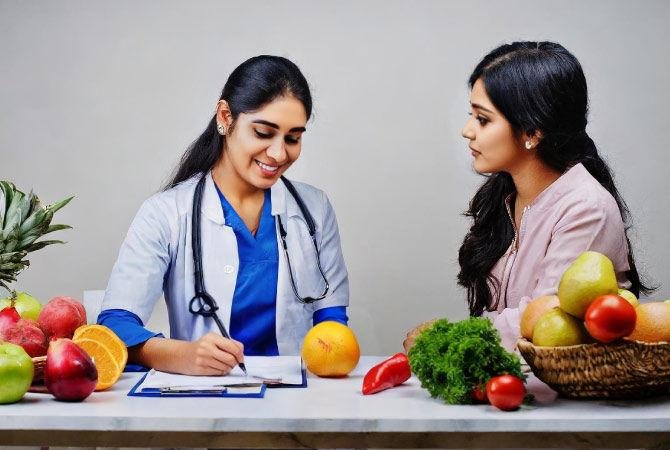
If you’re tired of following generic PCOD food charts that don’t quite fit your routine or symptoms, it might be time for a plan that’s actually designed around you. Contact us for a personalized consultation, and let’s build a nutrition plan that works with your body, not against it.
FAQs
1. Is PCOD less serious than PCOS?
Generally, yes. PCOD is often considered more manageable with lifestyle changes, while PCOS is a broader metabolic condition that may need more comprehensive management, though this varies from person to person.
2. Can PCOD turn into PCOS if left untreated?
PCOD doesn’t necessarily “turn into” PCOS, but unmanaged insulin resistance and weight gain over time can worsen hormonal imbalance, so early lifestyle intervention is helpful either way.
3. Is an Indian diet good for managing PCOS or PCOD?
Yes, a well-planned Indian diet with whole grains like millets, dals, vegetables, and lean protein works very well for both conditions — it doesn’t require unfamiliar or imported foods.
4. How much weight loss is needed to see improvement in PCOD/PCOS symptoms?
Even a 5-10% reduction in body weight can significantly improve symptoms like irregular periods and insulin resistance for many women, according to general clinical observations.
5. Do I need to avoid rice completely if I have PCOD or PCOS?
No, complete avoidance isn’t necessary. Moderate portions of rice, ideally paired with protein and vegetables, can fit into a balanced PCOD or PCOS diet plan.