

Introduction
Whether you call it anda, egg, or boiled egg, it’s one of the easiest foods to include in a healthy diet. It’s affordable, quick to cook, and packed with nutrients that support everything from muscle health to brain function. But with so many questions like “How many eggs should I eat?” or “Is eating eggs every day healthy?”, it’s easy to get confused. This guide answers those questions using simple, science-backed information.
Many people search for questions such as ‘Anda khane ke fayde’, ‘Anda khane se kya hota hai?’, ‘Kacha anda khane ke fayde’, or ‘Jyada anda khane se kya hota hai?’. This guide explains these topics in simple language using evidence-based nutrition information.
What is Anda (Egg)?
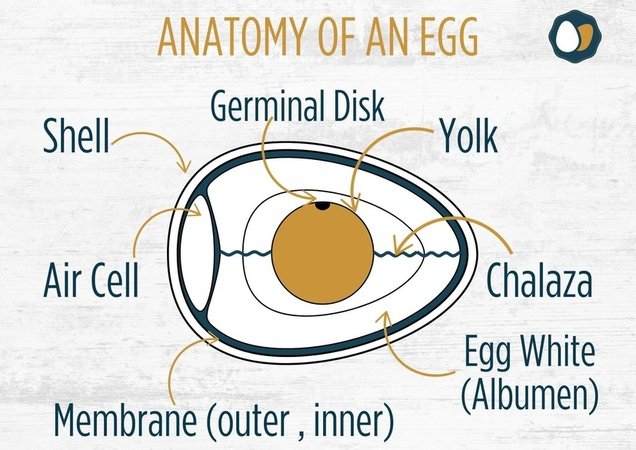
An egg is a natural food laid by birds, with chicken eggs being the most commonly consumed worldwide. It consists of three main parts:
- Eggshell – The hard outer covering that protects the egg.
- Egg White (Albumen) – Rich in high-quality protein and low in calories.
- Egg Yolk – Contains healthy fats, vitamins, minerals, and nutrients such as choline, vitamin B12, vitamin D, and lutein.
Eggs are considered a complete protein because they provide all nine essential amino acids that the body needs but cannot produce on its own. These amino acids help build and repair muscles, support the immune system, and contribute to many other body functions.
Since eggs are affordable, easy to cook, and versatile, they are a popular choice for breakfast, lunch, dinner, and snacks.
Anda Nutrition Facts
The nutritional value of an egg may vary slightly depending on its size, but one large boiled egg (about 50 grams) typically contains:
| Nutrient | Amount per Egg |
| Calories | 70–78 kcal |
| Protein | 6–6.5 g |
| Total Fat | 5 g |
| Carbohydrates | Less than 1 g |
| Vitamin B12 | Good source |
| Vitamin D | Present |
| Choline | Excellent source |
| Selenium | Good source |
| Phosphorus | Good source |
| Riboflavin (Vitamin B2) | Good source |
Besides these nutrients, eggs also contain lutein and zeaxanthin, antioxidants that support eye health.
Anda Khane Ke Fayde (Health Benefits of Eating Eggs)

Eggs offer several nutrients that support different aspects of health. Here are some of the key benefits:
1. Excellent Source of High-Quality Protein
Protein is essential for building and repairing muscles, producing enzymes and hormones, and supporting overall body functions.
Since eggs contain all essential amino acids, they are considered one of the highest-quality protein sources available.
Including protein-rich foods like eggs in meals may also help you feel full for longer.
2. Supports Muscle Health
Muscles constantly break down and rebuild throughout life. Protein provides the building blocks needed for this process.
People who exercise regularly, older adults, and growing children all require enough protein as part of a balanced diet.
Eggs can contribute to meeting these daily protein needs when combined with other nutritious foods.
3. Helps You Stay Full for Longer
Protein and healthy fats in eggs slow down digestion, which can increase feelings of fullness after meals.
Feeling satisfied for longer may reduce unnecessary snacking between meals and support healthy eating habits.
However, overall food choices and portion sizes remain important for maintaining a healthy weight.
4. Good for Brain Health
Egg yolks are one of the richest natural sources of choline, a nutrient that plays an important role in brain development, memory, and nerve function.
Choline is especially important during pregnancy and early childhood because it supports normal brain development.
5. Supports Eye Health
Eggs contain lutein and zeaxanthin, two antioxidants that are naturally found in the retina of the eye.
These nutrients help protect the eyes from damage caused by sunlight and ageing and support long-term eye health.
6. Provides Important Vitamins and Minerals
Eggs contain several nutrients that the body needs every day, including:
- Vitamin B12 for nerve health and red blood cell formation
- Vitamin D for bone health
- Selenium, which supports the immune system
- Riboflavin for energy production
- Phosphorus for healthy bones and teeth
Eating a variety of nutrient-rich foods, including eggs, can help meet daily nutritional requirements.
7. Can Be Part of a Healthy Weight Management Plan
Many people include eggs in breakfast because they are filling and provide good-quality protein.
A protein-rich breakfast may help some people feel satisfied for longer, making it easier to avoid frequent snacking.
However, weight management depends on your overall eating pattern, physical activity, sleep, and lifestyle—not on any single food.
8. Easy to Include in Everyday Meals
One reason eggs remain popular is their convenience.
They can be prepared in many healthy ways, such as:
- Boiled eggs
- Poached eggs
- Vegetable omelette
- Egg bhurji with vegetables
- Egg curry prepared with less oil
Pairing eggs with vegetables, fruits, whole grains, and healthy fats creates a more balanced meal.
What Happens When You Eat Eggs Regularly?
Eating eggs regularly as part of a balanced diet can be a simple way to increase your intake of high-quality protein and essential nutrients. Eggs help support muscle maintenance, keep you feeling full for longer, and provide vitamins and minerals that your body needs every day.
However, eggs alone cannot improve your overall health. For the best results, include them as part of a balanced diet that also contains vegetables, fruits, whole grains, pulses, nuts, seeds, and healthy fats.
Are There Any Side Effects of Eating Eggs?
Many people wonder whether eating eggs every day is healthy. For most healthy individuals, eggs can be a nutritious addition to a balanced diet when eaten in moderation.
Eggs provide high-quality protein, healthy fats, vitamins, and minerals that support muscle health, energy production, brain function, and many other important body processes. However, no single food can provide everything your body needs. Eating a wide variety of nutritious foods is essential for good health.
Raw Eggs: Myth or Reality?
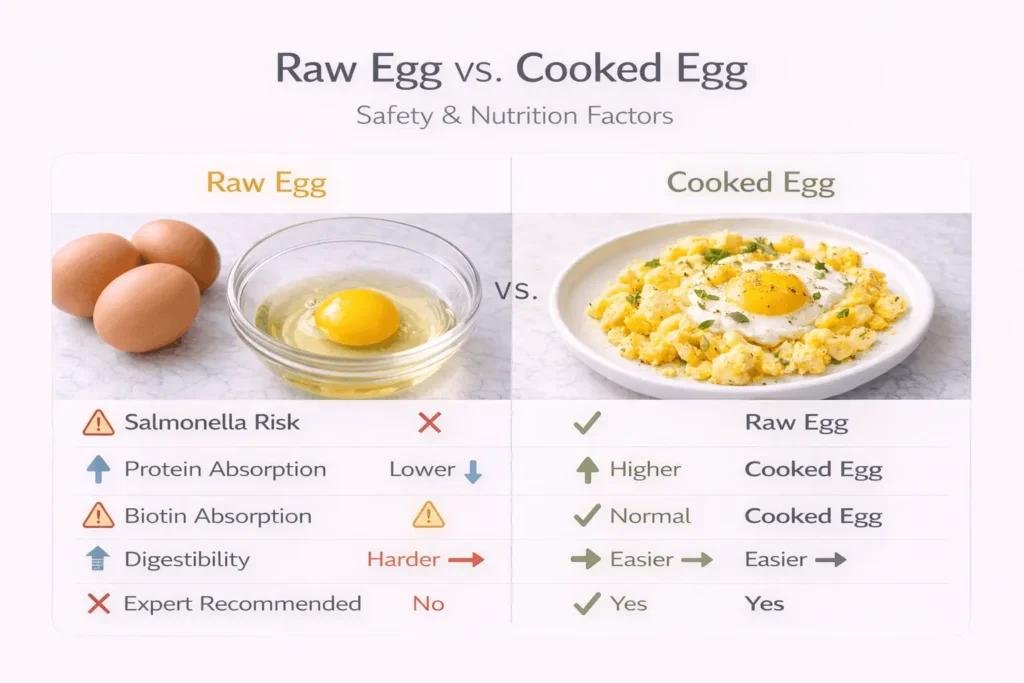
Many people believe that eating or drinking raw eggs provides more protein and greater health benefits than cooked eggs. This belief is especially common among people who exercise regularly or follow high-protein diets. However, scientific research does not support this idea.
In fact, your body absorbs protein more efficiently from cooked eggs than from raw eggs. Cooking also helps reduce the risk of foodborne illness, making cooked eggs the safer and healthier choice for most people.
Does Eating Raw Eggs Provide More Nutrition?
Raw and cooked eggs contain similar nutrients, but your body absorbs protein more efficiently from cooked eggs. Cooking changes the structure of egg protein, making it easier to digest and use.
This means that while raw eggs still contain protein, your body benefits more from the protein in cooked eggs.
Is It Safe to Eat Raw Eggs?
Raw eggs may sometimes contain harmful bacteria such as Salmonella. Although the risk is relatively low, consuming contaminated raw eggs can lead to foodborne illness.
Symptoms may include:
- Stomach pain
- Diarrhoea
- Vomiting
- Fever
- Nausea
Young children, older adults, pregnant women, and people with weakened immune systems are generally advised to avoid raw or undercooked eggs.
Can Raw Eggs Affect Nutrient Absorption?
Raw egg whites contain a protein called avidin, which can reduce the absorption of biotin (Vitamin B7) when consumed regularly in large amounts. Cooking the egg reduces this effect.
For most people, cooked eggs are a safer and more practical choice while still providing excellent nutrition.
Eggs are healthy, but eating excessive amounts of any single food is not recommended.
Can Eating Too Many Eggs Be Harmful?
The answer depends on your age, activity level, overall diet, and health condition.
For some people, eating more eggs occasionally may not cause any problems. However, eating large quantities every day while ignoring other nutritious foods may reduce dietary variety.
Possible concerns include:
Extra Calories
Even though one egg is relatively low in calories, eating several eggs along with butter, cheese, or oil-rich preparations can significantly increase your calorie intake.
Reduced Dietary Variety
A healthy diet should include different food groups such as:
- Fruits
- Vegetables
- Whole grains
- Pulses
- Dairy or alternatives
- Nuts and seeds
Relying mainly on eggs may mean missing out on nutrients that other foods provide.
Individual Health Conditions
People with certain medical conditions, such as high cholesterol or heart disease, may receive different dietary advice based on their overall health and medical history. It is always best to follow recommendations from a qualified healthcare professional.
The key message is simple: moderation is important. Eggs can be part of a healthy diet, but they should not replace other nutritious foods.
Best Ways to Eat Anda

The way you cook eggs can affect the overall nutritional quality of your meal.
Some healthier options include:
Boiled Eggs
Boiled eggs are simple to prepare and do not require added oil. They make a convenient breakfast or snack.
Poached Eggs
Poaching keeps the calorie content low while preserving the natural nutrients of the egg.
Vegetable Omelette
Adding vegetables such as spinach, tomatoes, onions, capsicum, or mushrooms increases fibre, vitamins, and minerals, making the meal more balanced.
Egg Bhurji with Vegetables
Preparing egg bhurji with plenty of vegetables and minimal oil is another nutritious option.
Egg Curry
Egg curry can also be part of a balanced diet when prepared with moderate oil and served with whole grains or millet instead of large portions of refined carbohydrates.
No matter how you prepare eggs, pairing them with vegetables, fruits, and whole grains creates a more balanced meal than eating eggs alone.
Frequently Asked Questions (FAQs)
1. Can I eat eggs every day?
For many healthy people, eggs can be included as part of a balanced diet. The appropriate amount varies depending on age, activity level, overall diet, and individual health conditions.
2. Are boiled eggs healthier than fried eggs?
Boiled eggs generally contain fewer added calories because they are prepared without oil or butter. Fried eggs may become higher in calories depending on the amount of fat used during cooking.
3. Are eggs good for weight loss?
Eggs are rich in protein, which may help you feel full for longer. When included in a calorie-appropriate, balanced eating plan, they can support weight management.
4. Are eggs good for people with diabetes?
Eggs are naturally low in carbohydrates and can fit into many diabetes-friendly eating patterns. However, the overall quality of the diet and individual medical advice remain important.
5. Which is better: egg white or whole egg?
Egg whites provide high-quality protein with very little fat, while the yolk contains important nutrients such as choline, vitamin D, vitamin B12, and healthy fats. For most healthy people, eating the whole egg provides more complete nutrition.
6. Are desi eggs healthier than farm eggs?
Both desi and farm eggs are nutritious. Although there may be small differences depending on how hens are raised and fed, both can be part of a healthy diet.
7. Is it safe to drink raw eggs?
Raw eggs are generally not recommended because protein is absorbed better from cooked eggs, and there is a small risk of foodborne illness if the eggs are contaminated.
8. How should eggs be stored?
Store eggs in the refrigerator and cook them thoroughly before eating. Proper storage helps maintain freshness and reduces the risk of foodborne illness.
Make Eggs a Healthy Part of Your Everyday Diet
Anda (egg) is one of the most nutritious and versatile foods that can be included in a balanced diet. It provides high-quality protein along with essential vitamins and minerals that support muscle health, brain function, eye health, and overall well-being.
Whether you prefer boiled eggs, a vegetable omelette, or egg bhurji, enjoying eggs in moderation can be a practical way to add quality protein and important nutrients to your everyday diet. While eggs can support a balanced eating pattern, individual nutrition needs vary based on age, lifestyle, and health conditions. If you’re looking for personalized dietary guidance, consulting a Best Dietician in Mumbai can help you make informed food choices that align with your long-term health goals.