

Today, diabetes remains one of the most rapidly growing health problems in the world that affects millions of people of different ages. However, many people are unaware of the cause of diabetes, thinking that it develops due to excessive consumption of sugar products and wondering whether diabetes is hereditary or not.
Actually, in most cases, diabetes does not have a single cause but develops as a result of interactions between multiple factors such as genetics, lifestyle, body weight, exercise, and diet. Even though some foods contribute to the development of Type 2 diabetes, no food alone is a reason for the disease.
It is essential to know about the causes of diabetes in order to avoid developing this condition or reduce your risk by following healthy lifestyle habits. In case you are concerned about your risk factors, this guide will explain what causes diabetes using clear evidence-based language.
What Is Diabetes?
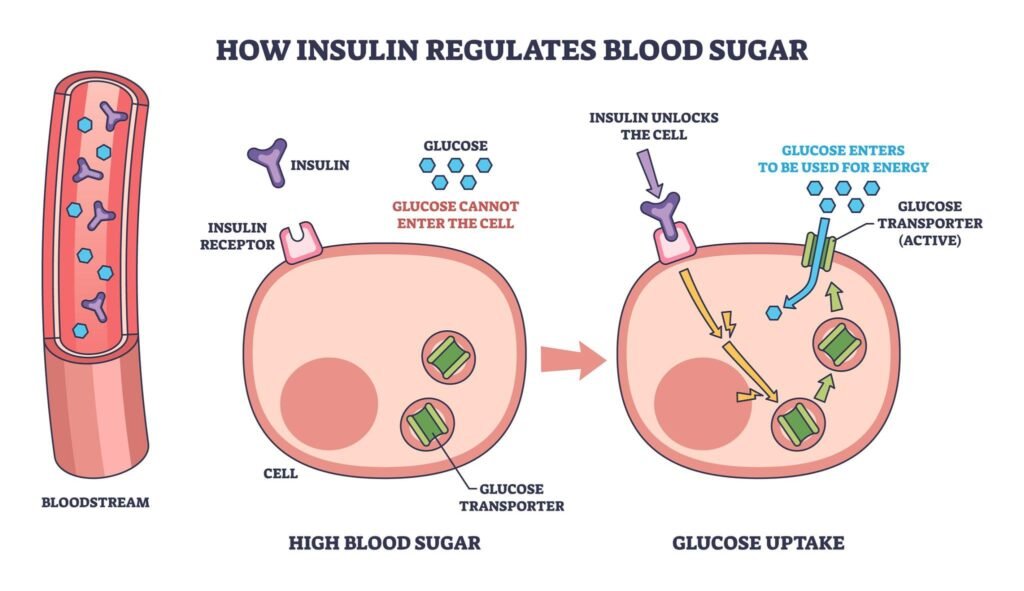
Diabetes is a chronic disease that affects the way of glucose (also known as blood sugar) usage. Glucose is a major source of energy for our bodies.
As a rule, the hormone called insulin, which is produced by the pancreas, moves the glucose from your bloodstream into your cells where this glucose serves as a fuel for various everyday functions of your organism.
If something goes wrong, glucose accumulates in the bloodstream as opposed to moving to the cells. Such high level of glucose in the blood damages your heart, kidneys, eyes, nerves, and blood vessels.
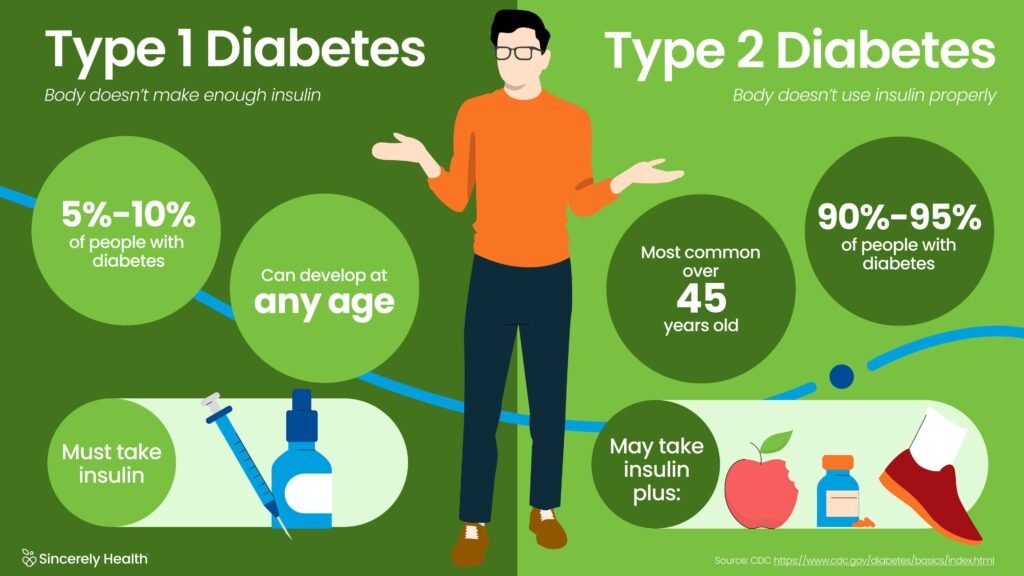
Two types of diabetes exist:
Type 1 Diabetes
Type 1 diabetes is an autoimmune disease. The immune system attacks the beta cells in the pancreas responsible for producing the necessary amounts of insulin.
This type of diabetes is usually diagnosed in children and young adults. However, it can develop at any age and is not caused by excessive sugar consumption or unhealthy diet.
Type 2 Diabetes
Type 2 diabetes is the most common type of diabetes. The body becomes resistant to insulin or does not produce enough insulin to keep the normal level of glucose in the blood.
What Causes Diabetes?
Perhaps the question that is asked by many people about diabetes is what causes it.
The reasons for diabetes depend on the type of diabetes.
When it comes to Type 1 diabetes, there is no clear cause that can be identified yet. This kind of diabetes occurs when certain genetic and environmental factors affect the immune system causing it to destroy healthy cells in the pancreas.
As for Type 2 diabetes, its major cause is called insulin resistance. In this case, the cells of the body become unresponsive to the hormone insulin, and this makes it difficult for the glucose to enter the cells, which results in higher levels of blood sugar.
Insulin resistance itself does not appear as a result of some particular cause.
Major Causes of Type 2 Diabetes
1. Insulin Resistance
It is said that insulin resistance is the underlying cause of diabetes among patients with Type 2 diabetes.
Whenever muscles, liver, and fat tissues become unresponsive to insulin, the body works extra hard to generate more of this hormone.
Eventually, the pancreas will be unable to meet the requirements of the body hence leading to increased glucose level in the blood.
All of these happen gradually over a period of several years.
2. Family History and Genetics
Genetics are important when determining the probability of being diagnosed with diabetes.
The risk of getting Type 2 diabetes is relatively high if one parent or both of them have been suffering from the disease.
Nevertheless, family history alone does not ensure that an individual will get diabetes; healthy habits will make a great difference.
3. Being Overweight
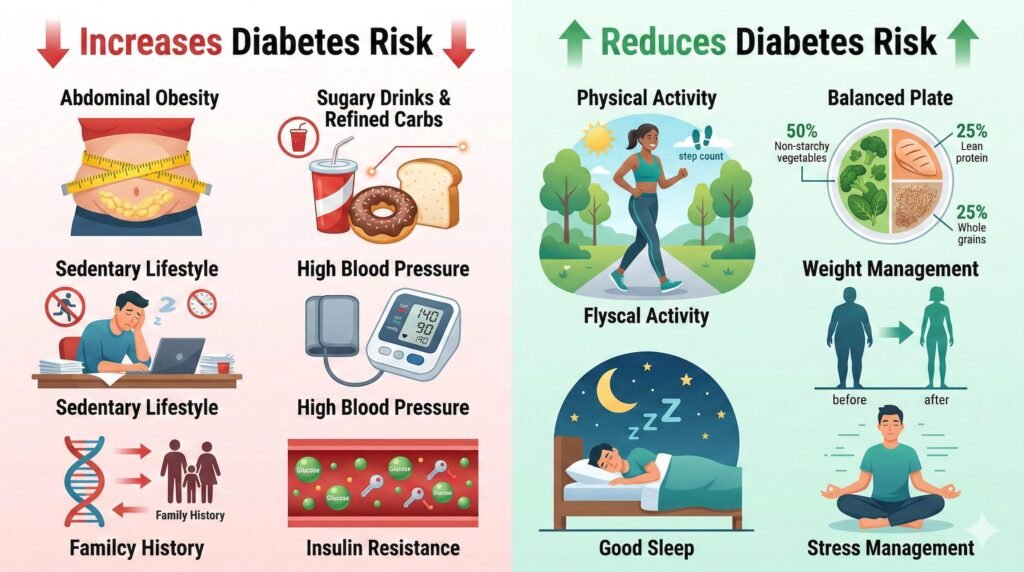
Excess body weight raises the chance of being affected by insulin resistance.
The presence of excess fat around the waist can influence the way the body reacts to insulin.
Even slight weight reduction will positively affect the way the body responds to insulin.
4. Absence of Physical Activity
Physical exercise enables the body to utilize the insulin hormone effectively.
Inactive habits might raise the chances of becoming resistant to insulin.
Basic forms of exercise, like walking fast, biking, swimming, and lifting weights, promote proper blood sugar levels and maintain general well-being.
5. Unhealthy Eating Habits

No particular food has been found to be responsible for triggering diabetes; however, an unbalanced diet with excessive intake of sugary beverages, carbohydrate-based junk food, and calorie-rich snacks is likely to result in obesity and insulin resistance.
Eating foods like vegetables, fruits, grains, legumes, proteins, and healthy fats in moderation can help avoid developing Type 2 diabetes.
Other Key Risk Factors for Diabetes
While insulin resistance is recognized as the primary cause of Type 2 diabetes, there are other factors that increase the risk of the condition. Some of the risk factors can be changed while others remain constant and can be modified only through healthy lifestyle practices.
6. Age
Older people are more prone to getting Type 2 diabetes due to physical inactivity, decreased muscle mass and increased weight, which can negatively affect insulin sensitivity.
Today, however, diabetes is not associated only with older population anymore since more younger adults and even teenagers receive the diagnosis because of certain modifications in dietary and other aspects of their lifestyles.
7. Polycystic Ovary Syndrome (PCOS)
Insulin resistance is associated with polycystic ovary syndrome in women, which increases the risk of Type 2 diabetes.
Managing PCOS through maintaining a healthy weight, exercising and regular medical checkups can help in reducing the risk of diabetes.
8. Poor Sleep and Chronic Stress
Lack of sleep and chronic stress is often not taken into consideration as the underlying factor of diabetes.
These conditions can affect hormones regulating hunger, metabolism and blood sugar and result in increased insulin resistance.
Developing proper sleeping habits and stress management strategies can positively affect the metabolic state of the body.
9. History of Gestational Diabetes
Diabetes can occur in women during pregnancy, which is called gestational diabetes.
Even though in most cases the blood glucose level returns to normal after giving birth, there is an increased risk of getting Type 2 diabetes in the future.
10. Foods That Might Be a Cause of Diabetes
People generally search for “10 foods that cause diabetes.” It is important to mention here that there is no one food that directly causes diabetes. However, eating some foods regularly as a part of unhealthy eating habits may result in Type 2 diabetes.
Following are some of the foods that you should enjoy occasionally:
Soft drinks containing added sugar
Fruit juices with added sugar
Pastries, cakes, and desserts
Cookies and biscuits made up of refined flour
Candies and sweets
Refined flour items, white bread
Breakfast cereals containing added sugar
Chips and snacks containing unhealthy ingredients
High-calorie fast food
Meats including sausages and bacon
All these foods contain ingredients such as sugar, saturated fat, unhealthy calories, or refined carbohydrates. These may not cause any problem if eaten occasionally; however, eating them regularly without consuming whole foods increases the risk of insulin resistance and obesity.
Does Consuming Sugar Lead To The Development Of Diabetes?
This is one of the largest misconceptions concerning diabetes.
While sugar itself is not directly responsible for developing diabetes, drinking lots of sugary beverages and consuming energy-dense foods can lead to excess calorie consumption and gaining extra weight, thus increasing insulin resistance that is one of the main triggers of Type 2 diabetes.
It is recommended to cut out foods with added sugar, but do not stop consuming it completely.
Early Symptoms of Diabetes
The early recognition of symptoms will allow you to visit a doctor in time to prevent the development of complications.
Common symptoms of diabetes are:
Excessive thirst
Frequent urge to urinate
Fatigue
Vision disorders
Wounds and cuts heal slowly
Frequent infections
Unexpected weight loss (common for Type 1 diabetes)
Intense hunger
Can Diabetes Be Prevented?
Unfortunately, Type 1 diabetes cannot be prevented now.
However, the majority of cases of Type 2 diabetes can be postponed or prevented.
There are a number of actions that need to be taken:
Eating a well-balanced diet including a lot of vegetables, fruits, whole grains, legumes, lean protein.
Being physically active for 150 minutes or more per week.
Minding your weight.
Drinking fewer sugary beverages and eating less processed food.
Sleeping 7-9 hours per night.
Learning how to manage your stress through exercises or other activities.
Visiting a doctor for checkups regularly (if you have diabetes in your family).
Frequently Asked Questions
1. What is the main reason for developing diabetes?
The major cause of developing Type 2 diabetes is insulin resistance combined with lifestyle and genetic risks. For Type 1 diabetes, it is an autoimmune condition.
2. Will eating a lot of sugar lead to diabetes?
Excessive sugar consumption alone will not lead to diabetes. However, eating too much sugar will affect the amount of body fat, thus, causing insulin resistance which can become the trigger for developing Type 2 diabetes.
3. Can diabetes be inherited?
Yes. Having diabetes in your family background may raise the risk of developing diabetes, however, healthy living habits can still prevent development of Type 2 diabetes.
4. Can slim people have diabetes?
Yes. Although overweight is the major risk factor, people with normal weight can also suffer from diabetes due to various reasons including genetics, autoimmunity etc.
5. What type of food is better for people who try to reduce the risk of developing diabetes?
Healthy nutrition products include vegetables, fruits, whole grains, pulses, nuts, seeds, lean protein, and healthy fats.
Take Control over Your Health with Proper Understanding of Diabetes Causes

Learning the causes of diabetes is a way towards healthy choices. Whereas there are certain factors that cannot be affected including genetic background and age, there are still many lifestyle related risk factors that can be modified such as poor eating habits, lack of activity, excessive body weight and poor sleep quality. Consistent small improvements usually have a bigger effect than sudden significant changes.
Having diabetes in your family background, having early warning signs, or willing to prevent diabetes with healthy nutrition, consulting with professionals will help you build up your personal strategy for improving your health.
Seeking professional nutrition advice? Consulting with Dietitian Richa, a trusted nutritionist who offers personalized nutritional advice, you will be able to learn how to manage your diabetes, prediabetes, weight and other lifestyle-related conditions with practical evidence-based dietary plans. Would you like to find out more about managing diabetes with proper nutrition? Visit our Diabetes Diet Plan page for professional advice, healthy recipe ideas and personalized nutritional consultation.
Preventing or managing diabetes doesn’t mean excluding any single product from your diet. It is all about building up better healthy habits for life.