If you’re a vegetarian in India, you’ve probably heard this a hundred times: “Vegetarians don’t get enough protein” or “You need meat for vitamin B12.” Honestly, that’s just not true. Indian kitchens are packed with foods that are naturally rich in protein, calcium, fibre, and even B12 (yes, really). You just need to know what to eat and how much.
This guide breaks down everything you need — high protein Indian foods, protein rich Indian vegetables, a simple protein chart, calcium and fibre rich foods, and the best vegetarian sources of vitamin B12 in the Indian diet.
Why This Matters More Than You Think
Protein isn’t just for gym-goers. It helps repair your muscles, keeps your hair and skin healthy, supports your immune system, and keeps you full for longer. Vitamin B12 is just as important — it keeps your nerves working properly and helps make red blood cells. Since B12 mostly comes from animal foods, vegetarians in India often run low without realizing it.
Calcium and fibre matter too. Calcium keeps your bones strong (especially important as you age), and fibre keeps your digestion smooth and your blood sugar steady.
The good news? You don’t need fancy supplements for most of this. Your regular Indian kitchen already has what you need.
High Protein Indian Food List
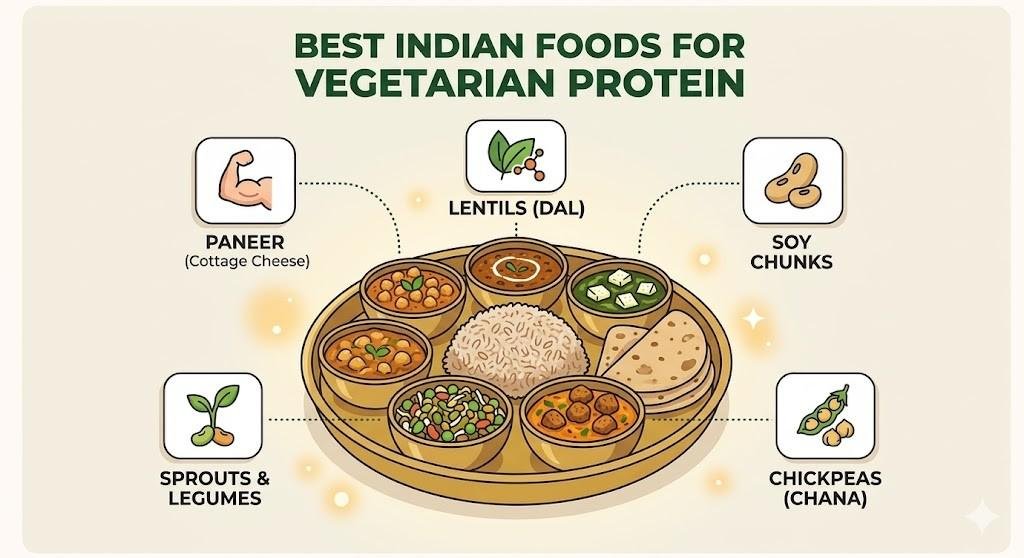
Here are some of the best high protein Indian foods that fit easily into daily meals:
- Moong dal, chana dal, toor dal – Lentils are the backbone of Indian vegetarian protein
- Paneer – One of the richest protein rich Indian foods, great in curries or grilled
- Rajma and chole – Kidney beans and chickpeas, perfect for a filling lunch
- Soya chunks – Extremely high in protein and easy to add to sabzis
- Curd and buttermilk – Simple, everyday protein boosters
- Sprouts – Cheap, easy to make, and loaded with plant protein
- Peanuts and almonds – Great as snacks or in chutneys
High Protein Indian Vegetables
Most vegetables are low in protein compared to lentils and dairy, but a few stand out as genuinely high protein Indian vegetables:
- Green peas (matar) – A solid protein source, great in pulao or sabzi
- Spinach (palak) – Small amount of protein plus iron and calcium
- Broccoli – Not traditional, but increasingly common in Indian kitchens
- Sweet corn – Decent protein along with fibre
- Mushrooms – Often overlooked, but a good plant protein option
Protein Rich Indian Food Chart
Here’s a simple protein rich Indian food chart to give you a rough idea (per 100g, cooked):
| Food | Protein (approx.) |
| Soya chunks | 52g |
| Paneer | 18g |
| Moong dal | 24g |
| Rajma (kidney beans) | 22g |
| Chana (chickpeas) | 19g |
| Curd | 3-4g |
| Peanuts | 25g |
| Almonds | 21g |
Keep this protein rich Indian food chart handy when you’re planning meals for the week. It makes it much easier to hit your daily protein needs without overthinking every meal.
Vitamin B12 Foods Vegetarian Indian Diet
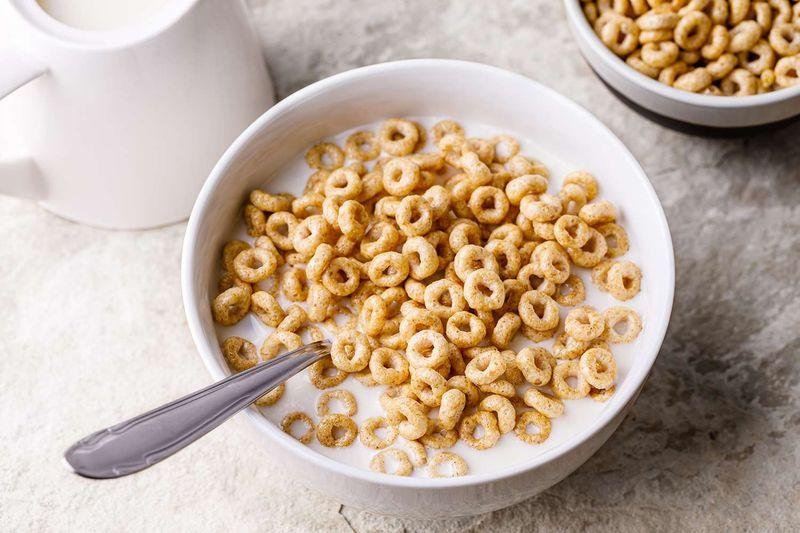
This is where most vegetarians in India actually fall short. True vitamin B12 in a natural, unfortified form is mostly found in animal products. But there are still a few vegetarian-friendly options worth knowing:
- Milk and dairy products – Milk, curd, and paneer contain some B12
- Fortified foods – Some cereals, plant milks, and health drinks are now fortified with B12
- Fortified nutritional yeast – Increasingly available in India and a good add-on for smoothies or sprinkled on food
Here’s the honest truth though — many vegetarians in India still end up deficient in B12 even with these foods, simply because the amounts are small. This is one area where getting your levels tested and talking to an expert really helps, rather than guessing.
Calcium Rich Indian Food
Strong bones need more than just milk. These calcium rich Indian foods are easy to include daily:
- Ragi (finger millet) – One of the richest plant sources of calcium
- Sesame seeds (til) – A small handful goes a long way
- Milk, curd, and cheese – Classic and reliable
- Green leafy vegetables – Spinach, methi, and drumstick leaves
- Almonds – Bonus protein and calcium in one
Fibre Rich Indian Food
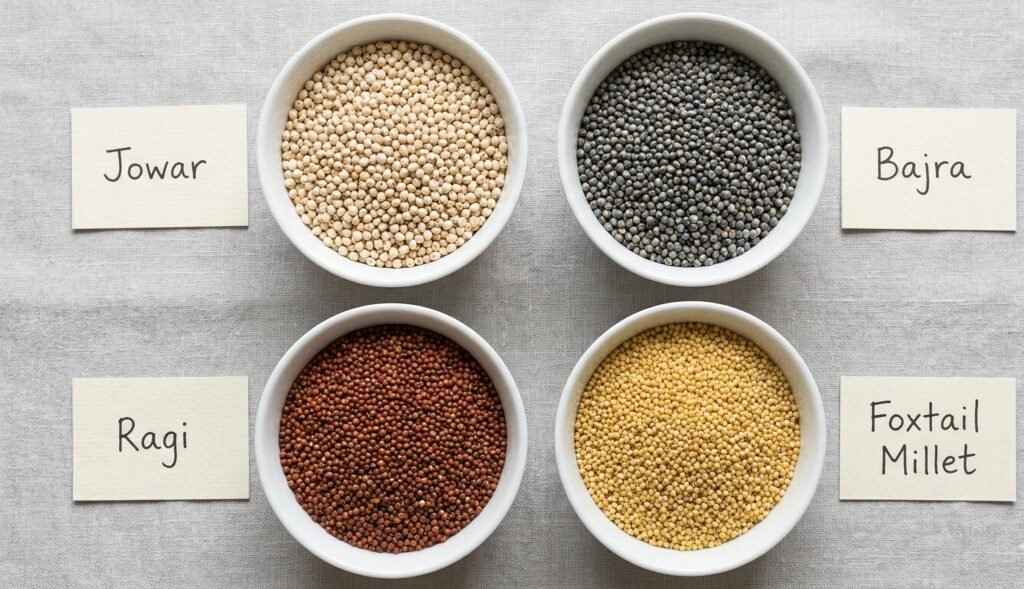
Fibre is the quiet hero of digestion and blood sugar control. Add these fibre rich Indian foods to your plate:
- Whole wheat and millets (jowar, bajra, ragi) – Much better than refined flour
- Lentils and beans – Rajma, chana, and dals are naturally high in fibre
- Fruits with skin – Apples, guava, and pears
- Vegetables – Especially carrots, beetroot, and leafy greens
- Whole grains – Brown rice and oats instead of white rice and maida
How to Put This All Together
You don’t need to eat every single food on this list every day. A simple, realistic approach looks like this:
- One serving of dal or beans with every meal
- Curd or paneer at least once a day
- A handful of nuts or seeds as a snack
- One serving of green leafy vegetables daily
- Millets or whole grains instead of refined flour a few times a week
Small, consistent changes matter far more than trying to overhaul your entire diet overnight.
When You Need Personalized Guidance
Reading about nutrients is one thing. Knowing exactly what your body needs is another. Everyone’s protein, B12, calcium, and fibre requirements are different based on age, activity level, health conditions, and even where you live in India.
If you’re not sure whether you’re getting enough of these nutrients — or if you’ve been feeling low on energy, losing hair, or just want a diet plan that actually fits your lifestyle — it’s worth getting expert help. You can connect with a qualified dietitian and nutritionist in India who can look at your specific needs and build a plan that works for you, not a generic one-size-fits-all chart.
Getting the right guidance early can save you months of guesswork and help you feel genuinely better, faster.
Ready to Build a Diet That Actually Fits You?
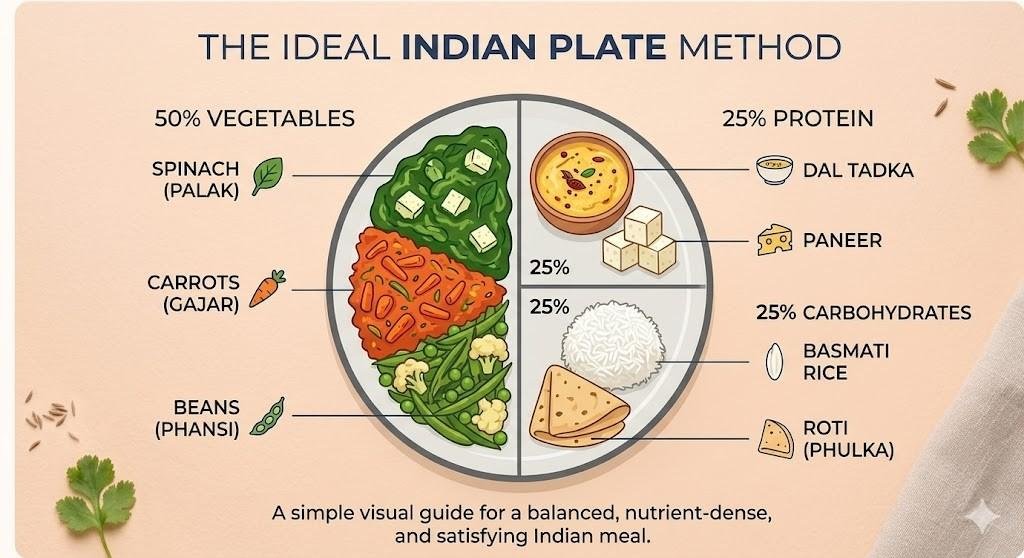
Being vegetarian in India doesn’t mean you’re missing out on protein, calcium, fibre, or even B12. With the right food choices — dals, paneer, millets, curd, nuts, and leafy greens — you can cover most of your nutritional bases naturally. Just keep an eye on B12 specifically, since that’s the one nutrient where vegetarians commonly fall short.
If you’re ready to stop guessing and get a plan built around your own body and lifestyle, contact us today to book your personalized consultation. A few small changes, guided the right way, can make a real difference in how you feel every single day.