Planning your daily meals can be confusing when you are trying to follow a certain calorie level. You may wonder what a 1500 calorie Indian diet plan should look like or what foods can fit into a 2000 calorie Indian diet plan.
The good news is that you do not need fancy foods to build a balanced calorie-based diet. Common Indian foods such as roti, rice, dal, vegetables, curd, fruits, paneer, eggs, and nuts can all be part of your meals.
The main difference is the amount of food and the balance of foods you eat during the day.
In this guide, we will look at simple 1500 and 2000 calorie Indian meal plans, food choices, portion ideas, and the difference between the two.
Note: Calorie needs are different for every person. A 1500 or 2000 calorie diet may not be right for everyone. Your needs can depend on your age, body size, activity level, health goals, and other factors.
What Is a Calorie-Based Indian Diet Plan?
A calorie-based diet plan is a way of planning your meals around a daily calorie target.
Calories come from the food and drinks you have. Your body uses calories for basic body functions, movement, work, exercise, and other daily activities.
For example, a person following a 1500 calorie diet will generally eat less total energy than someone following a 2000 calorie diet.
But calories are not the only thing that matters.
A good meal plan should also include:
- Protein
- Fiber
- Healthy fats
- Whole grains
- Vegetables
- Fruits
- Dairy or suitable alternatives
- Enough water
Indian food can easily fit into a calorie-based meal plan. The key is to pay attention to portion size and food balance.
1500 Calorie Indian Diet Plan
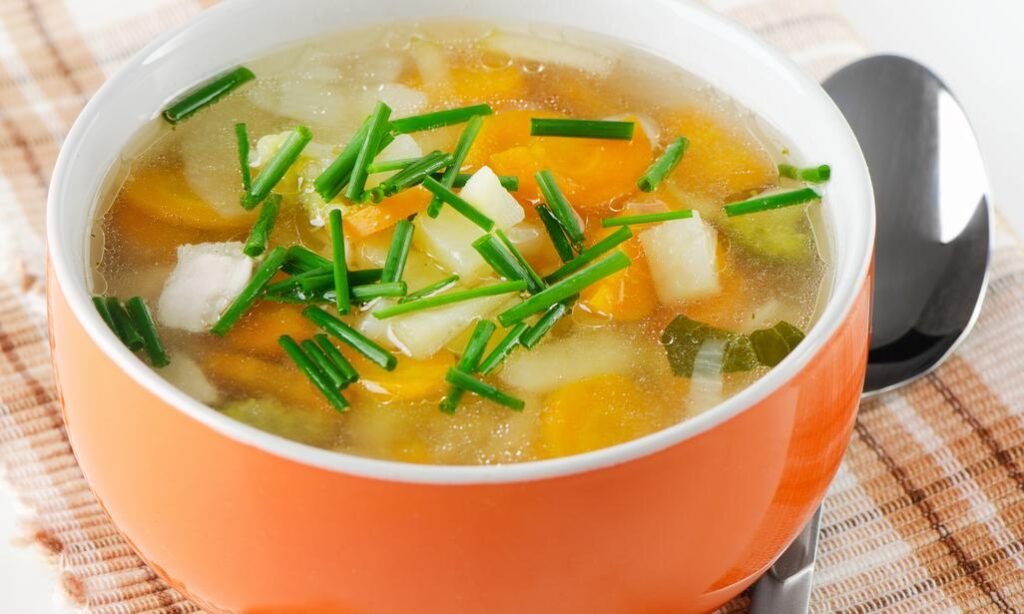
A 1500 calorie Indian diet plan can include simple home-cooked meals. The exact amount of food needed will vary from person to person, so the chart below is an example rather than a fixed plan.
Sample 1500 Calorie Indian Meal Chart
| Meal | Example Foods |
|---|---|
| Early morning | Water + 5–6 soaked almonds |
| Breakfast | 2 moong dal chillas + ½ cup curd |
| Mid-morning | 1 small fruit such as an apple or orange |
| Lunch | 2 small rotis + 1 cup dal + 1 cup vegetable + salad |
| Evening snack | 1 cup tea without added sugar + roasted chana |
| Dinner | 2 small rotis + 1 cup vegetable + paneer/tofu or dal |
| If needed | Small serving of curd or fruit |
This is only a sample. Meals can be changed based on your food preferences.
For example, you can replace roti with a suitable serving of rice, dal with beans, or paneer with tofu, eggs, chicken, or another protein source.
1500 Calorie Indian Diet Plan
The 1500 calorie diet plan Indian style is one of the most balanced options out there. It gives your body enough fuel while still creating a calorie deficit for gradual, steady weight loss.
Early Morning: Warm water with lemon or ajwain water
Breakfast: 2 vegetable oats idli or moong dal cheela + 1 cup curd
Mid-Morning Snack: 1 medium fruit (apple, orange, or pear)
Lunch: 2 rotis + 1 cup dal or rajma + 1 cup sabzi + small bowl of curd + salad
Evening Snack: Sprouts chaat or a handful of roasted makhana
Dinner: 1-2 rotis + paneer bhurji or grilled tofu + sautéed vegetables
This 1500 calorie indian diet is generally easier to sustain compared to the 1200 calorie plan, since it includes slightly larger portions and more variety. Many people find this range to be the sweet spot between results and staying satisfied throughout the day.
Foods You Can Include in a 1500 Calorie Indian Diet
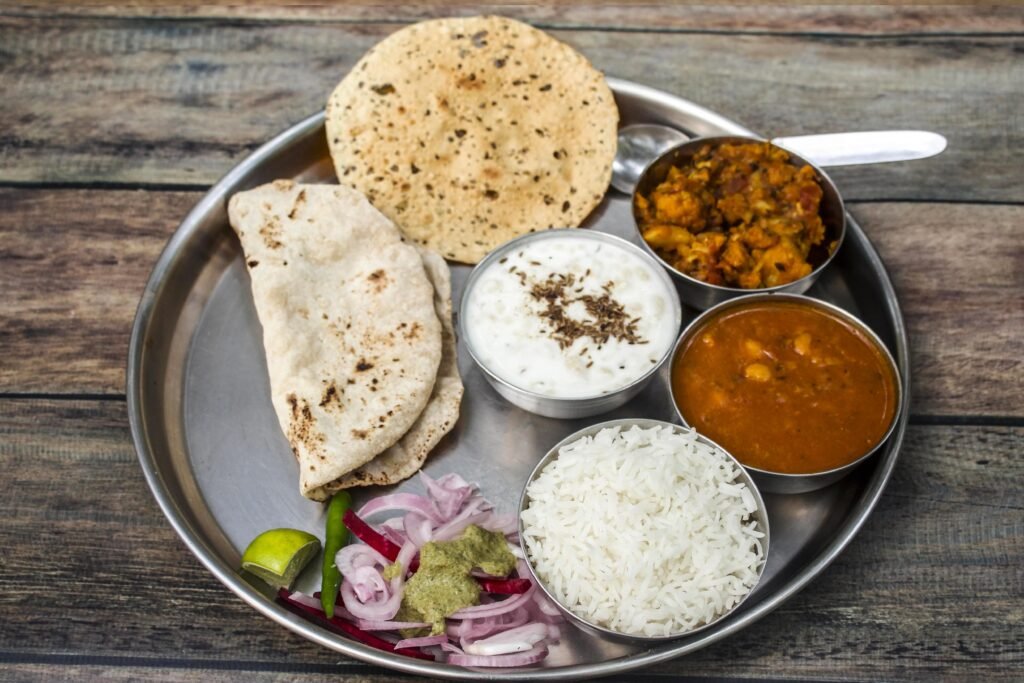
Some simple choices include:
Breakfast
- Vegetable poha
- Upma with vegetables
- Idli with sambar
- Moong dal chilla
- Vegetable oats
- Besan chilla
Lunch
- Roti
- Brown or regular rice
- Dal
- Rajma
- Chole
- Mixed vegetables
- Salad
- Curd
Snacks
- Fruit
- Roasted chana
- Makhana
- Buttermilk
- A small portion of nuts
Dinner
- Roti with vegetables and dal
- Paneer with vegetables
- Khichdi with curd
- Soup with a protein-rich side
- Rice with dal and vegetables
If you want a more detailed weekly plan, you can also follow a 1500 calorie Indian diet plan with different meal ideas for each day.
2000 Calorie Indian Diet Plan
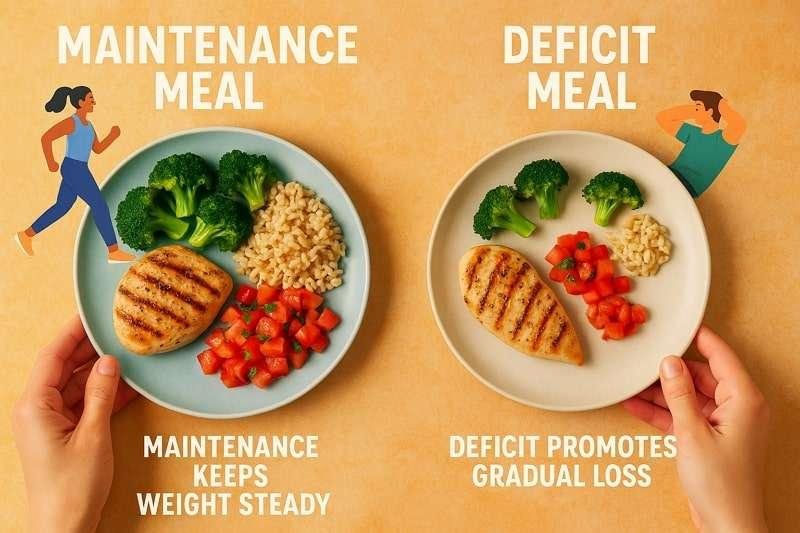
A 2000 calorie Indian diet plan allows for more food than a 1500 calorie plan. It can include larger portions or an extra snack, depending on the person’s needs.
Again, 2000 calories is not a target that everyone needs. Some people may need more, while others may need less.
Sample 2000 Calorie Indian Meal Chart
| Meal | Example Foods |
|---|---|
| Early morning | Water + 6–8 soaked almonds |
| Breakfast | 2–3 vegetable or moong dal chillas + curd + 1 fruit |
| Mid-morning | 1 fruit + small handful of nuts |
| Lunch | 2–3 rotis + 1 cup dal + 1 cup vegetable + salad + curd |
| Evening snack | Roasted chana or makhana + tea/milk |
| Dinner | 2–3 rotis or rice + dal/paneer/chicken + vegetables |
| Bedtime, if needed | Milk or another suitable snack |
The portions can be adjusted based on the person’s total calorie needs.
Foods You Can Include in a 2000 Calorie Indian Diet
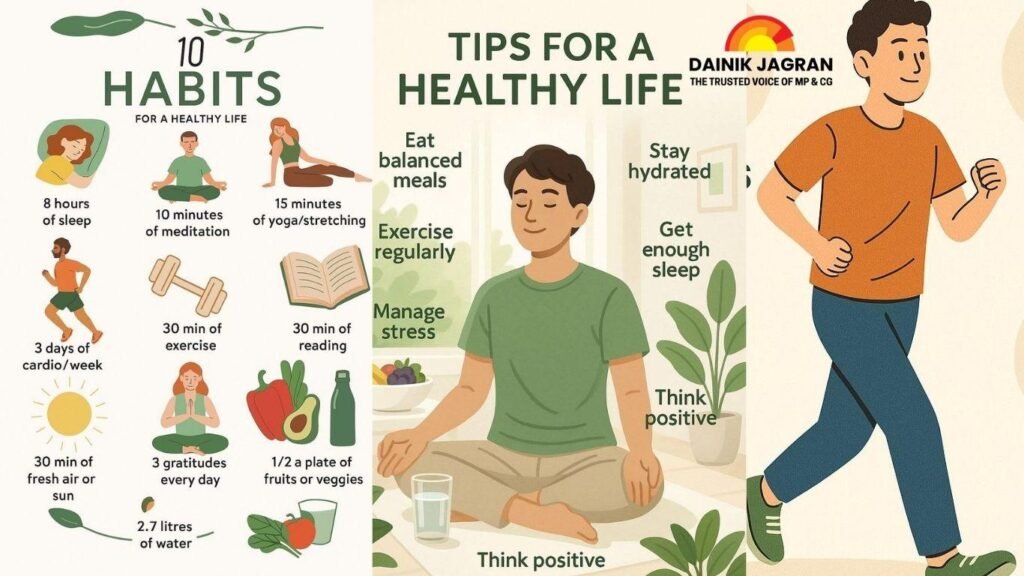
A balanced 2000 calorie meal plan can include:
- Roti
- Rice
- Oats
- Poha
- Upma
- Idli
- Dosa
- Dal
- Rajma
- Chole
- Paneer
- Tofu
- Eggs
- Chicken or fish
- Vegetables
- Fruits
- Curd
- Milk
- Nuts and seeds
You do not need to remove rice, roti, or other common Indian foods just because you are following a calorie-based diet. The amount and overall balance of your meals matter.
1500 vs 2000 Calories: What’s the Difference?
The biggest difference is the total amount of energy provided by the diet.
| 1500 Calorie Diet | 2000 Calorie Diet |
|---|---|
| Lower daily calorie intake | Higher daily calorie intake |
| Usually has smaller portions | Can include larger portions |
| May include fewer snacks | May allow more snacks or larger meals |
| Can include the same types of foods | Can include the same types of foods |
| Total food intake is adjusted to the calorie target | Total food intake is adjusted to the calorie target |
For example, both plans can include roti, dal, vegetables, rice, fruit, and curd.
The difference can simply be the portion size and total food intake.
How to Choose the Right Calorie Intake
There is no single calorie number that works for everyone.
Your calorie needs can depend on:
- Age
- Height
- Weight
- Daily activity
- Exercise
- Body composition
- Health goals
- Medical conditions
- Lifestyle
Someone who is very active may need more calories than someone who spends most of the day sitting.
This is why choosing a calorie target only because it is popular online may not be the best approach.
If you are trying to lose weight, a well-planned diet plan for weight loss should focus on enough nutrition along with a suitable calorie intake.
Best Indian Foods for a Balanced Calorie Diet
You can build a balanced Indian meal using simple foods.
1. Whole Grains
Roti, oats, brown rice, regular rice, millet, and other grains can provide carbohydrates and energy.
2. Dal and Beans
Dal, rajma, chole, and other beans provide protein, fiber, and other nutrients.
3. Vegetables
Try to include different vegetables across your meals. They can add fiber, vitamins, minerals, and volume to your plate.
4. Fruits
Choose whole fruits such as apples, oranges, guava, papaya, berries, bananas, or seasonal fruits.
5. Protein Foods
Paneer, tofu, curd, milk, eggs, chicken, fish, dal, beans, and other protein-rich foods can help make meals more filling and balanced.
6. Nuts and Seeds
Almonds, walnuts, chia seeds, flax seeds, pumpkin seeds, and other nuts and seeds can be included in small portions.
They are nutritious but also calorie-dense, so portion size matters.
Simple Tips for Following a Calorie-Based Indian Diet
Following a calorie-based diet does not mean you have to eat boring food.
Here are some simple tips:
Watch Your Portions
Even healthy foods can add a lot of calories when eaten in large amounts. Pay attention to how much you are eating.
Add Protein to Your Meals
Include foods such as dal, beans, paneer, tofu, eggs, curd, chicken, or fish depending on your diet.
Eat More Vegetables
Vegetables can help add volume and fiber to your meals without adding too many calories.
Choose Whole Fruit
Whole fruit is usually a better everyday choice than fruit juice because it provides fiber.
Be Careful With Extra Oil
Oil, butter, ghee, sauces, and spreads can add calories quickly. Use them in sensible amounts.
Do Not Skip Meals Just to Save Calories
Skipping meals can make it harder for some people to manage hunger later in the day. A regular meal pattern may work better.
Drink Enough Water
Water is important for normal body functions. Keep water available throughout the day and drink according to your needs.
Can a 1500 or 2000 Calorie Diet Help With Weight Loss?
It can, but it depends on the person.
Weight loss happens when your body uses more energy than you take in over time. However, the calorie level needed for weight loss is different for each person.
For one person, 1500 calories may create a calorie deficit. For another person, it may not be enough or may not be appropriate.
The quality of the diet also matters. A weight-loss diet should still provide enough protein, fiber, vitamins, minerals, and other nutrients.
Instead of choosing a calorie target based only on a number you found online, it is better to choose a plan based on your individual needs.
1500 and 2000 Calorie Indian Diet: Common Mistakes to Avoid
A few common mistakes can make calorie-based eating harder.
Eating Too Little Protein
A meal made mostly of rice or roti may not keep you full for long. Add a protein source such as dal, beans, paneer, curd, eggs, chicken, or fish.
Ignoring Cooking Oil
People often count the main foods but forget the oil, ghee, butter, sauces, and other additions used during cooking.
Drinking Too Many Calories
Sugary drinks, sweetened tea or coffee, shakes, and other beverages can add calories quickly.
Following the Same Plan Every Day
A varied diet can make it easier to get different nutrients and enjoy your meals.
Choosing a Calorie Target Without Checking Your Needs
A diet should fit the person, not the other way around.
Frequently Asked Questions
Is 1500 calories enough for weight loss?
It may be suitable for some people, but not for everyone. Your calorie needs depend on factors such as age, body size, activity level, and health goals.
What is a good 1500 calorie Indian diet plan?
A balanced 1500 calorie Indian diet can include roti, rice, dal, vegetables, fruits, curd, paneer, eggs, beans, and other protein-rich foods. Portion size should be adjusted to fit the total calorie target.
What is a 2000 calorie Indian diet plan?
A 2000 calorie Indian diet plan provides around 2000 calories from a mix of carbohydrates, protein, fats, vegetables, fruits, and other nutritious foods. Common Indian meals such as roti, rice, dal, vegetables, curd, paneer, eggs, chicken, and fish can fit into the plan.
Is a 2000 calorie diet good for weight loss?
Not necessarily. Whether 2000 calories supports weight loss depends on your individual calorie needs. For some people it may lead to weight loss, while for others it may maintain their weight or provide too many calories.
Can I eat rice on a 1500 calorie Indian diet?
Yes. Rice can be part of a 1500 calorie diet. The important part is the portion size and what you eat with it. Pairing rice with dal, vegetables, and a protein source can make the meal more balanced.
Can I eat roti on a 2000 calorie diet?
Yes. Roti can easily fit into a 2000 calorie Indian diet. The number of rotis you need depends on your total calorie and nutrition needs.
Is a 1500 calorie diet better than a 2000 calorie diet?
Neither is automatically better. The right calorie intake depends on the individual. A good diet should provide enough nutrition while matching your personal needs and goals.
A Simple Way to Build Your Indian Meal Plan
A calorie-based diet does not have to be complicated.
Whether you follow a 1500 or 2000 calorie plan, start with simple Indian foods and build balanced meals around them.
Try to include:
- A source of protein
- A serving of vegetables
- A suitable portion of grains or other carbohydrates
- Fruit during the day
- Healthy fats in moderate amounts
- Enough water
The goal should not be to follow a number perfectly every day. The bigger goal is to build eating habits that are nutritious, practical, and easy to follow over time.
If you are unsure which calorie level is right for you, getting a personalized plan can help you avoid eating too little or too much while still meeting your nutrition needs.
If you want a diet plan that’s actually built around your body, your goals, and your daily routine, contact us today to book a personalized consultation. You’ll get a real plan, real support, and real results — instead of guessing your way through a generic chart.