“Just eat healthy” is probably the most unhelpful advice you’ve received since being diagnosed with PCOS. Healthy for who? Based on what? PCOS affects hormones, insulin, and metabolism differently in every woman, so a general “eat clean” instruction doesn’t really tell you anything useful.
What actually helps is knowing, specifically, which foods support your hormones and which ones work against them. So let’s break down PCOS foods to eat and avoid in a way that’s simple, practical, and doesn’t require you to overhaul your entire kitchen overnight.
Why Food Choices Matter So Much in PCOS

At the core of most PCOS cases is insulin resistance — your body’s cells don’t respond to insulin as efficiently as they should, so your pancreas produces more of it. Extra insulin pushes your ovaries to produce more androgens (male hormones), which is what leads to irregular periods, acne, excess hair growth, and stubborn weight gain.
Food is one of the biggest levers you have to control insulin levels. This is exactly why the right food to eat in PCOS can make a visible difference within a few weeks — better energy, fewer cravings, more regular cycles over time.
Foods to Eat in PCOS
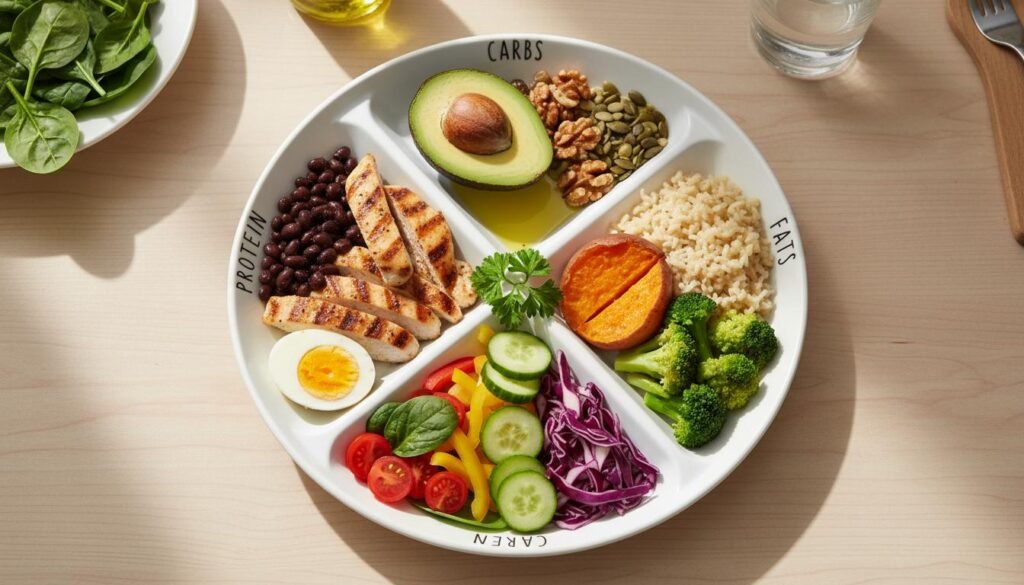
These food groups help stabilize blood sugar, reduce inflammation, and support hormone balance:
1. High-fiber vegetables
Broccoli, spinach, cauliflower, beans, and leafy greens slow down sugar absorption and keep you full longer.
2. Complex carbohydrates
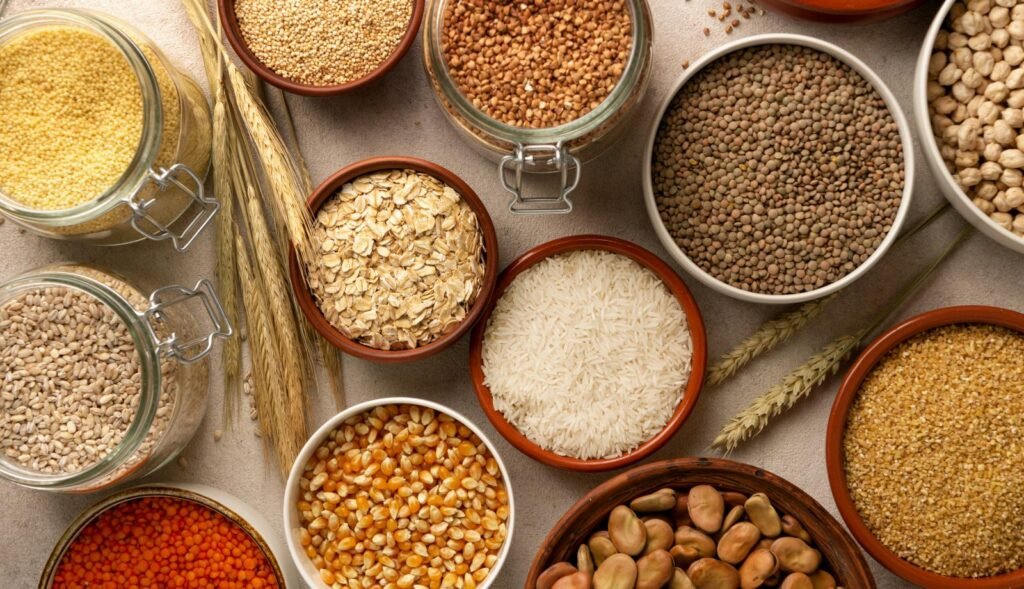
Millets (bajra, jowar, ragi), oats, brown rice, and quinoa release energy slowly, unlike refined carbs that spike blood sugar quickly.
3. Lean protein at every meal
Eggs, paneer, tofu, fish, chicken, and lentils help balance blood sugar and keep hunger in check.
4. Healthy fats
Nuts, seeds, olive oil, and ghee (in moderation) support hormone production — yes, your body actually needs fat to make hormones.
5. Anti-inflammatory foods
Turmeric, ginger, berries, walnuts, and green tea help reduce the low-grade inflammation commonly seen in PCOS.
6. Fermented foods
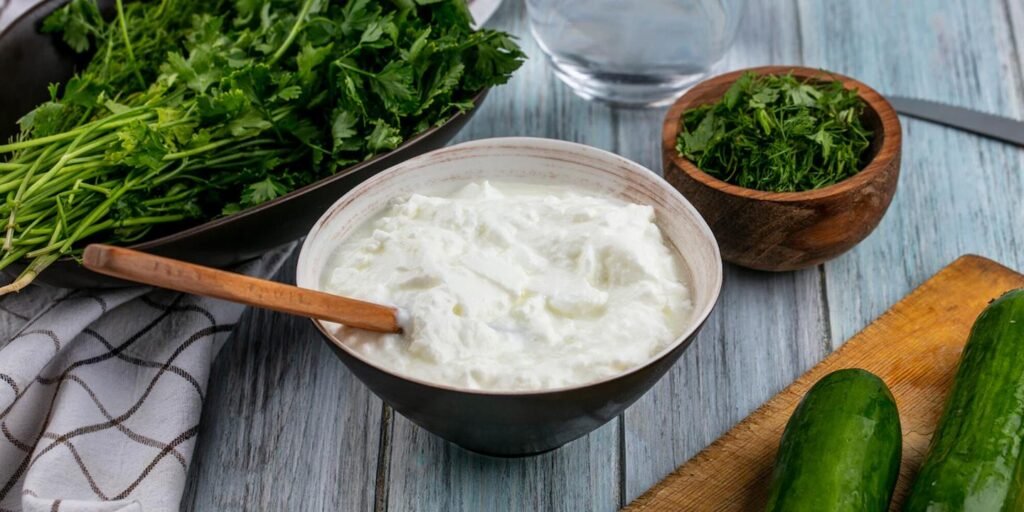
Curd, buttermilk, and other probiotic-rich foods support gut health, which is closely linked to hormone regulation.
Foods to Avoid with PCOS
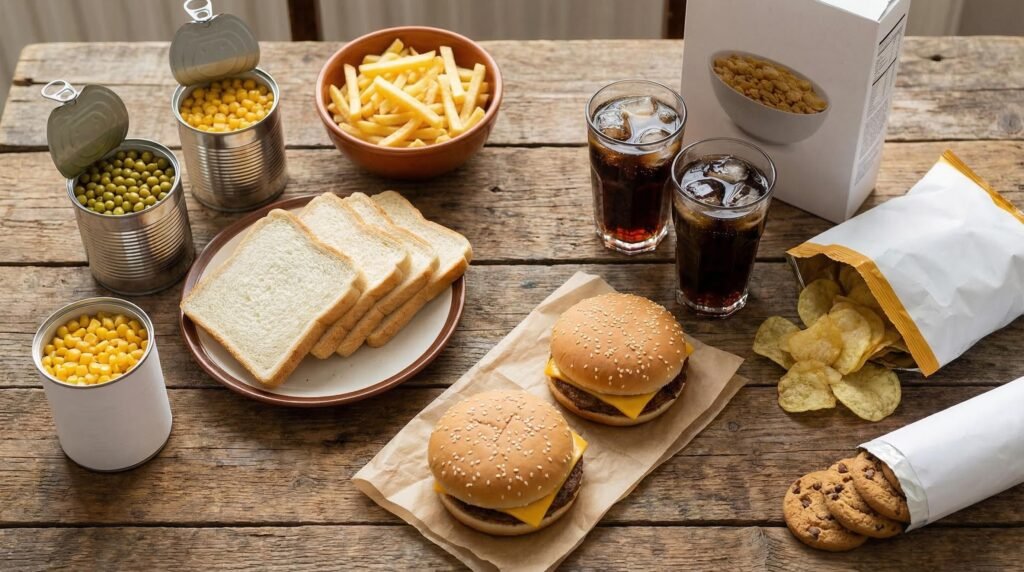
These don’t need to be eliminated forever, but minimizing them makes a real difference:
1. Refined sugar and sweets
Sugar spikes insulin fast, which directly worsens androgen production. This includes obvious sources (sweets, sugary drinks) and hidden ones (ketchup, flavored yogurt, packaged sauces).
2. Refined flour (maida) products
White bread, bakery items, and most packaged snacks behave like sugar in the body — quick spike, quick crash.
3. Deep-fried and processed foods
These increase inflammation and are usually calorie-dense without much nutritional value.
4. Excess caffeine
More than 1-2 cups of coffee a day can affect cortisol levels, which in turn affects insulin and reproductive hormones.
5. Packaged fruit juices and sodas
Even “100% juice” often has concentrated sugar without the fiber that whole fruit provides.
6. Excess dairy (for some women)
Not everyone with PCOS needs to avoid dairy, but some women find their acne and inflammation improve when they reduce cow’s milk specifically. This varies person to person.
A Quick Way to Think About It
Instead of memorizing long lists, ask yourself before eating: “Will this spike my blood sugar quickly, or release it slowly?” Foods closer to their natural form (vegetables, whole grains, lean protein) almost always release energy slowly. Foods that are refined, sugary, or deep-fried usually spike it fast.
This one filter alone can guide most of your daily food choices even without following a strict diet chart.
Why This Still Needs to Be Personalized
Reading a list of foods to avoid with PCOS is a good starting point, but PCOS shows up differently in every woman — some deal more with weight gain, others with acne, irregular cycles, or hair thinning. The right approach depends on which type of PCOS you’re dealing with and how your body specifically responds to different foods.
If you want to understand PCOS in more depth — the types, symptoms, and root causes — take a look at our detailed guide on PCOS for a fuller picture.
Ready for a Plan Built Around You?
Knowing what to eat and avoid is step one. Turning that into a realistic, day-to-day plan that fits your routine, preferences, and specific symptoms is where actual results happen.
If you’d like guidance that’s tailored to your body rather than a generic list, reach out to us — we’ll help you build a nutrition approach that actually works for you, long term.
FAQs
1. Can I eat fruit if I have PCOS?
Yes, whole fruits are fine and even beneficial in moderation. Choose lower-glycemic options like berries, apples, and pears, and pair them with a protein or fat source (like nuts) to slow sugar absorption.
2. Is rice bad for PCOS?
Rice itself isn’t “bad” — portion size and pairing matter more. Brown rice or smaller portions of white rice paired with protein and vegetables is generally fine for most women.
3. Do I need to completely stop eating sugar with PCOS?
Not necessarily. The goal is reducing frequency and quantity, not eliminating it entirely, which tends to be more sustainable long-term than strict restriction.