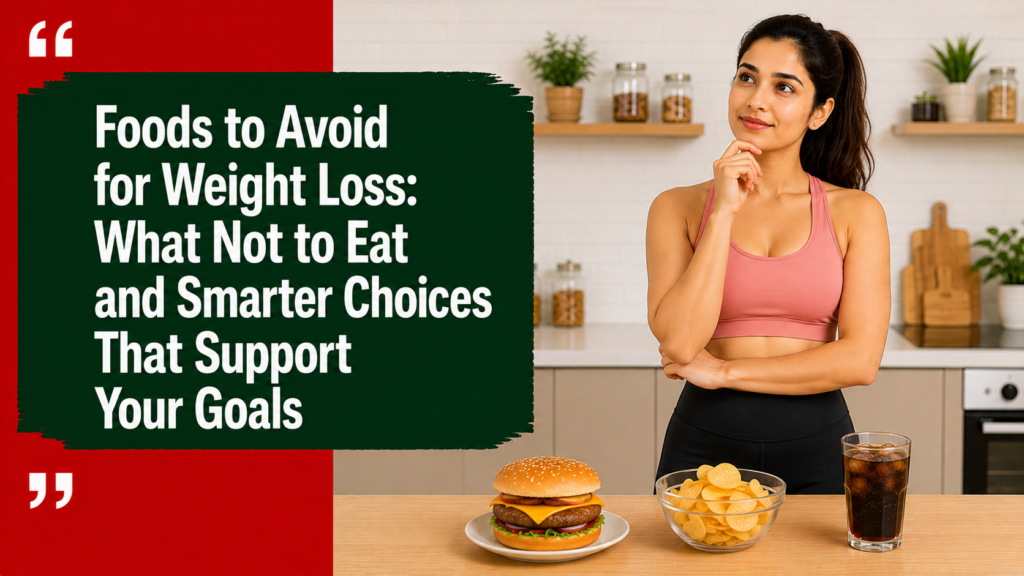
Losing weight is not only about reducing calories; it is all about making right dietary decisions on a daily basis. Most people are concerned about reducing their calories but tend to forget how certain foods impact their hunger, energy, and overall diet. Certain foods may have minimal calories, but if consumed too much, they will become an obstacle to weight loss.
If you were trying to figure out which foods to avoid for weight loss, the answer is not about avoiding your favorite dishes at all. It is more about minimizing consumption of foods rich in added sugars and unhealthy fats.
In this article, we will discuss what you should avoid to lose weight, which calorie-rich foods you should minimize in your diet, and what healthy alternatives are worth considering.
Why Food Choices Matter During Weight Loss
The weight loss occurs when you consume less energy than you burn. Nevertheless, all the consumed calories do not affect the organism equally.
Processed products are typically loaded with calories but poor in fiber and protein. Therefore, one might become hungry quite fast after eating such food, thus being prone to overeating during the course of the day.
In contrast, foods containing enough amount of protein, fibers, and healthy fat make you feel full for a longer period. Furthermore, they contain useful nutrients which help to stay healthy while you are on the diet.
Rather than imposing rigid limitations on yourself regarding the consumption of certain foods, try to develop the healthy eating habits that would last for a long time.
What Foods to Avoid to Lose Weight
No single food causes weight gain on its own. However, regularly eating certain foods in large amounts can make it more difficult to achieve your weight-loss goals.
1. Sugar-Sweetened Beverages
Soft drinks, packaged fruit juices, sweetened iced teas, and energy drinks are among the biggest sources of added sugar in many diets.
These drinks provide calories without making you feel full, which means it’s easy to consume more energy than your body needs.
Better choices include:
- Water
- Lemon water without added sugar
- Coconut water (in moderation)
- Unsweetened buttermilk
- Plain green tea
2. Deep-Fried Foods
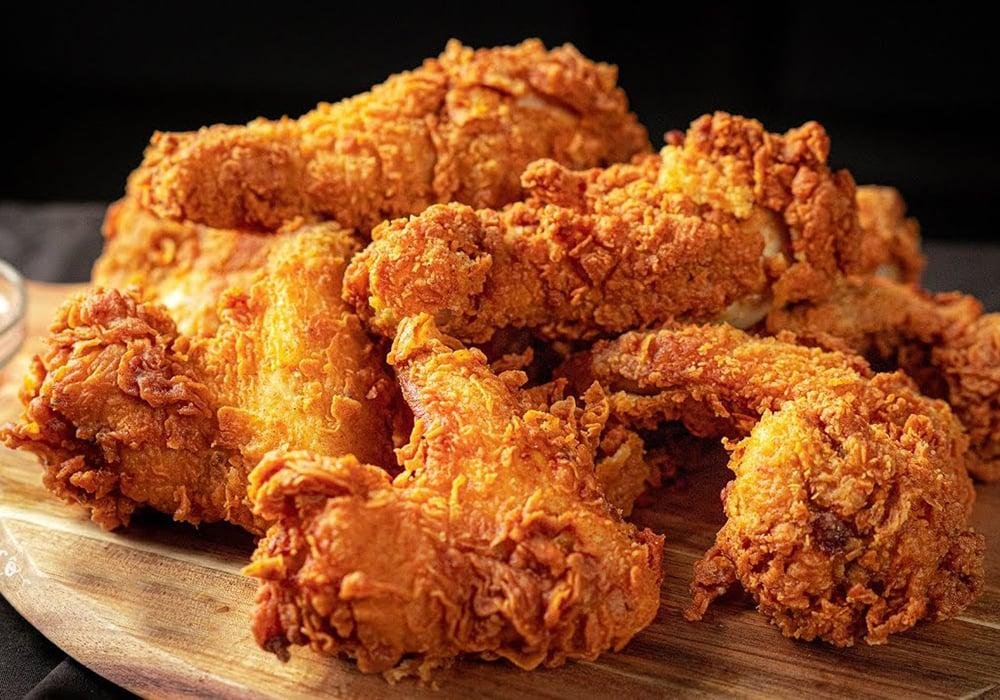
Foods such as French fries, fried chicken, pakoras, samosas, and chips absorb a significant amount of oil during cooking.
While enjoying them occasionally is perfectly fine, eating fried foods frequently can increase your calorie intake and make weight management more challenging.
Try baking, grilling, roasting, or air-frying instead to reduce the amount of added fat.
3. Cakes, Pastries and Sweet Desserts
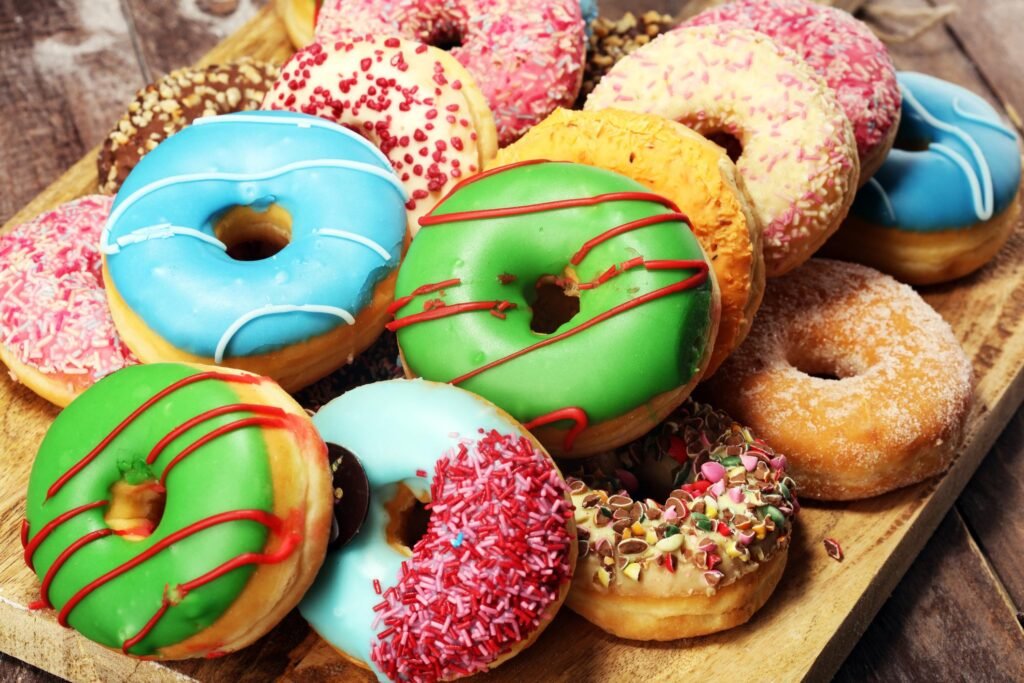
Desserts are often high in sugar, refined flour, and saturated fat.
These foods are usually low in fibre and protein, so they may not keep you full for long.
Rather than avoiding desserts completely, enjoy them occasionally and keep portions reasonable.
If you have a sweet craving, fresh fruit with plain yogurt or a handful of nuts can be a satisfying alternative.
4. Refined Carbohydrates
White bread, white pasta, refined flour products, and many bakery items are made using highly processed grains.
Because they contain less fibre than whole grains, they are digested more quickly and may leave you feeling hungry sooner.
Choosing whole-grain bread, brown rice, oats, quinoa, or millets can provide more fibre and help support better satiety.
5. Highly Processed Snacks
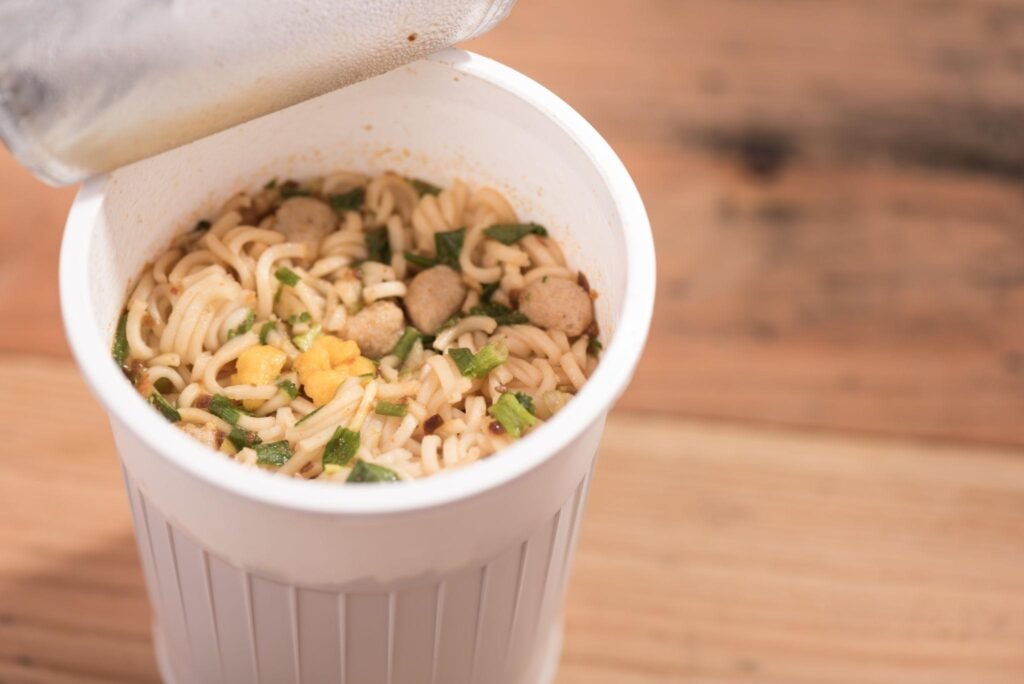
Packaged snacks such as potato chips, cheese puffs, namkeen, and instant noodles are often high in calories, salt, and unhealthy fats.
These foods are easy to eat quickly without noticing portion sizes.
Instead, keep healthier snacks available, such as:
- Roasted chana
- Fresh fruit
- Unsalted nuts
- Sprouts
- Homemade popcorn
6. Fast Food and Takeaway Meals
Fast food meals are often prepared with large amounts of oil, refined carbohydrates, and high-calorie sauces.
Large portion sizes can also increase your calorie intake without providing enough fibre or essential nutrients.
If you’re eating out, look for grilled, baked, or steamed options whenever possible, and include vegetables as part of your meal.
7. High-Calorie Coffee and Milk-Based Drinks
Many café-style beverages contain flavoured syrups, whipped cream, chocolate, and added sugar.
Although they seem like drinks, they can contain as many calories as a meal.
Choosing plain coffee, unsweetened tea, or coffee with a small amount of milk can help reduce unnecessary calorie intake.
8. Alcohol
Alcohol provides extra calories while offering little nutritional value.
It may also increase appetite and make it harder to make balanced food choices.
If you drink alcohol, moderation is important, especially if you’re working towards weight-loss goals.
High-Calorie Foods to Avoid (and Better Alternatives)
While no food needs to be completely banned, some foods are easy to overeat because they are high in calories and low in nutrients. If you’re trying to lose weight, reducing these foods can make it easier to stay within your daily calorie needs.
| High-Calorie Food | Better Alternative |
| Potato chips | Roasted chana or air-popped popcorn |
| Sugary soft drinks | Water, lemon water, or unsweetened buttermilk |
| White bread | Whole-grain bread |
| Ice cream | Greek yogurt with fresh fruit |
| Fried snacks | Roasted or air-fried snacks |
| Sugary breakfast cereals | Oats with nuts and seeds |
| Creamy pasta | Whole-wheat pasta with vegetables |
| Milkshakes | Homemade fruit smoothie without added sugar |
These simple swaps can help lower your calorie intake while still keeping your meals enjoyable and satisfying.
Foods You Should Eat More Often
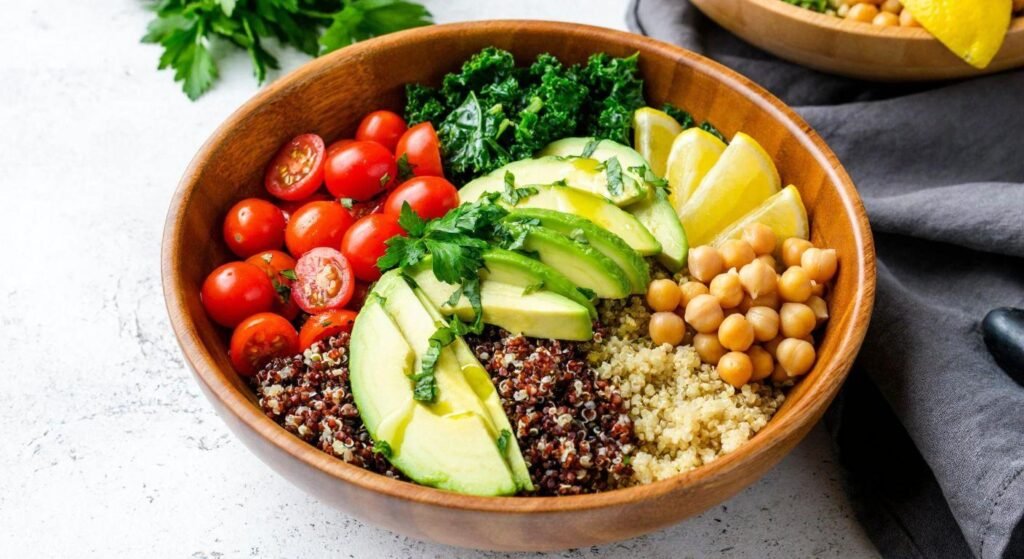
Weight loss isn’t only about avoiding certain foods. It’s equally important to include foods that nourish your body and help you stay full.
Try to build most of your meals around:
- Fresh vegetables
- Seasonal fruits
- Whole grains such as oats, brown rice, quinoa, and millets
- Lean protein like eggs, fish, chicken, paneer, tofu, and dals
- Healthy fats from nuts, seeds, and olive oil
- Low-fat dairy or unsweetened yogurt
A balanced plate containing protein, fibre, and healthy fats is usually more satisfying than a meal made mostly of refined carbohydrates.
Things to Avoid During Weight Loss
Besides food choices, certain daily habits can also slow your progress.
Skipping Meals
Many people think skipping meals will help them lose weight faster. In reality, it often leads to increased hunger later in the day, making overeating more likely.
Eating Too Quickly
Eating in a hurry gives your brain less time to recognise fullness. Slowing down and eating mindfully can help you better control portion sizes.
Mindless Snacking
Snacking while watching television or scrolling on your phone can make it easy to eat more than you realise.
Drinking Your Calories
Sugary beverages, sweetened coffees, and milkshakes can add hundreds of extra calories without making you feel full.
Following Crash Diets
Very restrictive diets may produce quick weight loss, but they are difficult to maintain and often lead to weight regain. A balanced eating pattern is generally more sustainable.
Natural Home Remedies That May Support Weight Loss
Many people search for the best home remedy for weight loss, hoping for a quick solution. The truth is that there is no single drink, food, or home remedy that melts body fat.
However, some healthy habits can support weight management when combined with a balanced diet and regular exercise.
Drink Enough Water
Drinking water before meals may help some people feel fuller, making it easier to manage portion sizes.
Start Your Day with a Protein-Rich Breakfast
A breakfast that includes eggs, Greek yogurt, paneer, or sprouts may help reduce hunger later in the day.
Increase Fibre Intake
Vegetables, fruits, legumes, oats, and whole grains are naturally rich in fibre, which supports digestion and helps you stay satisfied for longer.
Get Enough Sleep
Poor sleep can affect hormones that regulate hunger and appetite. Most adults benefit from around 7–9 hours of quality sleep each night.
Stay Physically Active
Walking, cycling, swimming, strength training, or any activity you enjoy can help support a healthy weight when combined with balanced eating.
Remember, natural remedies for weight loss work best when they become part of your daily lifestyle rather than being treated as quick fixes.
Maintenance Diet: Keeping the Weight Off
Losing weight is only one part of the journey. Maintaining that weight over time is equally important.
A healthy maintenance diet focuses on consistency rather than perfection.
Some simple habits include:
- Continue eating balanced meals.
- Include protein with every main meal.
- Stay physically active most days of the week.
- Monitor portion sizes without becoming overly restrictive.
- Enjoy your favourite treats occasionally instead of eliminating them completely.
- Drink enough water throughout the day.
Sustainable habits are more effective than extreme dieting for long-term success.
Frequently Asked Questions
1. What foods should I avoid to lose weight?
Limit foods high in added sugar, refined carbohydrates, unhealthy fats, and excess calories, such as sugary drinks, fried foods, pastries, and highly processed snacks.
2. Can I eat rice while trying to lose weight?
Yes. Rice can be part of a healthy weight-loss diet when eaten in appropriate portions and paired with vegetables and a good source of protein.
3. Is it necessary to stop eating sweets completely?
No. Enjoying sweets occasionally is unlikely to affect your progress if your overall eating pattern is balanced.
4. Which snacks are better for weight loss?
Fresh fruit, roasted chana, unsalted nuts, sprouts, yogurt, and homemade popcorn are nutritious snack options.
5. What is the best home remedy for weight loss?
There isn’t one miracle remedy. A combination of healthy eating, regular exercise, good sleep, hydration, and consistency delivers the best long-term results.
Build Healthy Eating Habits for Long-Term Weight Loss Success
Successful weight loss isn’t about completely avoiding your favourite foods—it’s about making healthier choices more often and building habits you can maintain for life. Instead of focusing on strict food restrictions, aim for a balanced eating pattern that includes nutrient-rich foods, regular physical activity, and mindful eating.
If you’re struggling to lose weight, dealing with repeated weight gain, or unsure which foods are right for your body, personalised nutrition guidance can make a real difference. A dietician for weight loss can provide evidence-based, customised guidance based on your health goals, lifestyle, and food preferences. Dietician Richa creates personalised diet plans designed to help you achieve healthy and sustainable weight loss without following extreme diets.