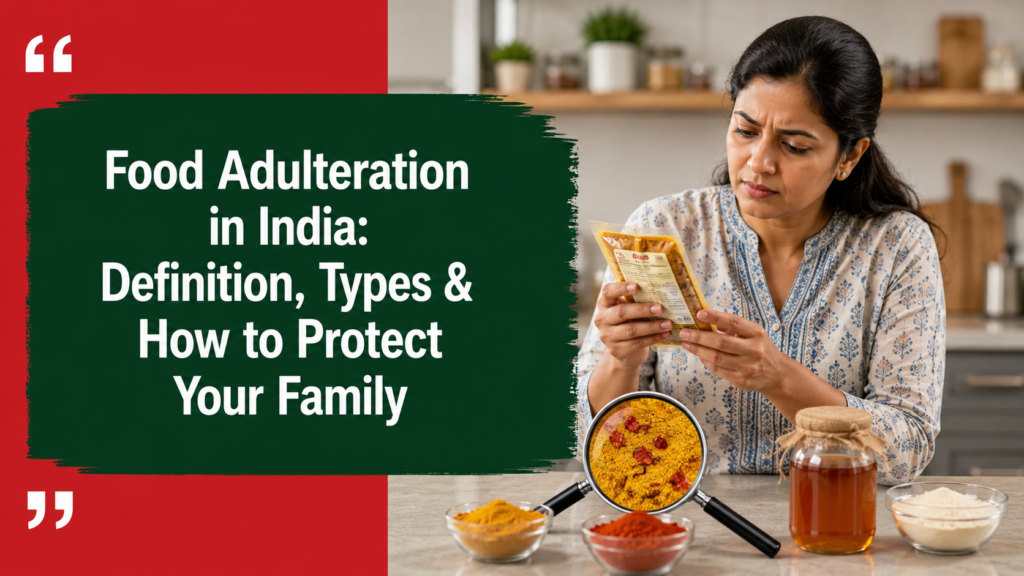
Have you ever bought bright red chili powder, pure-looking honey, or milk that seemed unusually thin? Sometimes, the food we buy may contain another substance that should not be there.
This is known as food adulteration. It can happen when a food product is mixed with a cheaper substance, an unwanted material, or another substance that changes its quality or safety.
Food adulteration in India can affect everyday foods such as milk, spices, edible oils, honey, pulses, tea, and grains. Knowing what food adulteration means, how it happens, and how to make safer food choices can help you protect yourself and your family.
What Is Food Adulteration? (Definition)
Let us start with the basics.
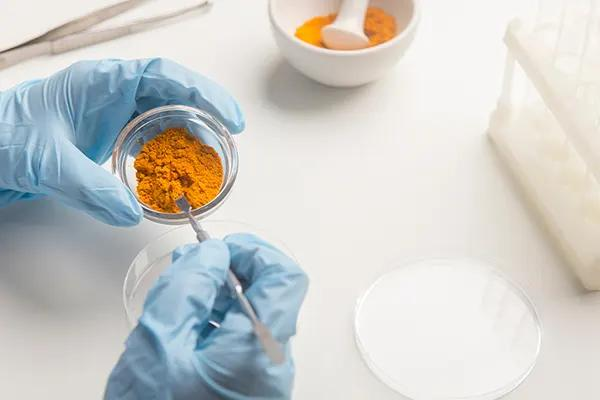
Food adulteration means adding, removing, or mixing substances in food in a way that reduces its quality, value, or safety.
The unwanted substance added to food is called an adulterant. It may be added intentionally to increase quantity, reduce cost, improve appearance, or make a product last longer. Food can also become contaminated accidentally during production, storage, handling, or transportation.
For example, adding water to milk can increase its volume but reduce its nutritional quality. Similarly, adding low-cost fillers or non-permitted colors to spices can change their natural quality.
In simple words, food adulteration happens when the food you buy is not what it claims to be or contains unwanted substances.
Why Does Food Adulteration Happen?
There are several reasons why food may be adulterated. Some common reasons include:
- To increase profit: Cheaper substances may be added to reduce production costs.
- To increase quantity: Adding another substance can make the product appear larger or more abundant.
- To improve appearance: Some substances may be used to make food look brighter or more attractive.
- To increase shelf life: Certain unwanted substances may be added to help food last longer.
- Poor handling and storage: Food can also become contaminated because of improper storage, dirty equipment, pests, or poor handling.
Not every case of poor-quality food is intentional adulteration. Some problems happen because of accidental contamination or poor food handling.
What Are the Types of Food Adulteration?
Food adulteration can be grouped into different types based on how the food is affected.
1. Intentional Adulteration
This happens when a substance is deliberately added to food.
For example, a cheaper ingredient may be added to increase the quantity of a food product or reduce its cost.
2. Incidental Adulteration
This can happen accidentally during farming, processing, transportation, storage, or handling.
Examples may include insects, dirt, dust, or other unwanted materials entering food because of poor storage or handling.
3. Metallic Contamination
Food can sometimes contain unwanted metals because of environmental pollution, contaminated water, processing equipment, or other sources.
The type and amount of contamination matter when considering the possible health risk.nsumption of dyes like metanil yellow has been linked to neurological damage.
Common Food Adulteration Examples in India
Food adulteration can affect many common foods. Some examples include:
| Food | Possible adulteration |
|---|---|
| Milk | Water, starch, or other unsuitable substances |
| Turmeric | Fillers or non-permitted colors |
| Chili powder | Fillers or non-permitted colors |
| Black pepper | Other seeds or similar-looking substitutes |
| Honey | Sugar-based syrups |
| Edible oils | Mixing with other oils or unsuitable substances |
| Pulses | Foreign materials or non-permitted colors |
| Tea | Foreign materials or added colors |
| Grains | Dirt, stones, or other foreign materials |
The exact adulterants can vary depending on the food product, processing method, and source.
Common Foods That May Be Adulterated
1. Milk
Milk is one of the foods that may be adulterated. Water is one of the simplest substances that can be added to increase volume.
Other substances, such as starch or certain chemicals, may also be involved in some cases of milk adulteration.
Adding water can reduce the concentration of nutrients in milk. The health effects of other adulterants depend on what substance is present and how much is consumed.
If you regularly buy milk, choose a reliable source and check the packaging, seal, storage instructions, and expiration date.
2. Spices
Spices such as turmeric, chili powder, coriander powder, and other ground spices can be adulterated with cheaper fillers or non-permitted colors.
Because ground spices are processed into powders, it can be difficult for consumers to identify what has been added just by looking at them.
Buying packaged spices from reliable brands and checking the ingredient list can help reduce the risk.
3. Edible Oils
Edible oils may sometimes be mixed with other oils or unsuitable substances.
Different oils have different nutritional properties, so mixing them without proper labeling can affect the quality of the product.
When buying cooking oil, check the label, ingredients, packaging, seal, and expiration date. Avoid products with damaged or leaking packaging.
4. Honey
Honey can be adulterated by adding inexpensive sugar-based syrups or other sweet substances.
Because these products can look similar to natural honey, appearance alone cannot always tell you whether a product is pure.
When buying honey, check the ingredient list and choose products from reliable sources.
5. Fruits and Vegetables
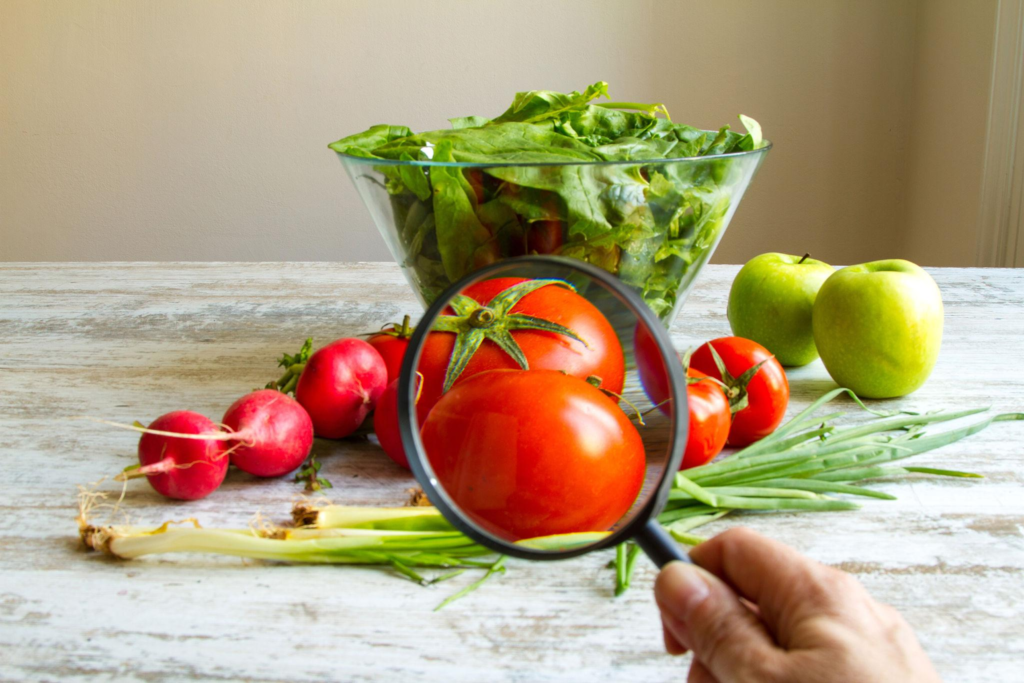
Fruits and vegetables can be affected by unwanted chemicals or contaminants during farming, processing, transportation, and storage.
Some concerns may involve the use of substances that are not permitted or are used incorrectly.
This does not mean that all fruits and vegetables are unsafe. Fresh produce is an important part of a healthy diet. Washing produce well under running water and buying from reliable sources are simple steps that can help reduce exposure to dirt and some surface residues.
6. Pulses and Grains
Pulses and grains can sometimes contain foreign materials, such as stones, dirt, insects, or other unwanted materials.
In some cases, pulses or other foods may also be mixed with materials that make them look similar to the original product.
Sort and clean grains and pulses before cooking, and store them in clean, dry containers.
7. Tea and Coffee
Tea and coffee may sometimes contain unwanted foreign materials or added substances.
Since these products are often processed and packaged, it can be difficult to identify adulteration through appearance alone.
Buying from trusted sources and checking the label can help you make a better choice.
Food Adulteration vs Food Contamination
Food adulteration and food contamination are related but are not exactly the same.
Food adulteration usually refers to a food being changed by adding, removing, or mixing substances in a way that affects its quality, value, or safety.
Food contamination happens when harmful or unwanted substances such as bacteria, chemicals, dirt, or foreign materials enter food.
For example, adding a cheaper substance to increase the quantity of a food can be adulteration. Bacteria entering food because of poor hygiene is a form of contamination.
Both can affect food safety, which is why proper food handling and storage are important.
Can You Detect Food Adulteration at Home?
Some simple checks may help you notice unusual changes in food, but home tests cannot always confirm whether a food is adulterated.
For example, you may notice:
- An unusual color
- A strange smell
- An unexpected texture
- Foreign particles
- Damaged or leaking packaging
- A product that looks very different from what you normally buy
However, these signs do not prove that a food is adulterated.
Some online methods, such as putting honey in water or using simple color tests for spices, are often presented as ways to check food purity. These tests should not be treated as reliable proof.
Laboratory testing is needed to accurately identify many types of food adulteration.
If you strongly suspect that a packaged food is unsafe or adulterated, keep the packaging and product details instead of relying only on a home test.
How to Prevent Food Adulteration and Choose Safer Food
You cannot control every step of the food supply chain, but you can take some simple steps to reduce your risk.
1. Buy From Reliable Sources
Choose trusted stores, manufacturers, and food sellers whenever possible.
2. Check the Label
Look at the ingredients, manufacturing details, expiration date, storage instructions, and other information on the package.
3. Check the Packaging
Do not buy products with broken seals, damaged packaging, leaks, or unusual changes in appearance.
4. Be Careful With Very Cheap Products
A very low price does not automatically mean a product is adulterated, but an unusually cheap product may deserve closer attention.
5. Wash Fresh Produce
Wash fruits and vegetables properly under clean running water before eating or cooking them.
6. Store Food Properly
Keep grains, pulses, spices, and other dry foods in clean, dry, airtight containers. Proper storage can help prevent insects, moisture, and other contamination.
7. Buy Whole Foods When Practical
Whole spices and grains may sometimes be easier to inspect than highly processed or powdered products. However, this does not guarantee that they are free from adulteration.
8. Report Serious Concerns
If you believe a food product is unsafe or does not meet food safety standards, you can report the concern through the appropriate food safety authorities.
Food Adulteration Laws and Food Safety in India
Food safety in India is regulated under the Food Safety and Standards Act, 2006, with the Food Safety and Standards Authority of India (FSSAI) playing a central role in setting food safety standards and regulating food products.
Food businesses are expected to follow food safety requirements related to the production, storage, distribution, sale, and handling of food.
Consumers can also check food labels and report concerns about food products through the appropriate food safety channels.
The older Prevention of Food Adulteration Act, 1954 is mainly of historical importance because India’s food safety framework was later consolidated under the Food Safety and Standards Act, 2006.
Common Food Adulteration Examples at a Glance
| Food | What to watch for |
|---|---|
| Milk | Water, starch, or unsuitable substances |
| Turmeric powder | Fillers or non-permitted colors |
| Chili powder | Fillers or non-permitted colors |
| Black pepper | Other seeds or substitutes |
| Honey | Sugar-based syrups |
| Edible oil | Mixing with other oils or unsuitable substances |
| Pulses | Foreign materials or added colors |
| Grains | Stones, dirt, insects, or other foreign materials |
| Tea | Foreign materials or added colors |
This table is meant as a quick reference. The presence of an unusual ingredient or substance should be confirmed through proper testing rather than appearance alone.
Here is something that is not talked about enough.
Making Safer Food Choices
Food adulteration can sound worrying, but you do not need to avoid everyday foods because of it.
A few simple habits can make a difference. Buy food from reliable sources, check labels and packaging, wash fresh produce, store food properly, and pay attention to unusual changes in color, smell, or texture.
Most importantly, remember that you cannot always identify adulteration by looking at or testing food at home. When there is a serious concern, proper food testing and reporting are more reliable than guessing.
If you want to better understand your daily nutrition and build healthier eating habits, working with a best dietician in Mumbai can help you create a balanced approach based on your individual needs.
Frequently Asked Questions
What is food adulteration?
Food adulteration is the addition, removal, or mixing of substances in food in a way that affects its quality, value, or safety.
What is the meaning of food adulteration?
The meaning of food adulteration is the process of changing food by adding unwanted, cheaper, or unsuitable substances or by removing important components from the food.
What are the main types of food adulteration?
Food adulteration can include intentional adulteration, incidental adulteration, and metallic contamination.
What are some common examples of food adulteration in India?
Common examples may include adding water or other substances to milk, fillers or non-permitted colors to spices, sugar-based syrups to honey, and foreign materials to grains and pulses.
Which foods are commonly adulterated?
Foods such as milk, spices, edible oils, honey, pulses, grains, tea, and other processed foods may be affected by adulteration or contamination.
What are the health effects of food adulteration?
The effects depend on the substance involved, the amount present, and the level and duration of exposure. Some adulterated foods may have lower nutritional quality, while certain harmful substances can create health risks.
Can food adulteration be detected at home?
Some simple observations may raise suspicion, but home tests cannot reliably confirm every type of adulteration. Laboratory testing may be needed for accurate results.
How can I prevent food adulteration?
Buy food from reliable sources, check labels and packaging, avoid damaged products, wash fresh produce, store food correctly, and report serious food safety concerns.
Is food adulteration illegal in India?
Food products in India are regulated under the Food Safety and Standards Act, 2006, and applicable food safety standards. Food businesses must follow these requirements to ensure that food sold to consumers meets safety and quality standards.
Written by Dt. Richa Doshi | Certified Dietitian & Nutritionist | The Health Studio