Introduction: Why Weight Loss Feels Difficult With PCOS
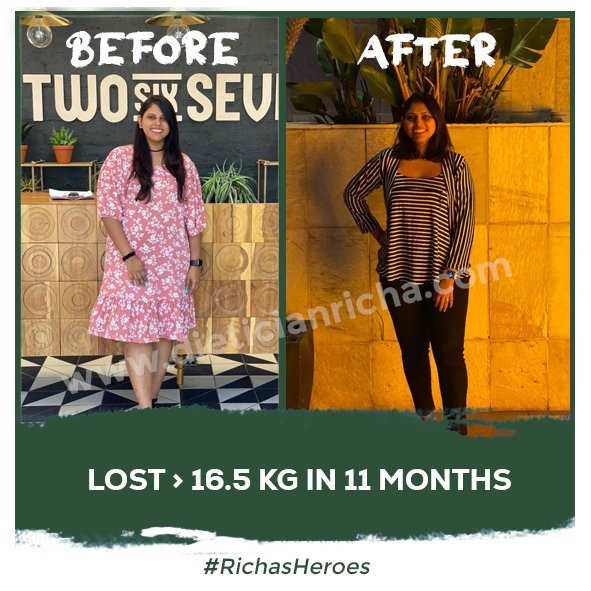
Losing weight with Polycystic Ovary Syndrome (PCOS) can feel frustrating and exhausting. Many women follow strict diets and intense workouts, yet see little progress. The reason lies in hormonal imbalance, insulin resistance, and inflammation—common challenges associated with PCOS. A well-structured PCOS Diet Plan Chart for Weight Loss focuses on healing the body rather than forcing results, making weight loss more sustainable and less stressful.
Understanding the Role of Nutrition in PCOS
Nutrition plays a crucial role in managing PCOS symptoms. Hormonal imbalances affect how the body processes carbohydrates, stores fat, and regulates hunger hormones. A thoughtful PCOS nutrition plan supports blood sugar balance, reduces inflammation, and improves insulin sensitivity. When nutrition is aligned with hormonal needs, weight loss becomes a natural outcome rather than a constant struggle.
Why a PCOS Diet Plan Chart Works Better Than Crash Diets
Crash diets often worsen PCOS symptoms by increasing stress hormones and slowing metabolism. In contrast, a PCOS Diet Plan Chart for Weight Loss provides structure, consistency, and nourishment. It ensures regular meals, balanced nutrients, and stable energy levels throughout the day. This approach reduces cravings, emotional eating, and extreme hunger—key factors that often derail weight loss efforts in PCOS.
Key Principles of a PCOS Weight Loss Diet
A successful PCOS weight loss diet focuses on low-glycemic, high-fiber foods that prevent blood sugar spikes. Protein is essential for improving insulin sensitivity and keeping you full for longer periods. Healthy fats support hormone production and reduce inflammation, while complex carbohydrates provide sustained energy. Together, these elements create a strong foundation for a hormone-friendly eating pattern.
Weight Loss Foods for PCOS That Support Hormone Balance
Choosing the right weight loss foods for PCOS can make a significant difference. Whole grains, legumes, vegetables, nuts, seeds, and lean proteins help stabilize blood sugar levels. Foods rich in antioxidants and omega-3 fatty acids support a natural hormone balance diet, reducing symptoms such as bloating, acne, and irregular cycles. Minimally processed foods allow the body to function efficiently without unnecessary strain.
Sample Structure of a PCOS Diet Plan Chart
A practical PCOS diet plan chart spreads nutrition evenly across the day. Starting the morning with a protein-rich breakfast supports metabolism and prevents mid-morning cravings. Balanced lunches that include fiber, protein, and healthy fats help maintain energy and focus. Light evening meals improve digestion and sleep quality. Regular meal timing trains the body to regulate hunger hormones more effectively, reducing stress around food choices.
The Importance of Stress-Free Eating in PCOS
Stress has a direct impact on PCOS-related weight gain. High cortisol levels worsen insulin resistance and encourage fat storage, especially around the abdomen. A well-designed PCOS nutrition plan promotes mindful, stress-free eating rather than restriction. Enjoying nourishing foods without guilt supports both mental health and hormonal balance, making weight loss more sustainable.
Foods to Limit in a PCOS Weight Loss Diet
Certain foods can worsen PCOS symptoms when consumed frequently. Highly processed foods, refined sugars, sugary beverages, and excessive caffeine can trigger insulin spikes and inflammation. A hormone balanced diet focuses on moderation rather than elimination, helping women maintain a healthy relationship with food while managing symptoms effectively.
Conclusion: Sustainable Weight Loss Starts With Balance
Weight loss with PCOS does not have to be stressful or extreme. A thoughtfully planned PCOS Diet Plan Chart for Weight Loss supports hormonal health, stabilizes blood sugar levels, and encourages gradual, sustainable results. By focusing on nutrient-dense weight loss foods for PCOS, following a balanced PCOS weight loss diet, and prioritizing a hormone balance diet, women can achieve long-term health without feeling deprived. True progress comes from consistency, balance, and nourishment—not pressure.