Have you ever noticed that after eating a heavy, oily meal you feel sluggish and irritable? Or that skipping lunch makes you snappy and anxious? That is not just you being dramatic. That is your brain reacting to what you ate — or simply did not eat.
The connection between food and mood is very real. And in India, where mental health is still not spoken about openly, most people never stop to think that what is on their plate could be affecting how they feel inside.
As a dietitian, I see this every single day. Clients come to me for weight loss or digestion issues, and as we talk, it becomes clear — their mood, their anxiety, their low energy — all have a strong nutrition angle to it.
This blog is a complete guide on how nutrition and mental health are connected, what you can eat to feel better, and how you can build a simple stress diet plan using Indian foods you already know and love.
First, Let’s Understand Why Food Affects Your Mood
Your brain never stops working. It controls your thoughts, emotions, sleep, breathing — everything. And to do all of this, it needs a constant supply of the right nutrients.
When you eat well, your brain gets what it needs to make the chemicals that keep you calm, happy, and focused. When you eat poorly — too much sugar, too little protein, skipping meals — your brain starts to struggle. And that struggle shows up as anxiety, irritability, brain fog, or even depression.
This is what scientists now call nutritional psychiatry — a growing field that studies how what you eat affects your mental health. And the research is very clear: diet plays a huge role in how we feel emotionally.
The Gut-Brain Connection: Your Second Brain
Here is something that surprises most people — your gut has more nerve cells than your spinal cord. Scientists actually call it the “second brain.”
Your gut and brain are in constant two-way communication through something called the gut-brain axis. This means what happens in your gut directly affects your brain, and vice versa.
About 90% of your body’s serotonin — the “feel good” chemical — is produced in your gut, not your brain. Serotonin controls your mood, sleep, and appetite. So if your gut is not healthy, your serotonin levels drop, and your mood takes a hit.
The health of your gut depends on something called the gut microbiome — the trillions of good and bad bacteria living in your intestines. When the good bacteria are thriving, your gut makes serotonin well, reduces inflammation, and helps control anxiety. When the bad bacteria take over — usually because of too much sugar, processed food, and stress — your gut microbiome mental health takes a serious toll.
In Indian cities today, changing food habits, reliance on packaged food, and high stress levels are disturbing the gut balance of millions of people. If you have been struggling with bloating, irregular digestion, or low energy alongside your mood issues, it is worth exploring your gut health with a professional.
What helps your gut bacteria?
- Fermented foods like curd (dahi), kanji, and homemade pickles
- Fiber-rich foods like sabzi, dal, and whole grains
- Prebiotic foods like onion, garlic, and banana
Blood Sugar and Mood: The Rollercoaster You Did Not Sign Up For
One of the most common — and most ignored — reasons for mood swings in India is unstable blood sugar.
When you eat white rice, maida, sugary chai, or biscuits, your blood sugar spikes fast. Your body releases insulin to bring it down. And it often brings it down too fast. The result? You feel anxious, shaky, irritable, and mentally foggy. This is what is called blood sugar mood swings.
Many people chase that spike again with more sugar or chai — and the cycle continues all day. By evening, they are exhausted, cranky, and wonder why they feel so low.
How to fix blood sugar mood swings:
- Always pair carbohydrates with protein or healthy fat (e.g., rice with dal and ghee, not just plain rice)
- Avoid skipping meals — eat every 3 to 4 hours
- Start your morning with a protein-rich breakfast, not just chai and toast
- Choose whole grains like jowar, bajra, and ragi over maida and white rice
Stable blood sugar equals a stable mood. It really is that simple. And for those who have been told their blood sugar is “borderline” or already managing diabetes, the impact of food on mood becomes even more significant — something our diabetes care programme specifically addresses.
Key Nutrients That Directly Affect Your Mental Health
1. Omega-3 Fatty Acids — The Brain’s Best Friend
Your brain is made up of nearly 60% fat, and a large portion of that is omega-3 fatty acids. These fats help your brain cells communicate better, reduce inflammation in the brain, and support the production of mood-regulating chemicals.
Studies have shown that low omega-3 levels are strongly linked to depression and anxiety. This is why omega-3 for depression has become one of the most researched areas in nutritional psychiatry.
Best Indian sources of omega-3:
- Flaxseeds (alsi) — add to atta, smoothies, or curd
- Walnuts (akhrot) — a small handful daily
- Fish like rohu, katla, and hilsa (for non-vegetarians)
- Chia seeds — easy to add to water or dahi
2. Magnesium — Nature’s Chill Pill
Magnesium is called the “relaxation mineral” for a reason. It helps calm the nervous system, regulate the stress hormone cortisol, and improve sleep quality. Low magnesium is strongly linked to anxiety and stress.
The problem is, most Indians are not getting enough magnesium. Processed food, excess sugar, and high stress all deplete magnesium from the body. This makes magnesium for stress relief a very important topic in our current lifestyle.
Best Indian sources of magnesium:
- Dark leafy greens — palak, methi, sarson
- Pumpkin seeds (kaddu ke beej)
- Rajma and black beans
- Dark chocolate (70% or more — yes, this counts!)
- Banana and avocado
3. Vitamin B12 — The Mood-Brain Vitamin
The vitamin B12 mood brain connection is one of the most underdiagnosed issues in India, especially among vegetarians and vegans.
B12 is essential for making neurotransmitters and maintaining the protective covering of your nerves. When B12 is low, you may feel depressed, mentally foggy, fatigued, and emotionally low — even if you cannot explain why.
In India, B12 deficiency is extremely common and it often goes undetected because the symptoms are gradual and easy to ignore.
Best sources of B12:
- Dairy products — milk, paneer, curd
- Eggs
- Fish and chicken (for non-vegetarians)
- Fortified foods and B12 supplements (very important for strict vegetarians)
If you feel consistently tired and low without a clear reason, please get your B12 tested. It is a simple blood test that can change everything.
4. Vitamin D — The Sunshine Vitamin That Affects Your Mind
India is a sunny country, yet Vitamin D deficiency is rampant here — especially in women and people who work indoors all day.
Vitamin D deficiency depression is a well-established connection. Low Vitamin D is linked to low mood, poor motivation, and even seasonal depression. Vitamin D receptors are found all over your brain, and this vitamin helps regulate serotonin production.
Interestingly, Vitamin D deficiency is also closely tied to hormonal imbalances — including those seen in PCOS and thyroid disorders. If you are dealing with mood issues alongside irregular cycles or fatigue, your hormones and your nutrition may both need attention. Our hormonal imbalance care programme takes a deeper look at this connection.
How to improve Vitamin D:
- Get 15 to 20 minutes of direct sunlight daily (morning sun between 8 to 10 AM is best)
- Eat eggs, fatty fish, and fortified milk
- Get your Vitamin D blood levels tested regularly
5. Serotonin-Boosting Foods — Eat Your Way to Happiness
Serotonin is your brain’s mood regulator. Low serotonin is linked to depression, anxiety, poor sleep, and irritability. While serotonin itself cannot be eaten directly, its building block — an amino acid called tryptophan — can be. Your body converts tryptophan into serotonin.
Best serotonin-boosting foods available in India:
- Banana — also rich in B6, which helps convert tryptophan to serotonin
- Eggs — one of the richest tryptophan sources
- Milk and paneer
- Sesame seeds (til) and sunflower seeds
- Oats and whole grains
- Dates and figs (khajoor and anjeer)
- Turkey and chicken (for non-vegetarians)
Including these serotonin-boosting foods regularly in your daily diet can make a real and measurable difference in how you feel day to day.
6. Dopamine Diet Foods — Motivation and Pleasure on Your Plate
Dopamine is the brain chemical responsible for motivation, pleasure, focus, and reward. When dopamine is low, you feel unmotivated, find no joy in things you used to enjoy, and struggle to concentrate.
Dopamine diet foods are rich in tyrosine — an amino acid the brain uses to make dopamine.
Best dopamine-supporting foods:
- Almonds and cashews
- Banana
- Dark chocolate
- Dal and legumes
- Beetroot (chukandar)
- Green tea
Combining these foods with regular physical activity — which also boosts dopamine naturally — can significantly improve your motivation and mood over time.
Emotional Eating: When Food Becomes a Coping Mechanism
Let us talk about something that does not get enough attention — emotional eating habits.
Many people in India eat not because they are hungry, but because they are stressed, bored, lonely, or anxious. This is emotional eating — using food to manage feelings rather than true hunger.
The problem is, emotional eating usually involves comfort foods that are high in sugar, fat, and salt. These give a short burst of pleasure but lead to guilt, bloating, and worsening mood shortly after.
Signs you might be an emotional eater:
- You reach for food when stressed or upset, not when you are hungry
- You crave specific comfort foods like chips, sweets, or fried snacks when your mood is low
- You eat quickly and mindlessly, often not really tasting the food
- You feel guilty or heavy after eating, both physically and emotionally
Breaking emotional eating habits takes time and awareness. It starts with noticing when and why you are reaching for food. Regular meals, better sleep, and mindful eating can all help reduce the pattern. This cycle is also seen frequently in women with PCOS, where stress, hormones, and cravings create a difficult loop — something addressed in our PCOS care programme.
Anti-Anxiety Foods India: What to Eat When You Are Feeling Stressed
India has a rich tradition of food as medicine. Many of our traditional foods are actually powerful anti-anxiety foods. We just forgot about them in the rush toward packaged, processed convenience.
Here are some powerful anti-anxiety foods India already has in its kitchens:
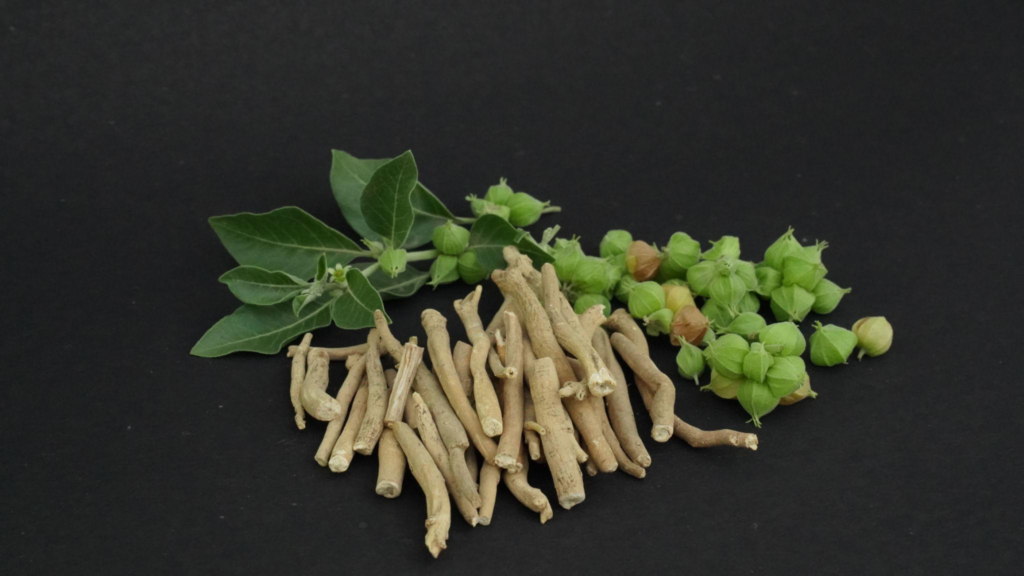
Ashwagandha — An adaptogen herb used in Ayurveda for centuries. It helps reduce cortisol (the stress hormone) and calm the nervous system. Available as a supplement or powder to mix in warm milk.
Brahmi — Another Ayurvedic herb known for improving memory, reducing anxiety, and calming the mind. Often used in herbal teas.
Turmeric (Haldi) — Curcumin in turmeric has powerful anti-inflammatory effects on the brain. Chronic inflammation is linked to depression. Haldi doodh (turmeric milk or golden milk) at night is a genuinely beneficial habit.
Curd (Dahi) — A natural probiotic that supports gut health and, therefore, serotonin production. Have a bowl of plain, homemade curd with every meal.
Jeera (Cumin) — Helps with digestion and has calming properties on the gut.
Ajwain water — Traditionally used for stomach issues, but also soothing for an anxious gut.
These foods are not magic pills. But when eaten consistently as part of a balanced diet, they genuinely support your mental wellness.
A Simple Indian Stress Diet Plan
Here is a practical stress diet plan Indian style — using everyday foods, no expensive superfoods needed.
Morning (7 to 8 AM)
- Start with a glass of warm water with lemon
- Breakfast: Moong dal cheela with mint chutney + a small bowl of curd
- Or: 2 boiled eggs + whole wheat toast + banana
Mid-Morning (10 to 11 AM)
- A small handful of walnuts and almonds
- Or: A banana
Lunch (1 to 2 PM)
- 1 to 2 chapati (multigrain or jowar) + sabzi + dal + curd
- A small salad with cucumber, tomato, and lemon
- Never eat only plain rice — always pair it with dal and a vegetable
Evening (4 to 5 PM)
- Haldi doodh (turmeric milk) — warm and without sugar
- Or: Green tea + a few dates
- Avoid biscuits, namkeen, and sweet chai here
Dinner (7 to 8 PM)
- Keep it light — khichdi with ghee, or roti + sabzi + soup
- Include a small portion of protein every night
- Finish dinner at least 2 hours before bed
Before Bed
- Warm milk with a pinch of nutmeg (jaiphal) — helps sleep and calms the nervous system
This plan is simple, accessible, and built around nutrition and mental health principles grounded in both Indian tradition and modern science.
What to Avoid When You Are Feeling Anxious or Low
Just as important as what you eat is what you avoid. These are the biggest dietary culprits for poor mental health:
Refined sugar — causes blood sugar spikes and crashes, increases inflammation, and depletes B vitamins. Limit mithai, cold drinks, packaged juices, and sweet biscuits.
Too much caffeine — chai and coffee in moderation are fine. But 4 to 5 cups a day can worsen anxiety, disturb sleep, and make you feel jittery and wired.
Alcohol — widely used as a stress reliever, but actually a depressant that worsens anxiety and depletes B vitamins and magnesium.
Ultra-processed food — instant noodles, chips, packaged snacks, ready-to-eat meals. These are stripped of nutrients and full of additives that harm gut health.
Skipping meals — one of the most damaging habits for mental health. Low blood sugar from skipping meals triggers cortisol release, which directly worsens anxiety and mood.
Your Skin, Hair, and Mood Are More Connected Than You Think

One thing that often gets overlooked is that the same nutritional deficiencies that impact your mood — low B12, Vitamin D, omega-3, and zinc — also show up on your skin and hair.
If you have been noticing dull skin, hair fall, or brittle nails alongside low mood, your body may be trying to tell you something. These are not separate problems — they often have the same nutritional root. Our skin and hair nutrition programme looks at exactly this connection.
When to See a Professional
Food is powerful. But it is not a replacement for professional mental health care.
If you are experiencing persistent depression, severe anxiety, panic attacks, or thoughts of self-harm, please reach out to a mental health professional immediately. A dietitian can work alongside your doctor or therapist to support your recovery through nutrition.
If you feel your energy, mood, digestion, or eating patterns need a closer look, book a consultation with Dt. Richa Doshi and get a plan built around what your body actually needs — not a generic chart.
Final Thoughts
Your mood is not just in your head. A lot of it is in your gut, your bloodstream, and on your plate.
The good news is that food is something you have real control over. Every meal is a chance to nourish not just your body, but your mind.
You do not need to overhaul your entire life overnight. Start small. Add a handful of walnuts to your morning. Swap one cup of chai for warm haldi doodh. Add more curd and dal to your meals. Get your B12 and Vitamin D checked.
Small, consistent changes in what you eat can lead to real, lasting changes in how you feel.
Nutrition and mental health go hand in hand — and now you have the knowledge to make them work together for you.