When you’re trying to conceive or simply want to take better care of your reproductive health, your plate is one of the most powerful places to start.
Yes, really.
The food you eat every single day can either support or quietly work against your hormones, your egg quality, your cycle, and your chances of conception. And the good news? You don’t need complicated supplements or expensive protocols to begin. A well-thought-out female reproductive health diet can do more than most people realise.
In this blog, I want to walk you through exactly what to eat, what to avoid, and how to build a real, practical preconception nutrition plan — as a dietitian, and as someone who works with women on this every day.
Let’s start from the beginning.
Why Does Diet Even Matter for Fertility?
Your reproductive system doesn’t work in isolation. It’s deeply connected to your hormones, your gut, your thyroid, your blood sugar, and your body’s ability to reduce inflammation.
All of these are influenced by food.
When you eat in a way that supports hormonal balance, reduces oxidative stress, and provides your body with the right micronutrients, you’re creating the right internal environment for conception.
Research consistently shows that women who follow a nutrient-rich diet have better ovarian function, more regular cycles, and improved egg quality compared to those with poor dietary patterns.
And if you’re dealing with a condition like hormonal imbalance, your diet becomes even more important — because what you eat directly affects how your hormones behave.
So, if you’re asking “can food really make a difference for fertility?” — the answer is a clear, evidence-backed yes.
The Key Nutrients for Female Fertility (And Where to Find Them)
1. Folate — The Non-Negotiable Fertility Nutrient
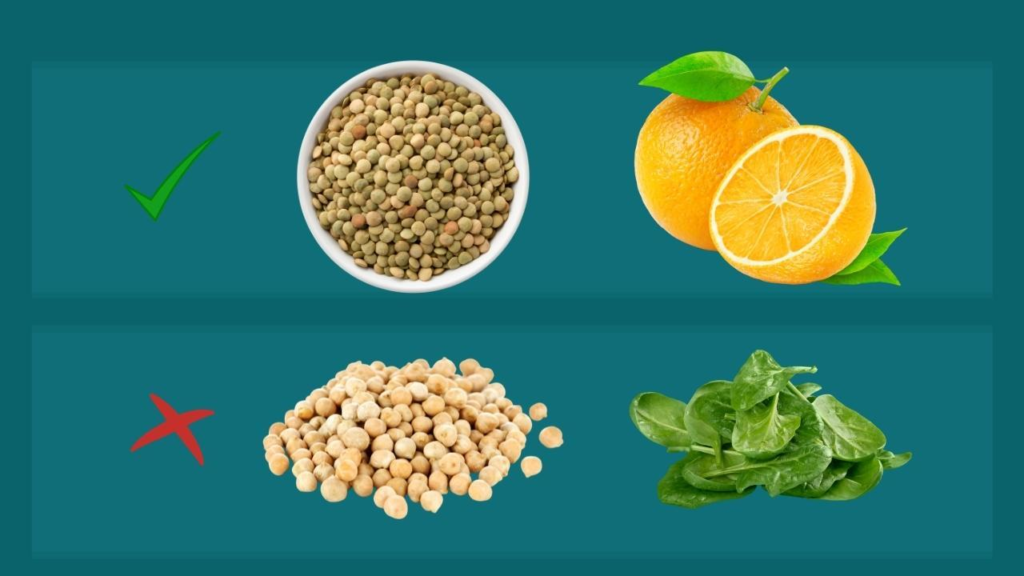
If there’s one nutrient that shows up in every fertility conversation, it’s folate.
Folate-rich foods are essential not just during pregnancy but in the months leading up to conception. Folate helps with DNA synthesis, cell division, and the healthy development of the neural tube — even before you know you’re pregnant.
Best sources of folate:
- Spinach, methi (fenugreek leaves), and palak
- Lentils (masoor, moong, chana dal)
- Chickpeas and rajma
- Beetroot
- Asparagus and broccoli
- Fortified cereals
Aim to include at least one folate-rich food in every meal. And if you’re in your preconception window, speak to your dietitian about whether a methylfolate supplement makes sense for you.
2. Iron — For Your Periods, Your Blood, and Your Fertility
Low iron isn’t just about tiredness. It can affect ovulation and make periods heavier and more painful.
Iron-rich foods for periods and fertility include:
- Dark leafy greens like palak and methi
- Jaggery (in moderation)
- Sesame seeds (til)
- Rajma, chana, and lentils
- Ragi (finger millet)
- Liver (if you eat non-veg)
- Pomegranate
One important tip: pair your iron-rich foods with Vitamin C sources (like amla, lemon, or tomatoes) to improve absorption. And avoid drinking tea or coffee right after iron-rich meals — it reduces absorption significantly.
If you’ve been feeling constantly tired, have heavy periods, or have been told your hemoglobin is low, it’s worth looking at your iron levels as part of a broader fertility care plan.
3. Omega-3 Fatty Acids — For Egg Quality and Hormone Balance
Omega-3 for female fertility is one of the most studied areas in reproductive nutrition.
These healthy fats help regulate the hormones involved in ovulation, reduce inflammation in the reproductive tract, and support better egg quality. They also support the lining of the uterus, making it more receptive to implantation.
Best food sources of omega-3:
- Walnuts (akhrot) — the most accessible plant-based source in India
- Flaxseeds (alsi) — ground form is better absorbed
- Chia seeds
- Fatty fish like salmon, sardines, and mackerel (if you eat non-veg)
- Hemp seeds
Add a small handful of walnuts or a tablespoon of ground flaxseed to your daily routine and you’ll notice a difference over time.
4. Antioxidants — Protecting Your Eggs from Damage
Eggs (oocytes) are incredibly vulnerable to oxidative stress. Every day, your body generates free radicals through normal metabolism, pollution, stress, and processed food. If these aren’t neutralised, they can damage egg DNA and reduce egg quality.
This is where antioxidants and egg quality come together.
Key antioxidants for fertility include:
- Vitamin C — amla, guava, lemon, capsicum
- Vitamin E — almonds, sunflower seeds, avocado
- Coenzyme Q10 — found in small amounts in fish and meat; supplement if needed
- Selenium — Brazil nuts, sunflower seeds, eggs
- Beta-carotene — carrots, sweet potato, mango
Eating a rainbow of vegetables and fruits daily is one of the simplest ways to load up on antioxidants. The more colour on your plate, the better.
Antioxidants also play a big role in healthy skin and hair nutrition — so when you eat for fertility, you’re often eating for overall health too.
5. Zinc — Often Overlooked, Deeply Important
Zinc for reproductive health in women is something that doesn’t get nearly enough attention.
Zinc is involved in ovulation, fertilisation, and the early development of the embryo. Low zinc levels are linked to hormonal imbalances, poor egg quality, and disrupted cycles.
Zinc-rich foods:
- Pumpkin seeds (kaddu ke beej)
- Sesame seeds and tahini
- Chickpeas and lentils
- Cashews
- Eggs and dairy
- Whole grains like jowar and bajra
A small handful of pumpkin seeds as a mid-morning snack is one of the easiest ways to get more zinc into your day.
6. Vitamin D — The Fertility Vitamin Nobody Talks About Enough
Despite living in a sunny country, Vitamin D deficiency is extremely common in Indian women — especially those who spend most of the day indoors.
Research shows that low Vitamin D levels are linked to irregular ovulation, reduced IVF success rates, and polycystic ovarian syndrome (PCOS).
Sources of Vitamin D:
- Sunlight (20–30 minutes of direct exposure, ideally before 10 am)
- Egg yolks
- Fortified milk and cereals
- Fatty fish (salmon, tuna)
- Mushrooms exposed to sunlight
Most women trying to conceive in India benefit from supplementation — but get your levels tested first before you start any supplement. This is something a fertility nutritionist can help you assess as part of your personalised plan.
7. Hormone Balancing Foods — Eating for Your Endocrine System
Your hormones don’t just magically regulate themselves. They depend on a steady supply of the right raw materials — nutrients, fats, and fibre.
The best hormone balancing foods include:
- Healthy fats — ghee (in moderation), coconut oil, olive oil, avocado, nuts, and seeds. These are essential for producing reproductive hormones.
- Cruciferous vegetables — broccoli, cauliflower, cabbage, kale. These contain a compound called DIM (Diindylmethane) that helps the liver process excess oestrogen.
- Flaxseeds — contain lignans that gently modulate oestrogen levels.
- Whole grains — jowar, bajra, ragi, brown rice, and oats keep blood sugar stable and prevent insulin spikes that can throw off hormonal balance.
- Fermented foods — curd (dahi), kanji, idli, dosa. A healthy gut is essential for proper hormone metabolism.
Hormonal imbalances often affect fertility directly. If your cycles are irregular or you’re experiencing unexplained symptoms, it might be worth exploring a dedicated hormonal imbalance plan alongside your fertility nutrition.
Ovarian Health Nutrition: What Your Ovaries Need Daily
Your ovaries are responsible for producing eggs and releasing them at the right time each cycle. To function optimally, they need consistent ovarian health nutrition every day — not just when you’re actively trying to conceive.
What supports ovarian function:
- Adequate calorie intake — extreme restriction or crash diets can shut down ovulation. This is also why sustainable weight management matters more than crash dieting when you’re trying to conceive.
- Sufficient protein — both plant and animal sources. Lentils, eggs, paneer, tofu, and fish all support ovarian function.
- B vitamins — especially B6 and B12, which regulate hormonal signalling. Found in eggs, poultry, dairy, and legumes.
- Magnesium — found in dark chocolate, nuts, seeds, and leafy greens. Helps regulate the menstrual cycle and reduces period pain.
- Low sugar intake — high sugar diets cause insulin spikes that directly disrupt ovarian hormones.
The Mediterranean Diet and Fertility
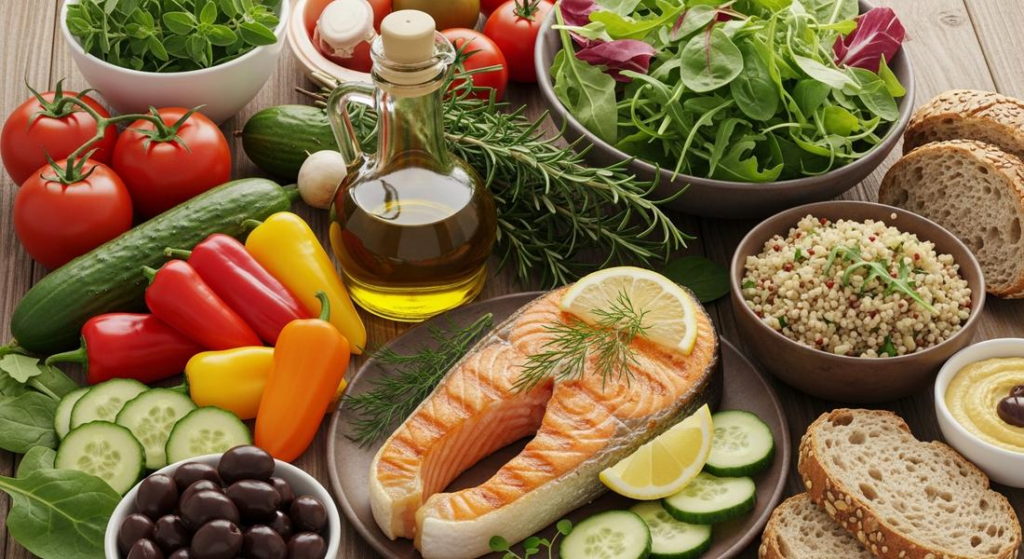
One dietary pattern that research consistently supports for fertility is the Mediterranean diet.
The Mediterranean diet fertility connection is well-established: women who follow this pattern have better ovarian reserve, improved hormone profiles, and higher IVF success rates.
What does it look like in an Indian context?
- Plenty of vegetables and fruits (at least 5 servings daily)
- Whole grains over refined grains
- Legumes and pulses as protein staples
- Olive oil or cold-pressed oils as primary fats
- Nuts and seeds daily
- Fish 2–3 times a week (if non-vegetarian)
- Minimal red meat, processed food, and sugar
- Dairy in moderate amounts
The good news is that traditional Indian cooking — when prepared at home without excessive oil, sugar, or maida — is already very close to this pattern. Your dal-sabzi-roti meal is more fertility-friendly than you think.
PCOS and Fertility: A Special Note for Indian Women
PCOS fertility diet India is a topic I get asked about constantly — and rightly so, because PCOS affects 1 in 5 Indian women.
PCOS disrupts ovulation due to insulin resistance, elevated androgens, and chronic low-grade inflammation. The dietary approach for PCOS needs to address all three.
If you’re dealing with PCOS, know that diet is one of the most powerful tools you have. A well-structured PCOS diet plan can help restore ovulation, regulate your cycle, and improve your chances of conception significantly.
Key dietary strategies for PCOS and fertility:
- Lower your glycaemic load — swap white rice and maida for millets, oats, and whole wheat. Eat carbs with protein and fibre always.
- Increase anti-inflammatory foods — turmeric, ginger, leafy greens, berries, and fatty fish.
- Don’t skip meals — irregular eating worsens insulin resistance.
- Include inositol-rich foods — dal, citrus fruits, whole grains. Inositol is a natural insulin sensitiser.
- Reduce dairy if inflammatory — some women with PCOS find that reducing conventional dairy helps with acne and hormonal balance.
- Focus on protein at every meal — it keeps blood sugar stable and reduces androgen levels.
PCOS doesn’t mean you can’t conceive. With the right diet and lifestyle, many women with PCOS go on to have healthy pregnancies.
Foods to Avoid for Fertility
Just as important as what you eat is what you should reduce or remove from your diet when trying to conceive.
Foods to avoid for fertility:
- Trans fats — found in biscuits, namkeen, deep fried street food, and packaged snacks. Trans fats disrupt ovulation and increase inflammation.
- High sugar foods and drinks — cold drinks, packaged juices, mithai consumed daily. These spike insulin and disturb hormonal balance.
- Refined carbohydrates — white bread, maida, instant noodles. They have little nutritional value and raise blood sugar rapidly.
- Excess soy — while moderate soy is fine, excess soy products (especially processed ones) may affect oestrogen levels in sensitive individuals.
- Alcohol — even moderate alcohol consumption affects egg quality and hormonal signalling.
- Excess caffeine — more than 200 mg a day (roughly 2 cups of coffee) has been linked to reduced fertility. Switch to herbal teas or limit to 1 cup.
- Highly processed meats — sausages, deli meats, salami — these contain nitrates and additives that are not fertility-friendly.
- Plastics and packaged food — BPA from plastic containers leaches into food and disrupts hormones. Avoid heating food in plastic.
Poor gut health can also silently affect hormone metabolism and inflammation. If you experience bloating, irregular digestion, or food sensitivities, working on your gut health alongside fertility nutrition can make a real difference.
A Simple Preconception Nutrition Plan: What a Day Could Look Like
Here’s a sample preconception nutrition plan that puts all of the above into practice:
Morning (7–8 AM)
Warm water with lemon + soaked almonds and walnuts (5 each)
Breakfast (8:30–9 AM)
Vegetable oats upma with a boiled egg OR moong dal chilla with curd + a small bowl of seasonal fruit (guava, papaya, or pomegranate)
Mid-morning (11 AM)
A small handful of pumpkin seeds + 1 small fruit OR amla candy (for Vitamin C)
Lunch (1–2 PM)
2 rotis of jowar or whole wheat + 1 bowl of dal (moong or masoor) + seasonal sabzi with ghee + salad with lemon dressing + curd
Evening Snack (4–5 PM)
A small bowl of sprouts OR roasted chana with cucumber sticks + 1 cup of herbal tea (chamomile or peppermint)
Dinner (7–8 PM)
Brown rice or bajra roti + sabzi with palak or methi + a bowl of dal or rajma + salad
Before Bed (optional)
1 small glass of warm turmeric milk (haldi doodh)
This is a general starting point. Every woman’s nutritional needs are different — especially when thyroid function, blood sugar, or gut health are involved. A personalised nutrition consultation can help you build a plan that’s specific to your body, your health history, and your goals.
Planning for Pregnancy? Don’t Forget Pre & Post Pregnancy Nutrition
Fertility nutrition doesn’t stop at conception. What you eat in the weeks and months before pregnancy — and during — is equally important. If you’re already pregnant or planning to be soon, a structured pre and post pregnancy nutrition plan ensures both you and your baby get everything you need at every stage.
Quick Tips to Remember
- Stay hydrated — aim for 8–10 glasses of water daily. Dehydration affects cervical mucus quality.
- Maintain a healthy body weight — being underweight or overweight both affect ovulation.
- Manage stress — chronic stress elevates cortisol, which suppresses reproductive hormones.
- Move your body — gentle movement like walking, yoga, or swimming improves insulin sensitivity and hormonal balance.
- Cook at home as often as possible — you control the oil, the ingredients, and the quality.
When to See a Dietitian for Fertility Support
Every woman’s body is different. What works for one person may not work for another — especially when conditions like PCOS, hypothyroidism, endometriosis, or irregular cycles are involved.
If you’ve been trying to conceive for a few months without success, or if you want to give your body the best possible nutritional foundation before trying, working with a fertility nutritionist in Mumbai can make a real difference.
A personalised nutrition plan takes into account your blood reports, your health history, your food preferences, and your lifestyle — not a generic chart.
Final Thoughts
Fertility is not just about timing. It’s about building a body that’s truly ready — hormonally balanced, nutritionally supported, and inflammation-free.
The foods you eat today are shaping the eggs that may become your future child. That’s not scary — it’s empowering.
Start small. Add a handful of walnuts. Switch one refined carb for a millet. Eat more colour. Drink more water. These small shifts, done consistently, add up to something powerful.
Your body is capable of incredible things. Give it the right fuel.